
Smoking Tea: Does It Really Work? Healthy or Not?
Weed Wissen
The question of whether you can smoke tea sounds unusual to many, yet it keeps coming up, whether out of curiosity, in search of a tobacco substitute or as a nicotine-free addition to cannabis. And yes, the short answer is: you can smoke tea. But hold on! Before you reach for the nearest tea bag, an honest and critical look is essential. Because even though tea is nicotine-free, it is not healthy to smoke and carries its own, often underestimated health risks. This in-depth article gives you all the facts you really need, from the hidden dangers and suitable varieties to far better alternatives that go easier on your lungs. Let's shed some light on the subject together and clear up a few myths.
- The big misconception: nicotine-free doesn't mean risk-free! What smoking tea puts into your lungs
- Why smoke tea at all? From curiosity to quitting
- Nicotine in detail: why tobacco is so dangerous (and tea only less harmful)
- Which tea can you smoke? Base herbs, aromas and the quality check
- Here's how: smoking tea, practical preparation and lower-risk alternatives
- The "tea high": does smoking tea get you high? Between a caffeine kick and a real buzz
- Smoking tea as a quit-smoking strategy? A critical look and our alternatives
- Our verdict: smoking tea, weighing up enjoyment and health awareness
- FAQ: your most common questions about smoking tea
The big misconception: nicotine-free doesn't mean risk-free! What smoking tea puts into your lungs
Many people think: if there's no nicotine in it, it can't be that bad. But that's a fallacy! This belief is not only widespread, it's dangerous. The reality is: any combustion of organic material, and tea is exactly that, releases a whole range of toxic and carcinogenic substances. Picture a small campfire: the smoke may look harmless, but it contains substances that definitely do your lungs no good.
💡 The key points in brief:
- ⚠️ Any combustion, including that of tea, produces harmful substances.
- ⚠️ Being nicotine-free doesn't mean it's harmless.
- ⚠️ Your lungs are burdened by toxic combustion products.
When you smoke tea, you don't just inhale "harmless herbal aroma" but a whole series of chemicals you should be aware of:
- Carbon monoxide (CO): this colourless, odourless and tasteless gas blocks the transport of oxygen in your blood. The consequences: oxygen deficiency in the tissue, headaches, dizziness, right up to serious damage.
- Polycyclic aromatic hydrocarbons (PAHs): a group of substances considered highly carcinogenic. They typically form during the incomplete combustion of organic material.
- Formaldehyde: a well-known irritant gas that damages the airways and is also carcinogenic.
- Nitrogen oxides: these gases can impair lung function and lead to inflammation.
- Benzene and phenolic compounds: these substances are also found among the combustion products and add to the overall health risks.
.jpg?ts=1770017451)
The health consequences of smoking tea are by no means to be underestimated. It can cause airway irritation, chronic inflammation of the bronchi and general damage to lung function. In the long run, the risk of chronic respiratory diseases and, yes, unfortunately also various types of cancer rises. The saying "the dose makes the poison" fits precisely here: even if the concentration of these substances may be lower than in a conventional cigarette, they are still present and have a negative effect on your health. So anyone who believes that smoking tea is healthy is gravely mistaken.
The underestimated danger: hot tea, smoking and the risk of oesophageal cancer
Here's a point that often gets completely overlooked but is especially relevant for smokers: the combination of hot tea and smoking can drastically increase the risk of oesophageal cancer.
How does that work? Very hot drinks, we're talking temperatures above 65°C, can directly damage the sensitive lining of your oesophagus. This thermal stress leads to microscopic injuries and inflammation. If you then also smoke, the harmful combustion products of the tea or tobacco come on top. These substances have an additional irritating and carcinogenic effect on the already damaged lining.
The alarming part is the statistics:
- ⚠️ Studies show that in smokers who regularly drink very hot tea, the risk of oesophageal cancer is doubled!
- ⚠️ It gets even more alarming when alcohol enters the picture: combining hot tea, regular alcohol consumption and smoking can increase the risk fivefold.
💡 Tip box: the 3 most important facts about smoking tea at a glance
- Smoking tea is not healthy, because burning it always produces harmful substances.
- It raises the risk of respiratory disease and can have a carcinogenic effect.
- Hot tea combined with smoking multiplies the risk of oesophageal cancer, so let your tea cool down first!
Why smoke tea at all? From curiosity to quitting
Now that we've clearly named the health risks, you might be wondering: why would anyone want to smoke tea in the first place? The motivations are varied and often quite understandable, even if the method isn't the best.
- Tobacco substitute and quitting: many people are looking for a way to stop smoking tobacco. The ritual of smoking, holding the cigarette, inhaling the smoke, is a powerful psychological habit. Tea as a nicotine-free tobacco substitute can seem like a way to keep this ritual without consuming nicotine.
- Combining with cannabis: in the cannabis community especially, there's a strong wish for a nicotine-free joint base. Instead of tobacco, many look for herbs that don't overpower the flavour of cannabis and don't add further addictive substances. This is where tea comes in, to bulk out the joint and enjoy it nicotine-free.
- A taste for experimenting: others are simply curious about new experiences, flavours and the question of what happens when you smoke tea. There's a fascination with alternative ways of consuming and the possible discovery of new sensations.
These reasons show that the interest in smoking tea often stems from a conscious wish for alternatives or less harmful options. Our goal is to point you towards the best, safest and most enjoyable solutions for exactly that.
Nicotine in detail: why tobacco is so dangerous (and tea only less harmful)
To truly understand the difference between tobacco and tea as smoking material, we need to take a closer look at the main player in tobacco: nicotine. Only then can you judge why the question is smoking tea harmful is relevant, but tobacco plays in a whole different league when it comes to the risks.
💡 The key points in brief:
- ⚠️ Nicotine is a highly potent nerve toxin and a strong addictive substance.
- ⚠️ It affects dopamine and acetylcholine, leading to a sense of well-being but also to cardiovascular problems.
- ⚠️ Tobacco contains many additives that intensify addiction and cause additional harm.
Nicotine is a nerve toxin found in the tobacco plant. When you smoke it, it reaches your brain within seconds and binds there to what are called acetylcholine receptors. This triggers the release of dopamine, the "happiness hormone", which creates a feeling of well-being and relaxation. At the same time, though, nicotine has serious effects on your body:
- Cardiovascular system: your blood pressure rises, your heartbeat speeds up. The blood vessels narrow, which in the long term dramatically increases the risk of heart disease, heart attack and stroke. Even a single cigarette a day can raise your risk of heart disease by 48% (men) and 57% (women).
- Digestion and appetite: nicotine also affects the gastrointestinal tract and can suppress the appetite.
- Addictive potential: here lies the greatest danger. Nicotine makes you physically and psychologically dependent extremely fast. Your body gets used to the regular dose of dopamine. When it's missing, withdrawal symptoms set in: inner restlessness, irritability, poor concentration, headaches, trembling, sleep problems. This vicious circle keeps you trapped in addiction.
But nicotine isn't the only thing that makes tobacco so dangerous. Cigarettes contain hundreds of additives that are deliberately added: ammonium improves nicotine uptake, while sugar and cocoa act as flavour enhancers and make the smoke milder, lowering the threshold to inhale more deeply and for longer. These additives not only intensify addiction, they also produce further harmful substances when burned that put even more strain on your lungs.
| Criterion | Smoking tobacco | Smoking tea (herbs) |
|---|---|---|
| Nicotine | Yes, highly addictive | No (unless special herbs contain something similar) |
| Additives | Many chemical additives (addiction boosters, harmful) | Mostly natural ingredients (with loose tea) |
| Combustion products | Yes (tar, CO, PAHs, formaldehyde etc.), very many | Yes (CO, PAHs, formaldehyde etc.), fewer than tobacco, but present |
| Addictive potential | Very high (physical & psychological) | Low (psychological habit possible) |
| Health risks | Very high (cancer, cardiovascular, airways) | Present (airways, cancer risk from combustion), lower than tobacco, but not harmless |
| Smell | Strong, often unpleasant (cold ash) | Usually more pleasant, herbal |
Which tea can you smoke? Base herbs, aromas and the quality check
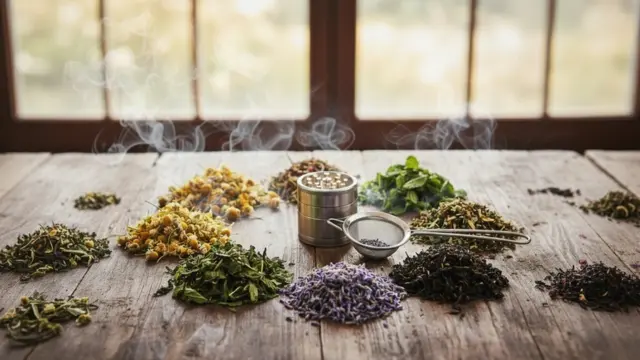
If you're interested in smoking tea, the natural question is: which tea can you actually smoke? In principle, many dried plant parts are smokable, but there are big differences in flavour, texture and possible effect. It's important to make the right choice so you don't raise the (already explained) risk unnecessarily.
💡 The key points in brief:
- ✅ Always use loose tea or special smoking herbs.
- ✅ Base herbs ensure a good burn, aromatic herbs provide flavour.
- ❌ Avoid tea bags because of the poor quality and dust.
Base herbs, for good burning and body:
These herbs form the foundation of your mix, as they burn well and provide a pleasant body.
- Marshmallow leaves: known for their mucous-membrane-protecting properties, they provide a mild smoke.
- Mullein flowers: also valued for their gentleness and good smokability.
- Raspberry leaves: a popular base with a neutral taste that smoulders well.
- Walnut leaves & ribwort plantain: can also serve as base herbs, depending on preference.
Aromatic herbs, for flavour and gentle effects:
These herbs give your mix a particular aroma and can also have mild, non-psychoactive effects.
- Chamomile flowers: known for their calming and slightly anxiety-relieving effect.
- Lavender flowers: provide relaxation and a pleasantly floral scent.
- Peppermint leaves: ideal for a refreshing, cooling note.
- Rose petals: lend a sweet, floral taste and an elegant aroma.
- Blackberry leaves & hop flowers: can also be used for certain flavour nuances.
- Passionflower: often used in herbal blends for its mildly calming properties.
- Damiana: in high doses it's said to have a mildly euphoric or aphrodisiac effect. In the usual smoking blends, however, it's mostly dosed too low to produce such effects.
Well-known tea varieties:
- Green tea: can be smoked, is mild in flavour and contains caffeine, which can have an invigorating effect.
- Black tea: has a more astringent taste, sometimes compared to pipe tobacco. Also contains caffeine.
.jpg?ts=1770017460)
The most important tip: quality is everything!
Always use loose tea or special blends declared as smoking herbs. Tea bags are completely unsuitable for smoking. They often contain tea dust or low-grade, heavily crushed leaves that burn poorly, scratch and may contain extra impurities. Go for organic quality where possible.
💡 Tip box: your guide to the perfect herbal mix
- Quality first: always buy high-grade loose tea or special smoking herbs. Cheap tea-bag contents are off limits!
- Mixing is an art: combine 70-80% base herbs (for a good burn) with 20-30% aromatic herbs (for flavour & effects).
- Grind finely: a grinder gives you an even consistency and a better, more uniform burn.
- Sieve: remove dust and coarse stems with a sieve. That reduces throat scratch and makes for a smoother smoke.
Here's how: smoking tea, practical preparation and lower-risk alternatives
Wondering how you actually smoke tea? The preparation is basically similar to tobacco or cannabis, but with a few particulars that can improve the experience. At the same time, we also want to show you what is, in our view, the clearly better and lower-risk alternative.
Preparing your herbs:
- Choosing the base: pick your preferred loose tea varieties or herbs, keep our tips on base and aromatic herbs in mind.
- Breaking it down: this is a crucial step. With a good grinder you break the dried tea leaves and herbs down to a fine but not dusty consistency. An even grind ensures the mix burns well and uniformly.
- Sieving (optional but recommended): to ensure an even smoother smoke and avoid unnecessary throat scratch, you can pass the ground herbs through a fine sieve. This removes coarse stems and fine dust.
Ways to consume:
- As a herbal cigarette: you can roll the prepared tea on its own in a paper. Many also use it mixed with cannabis as a nicotine-free alternative to tobacco joints.
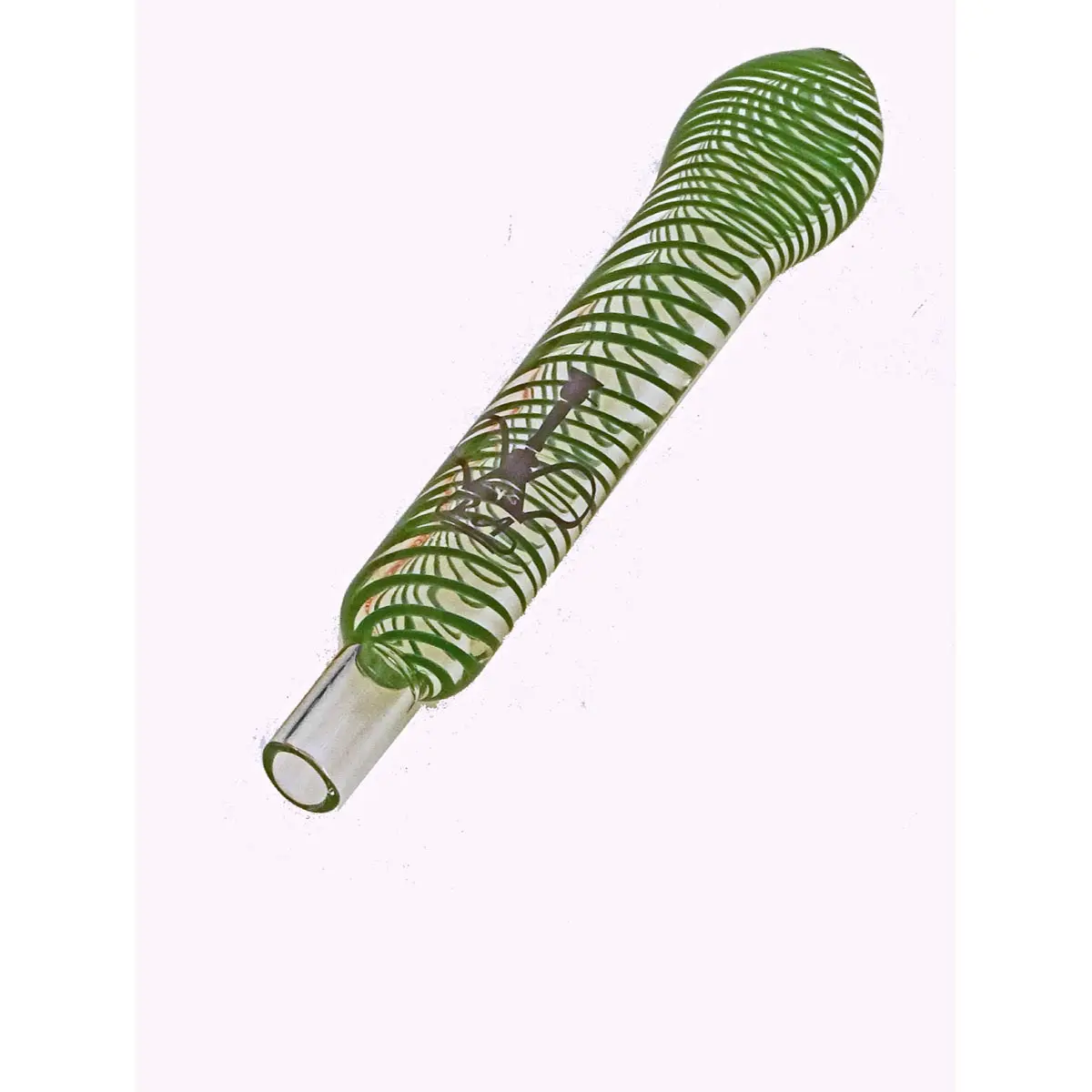
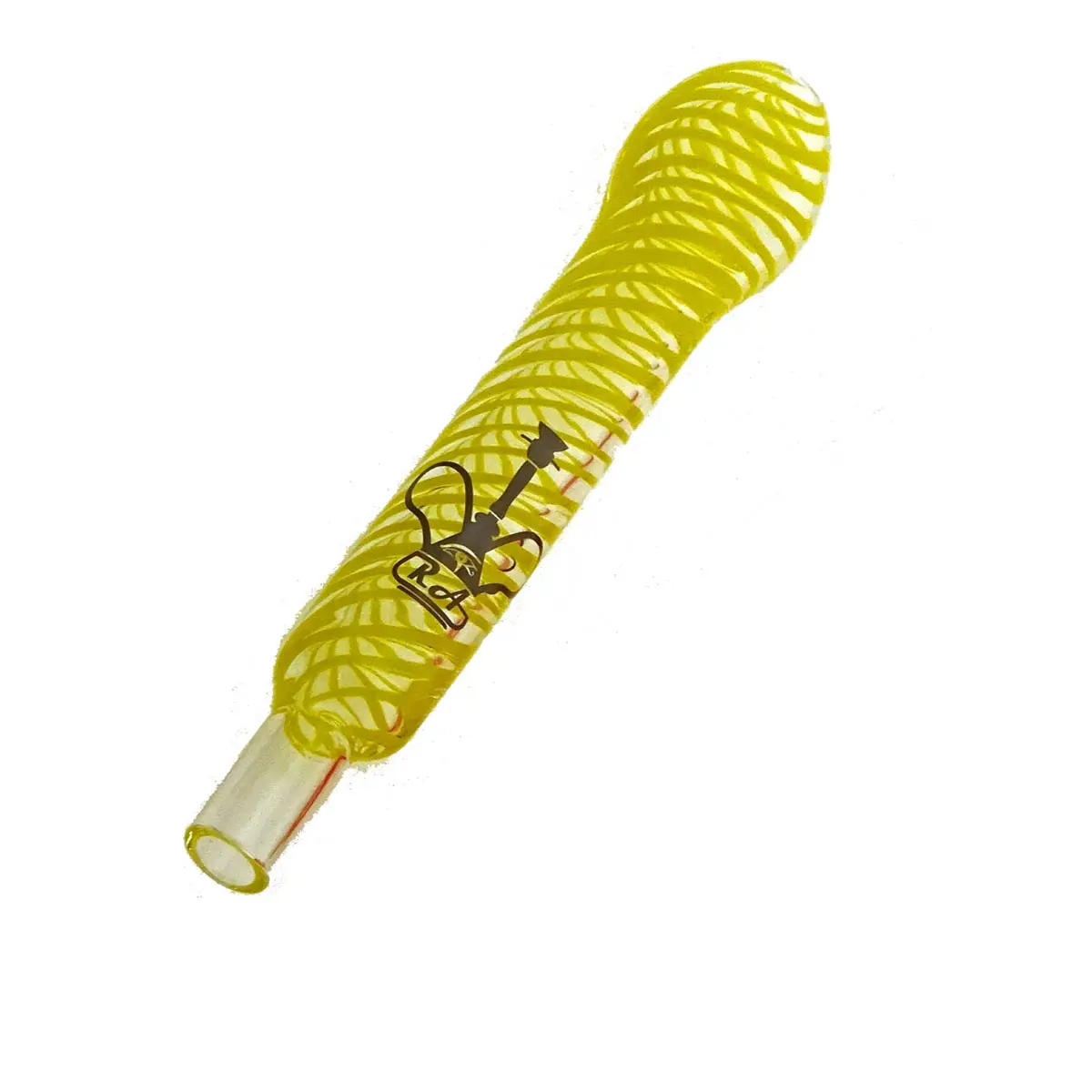
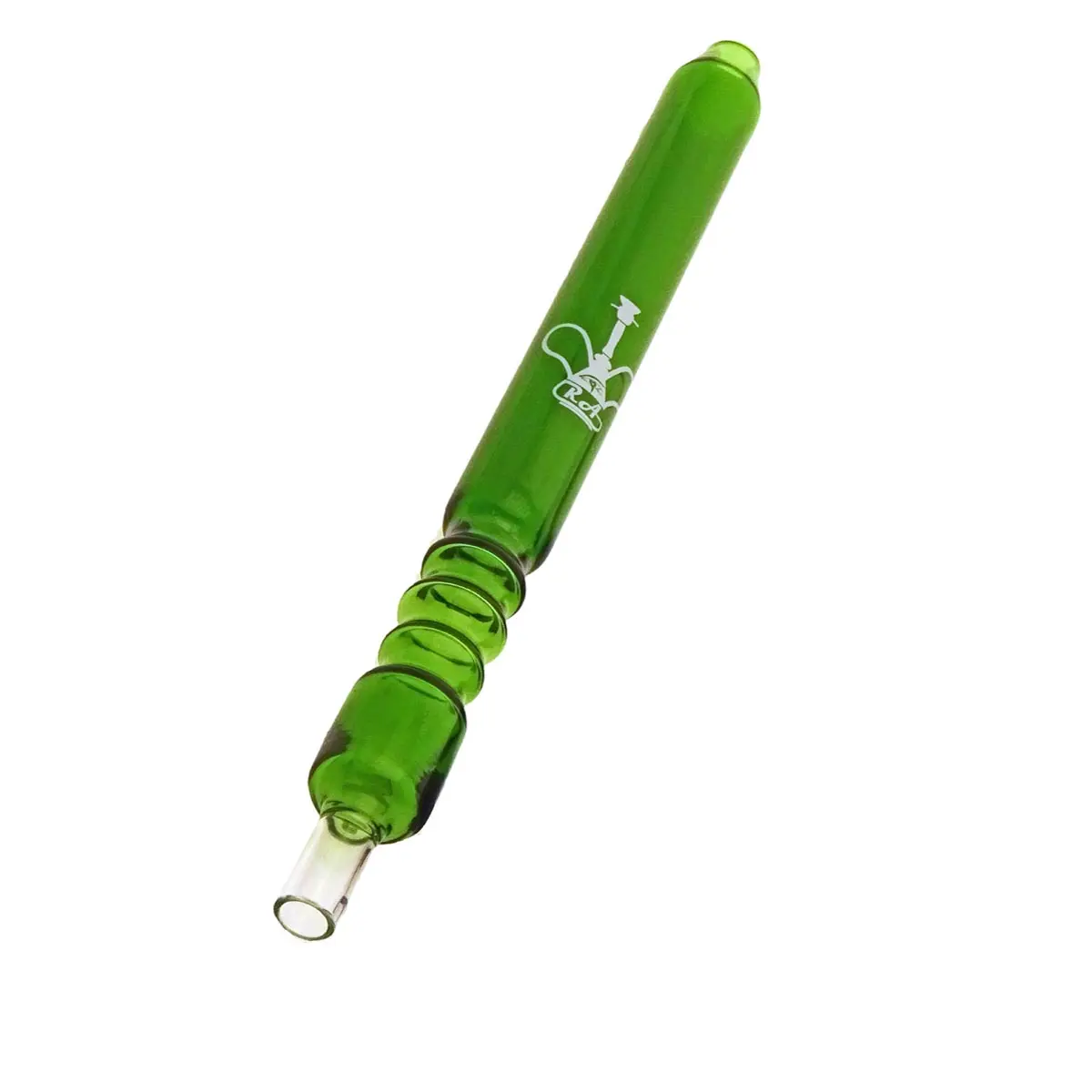
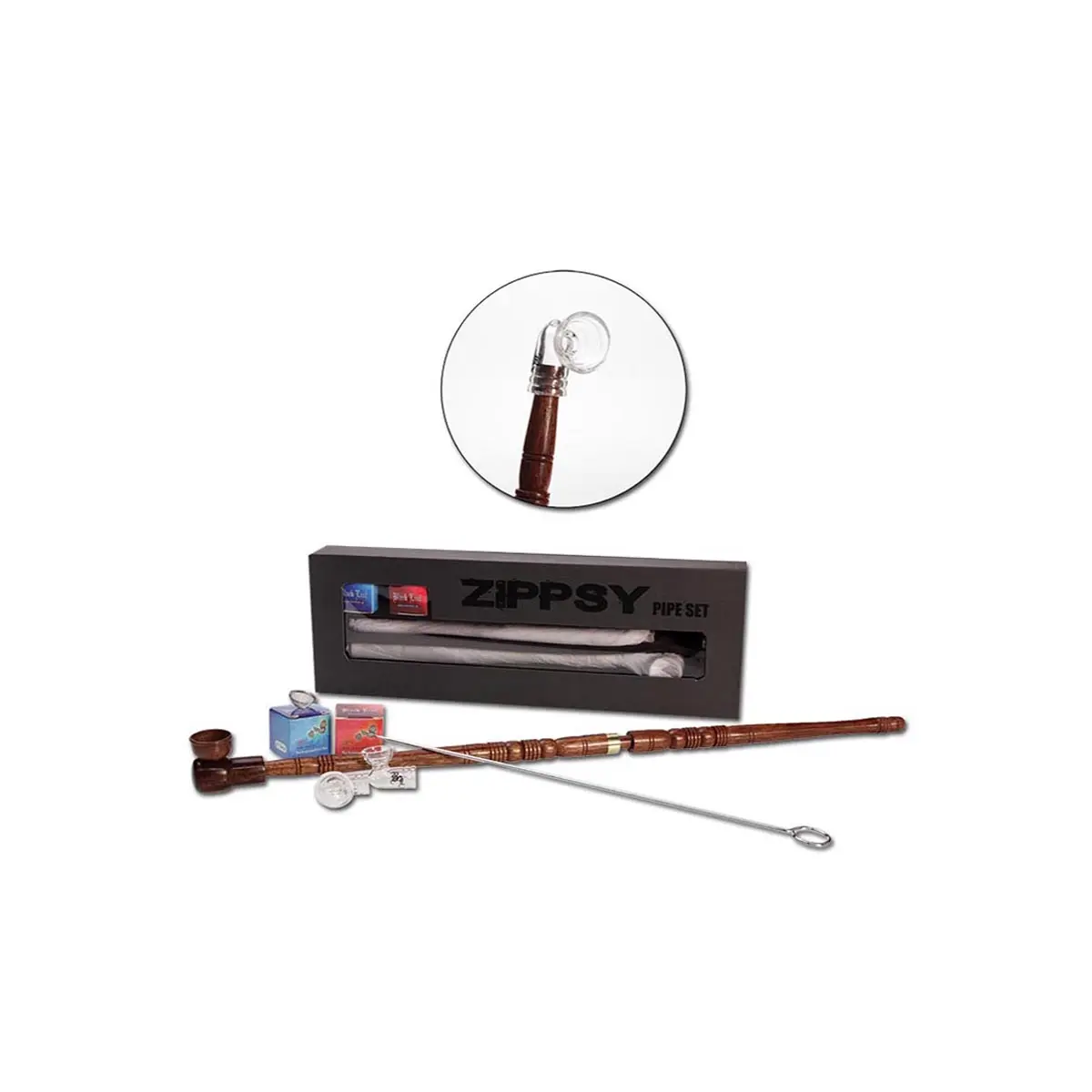
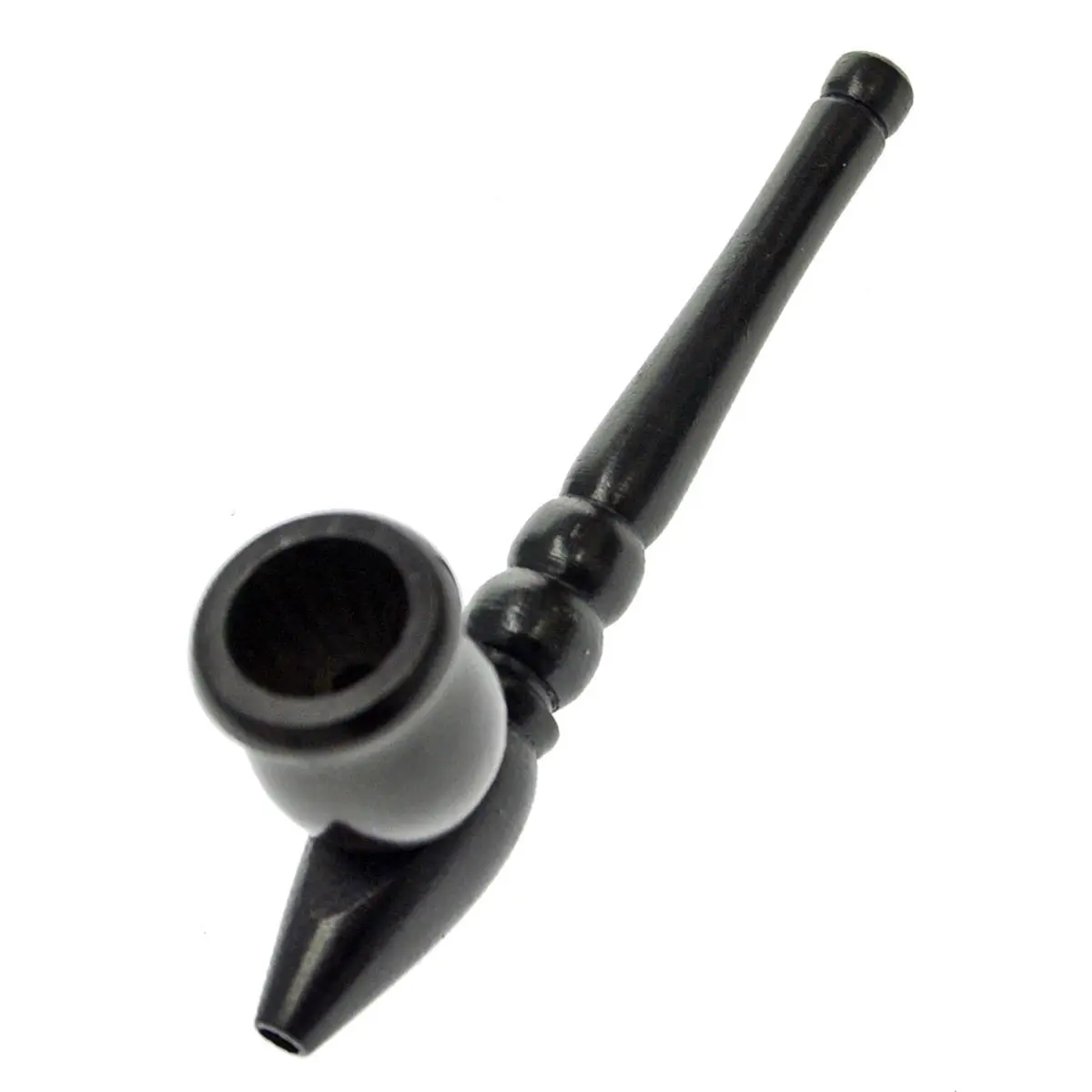
- In a pipe: for a more intense flavour experience and easier handling, you can also smoke tea in a classic smoking pipe.
The vaporizer: your far healthier alternative!
We know the ritual of smoking matters to many people. But the best way to consume herbs without inhaling the harmful combustion products is vaporizing in a vaporizer.
- The principle: a vaporizer heats the herbs only enough for the desired active compounds and aromas to evaporate, without any combustion taking place. That means: no smoke, no flame, no tar, no carbon monoxide and none of the other harmful substances we've discussed.
- The benefits:
- ✅ Fewer pollutants: you drastically reduce your intake of carcinogenic and toxic substances.
- ✅ Better flavour: the fine aromas of the tea or herbs come through far more purely and intensely.
- ✅ More efficient uptake of active compounds: the ingredients are used more effectively.
- ✅ Gentler on the lungs: your airways are irritated much less.
So if you want to enjoy the full aroma of your herbs while going easy on your health, a herb vaporizer is by far the superior choice. Explore our range of high-quality vaporizers, here you'll find the right device for your mindful enjoyment!
.jpg?ts=1770017443)
The "tea high": does smoking tea get you high? Between a caffeine kick and a real buzz
One of the most frequently asked questions on the topic is: which tea gets you high when smoked, or can smoking tea give you a buzz similar to cannabis? Here we have to draw a clear distinction and clear up some myths.
The short and clear answer is: no, tea doesn't get you "high" in the sense of a psychoactive effect that strongly alters your consciousness, the way THC in cannabis does.
What you can experience, though, is an effect more comparable to a strong caffeine kick. Tea varieties like green or black tea in particular contain caffeine (sometimes called theine) and catechins. When smoked, just as when drunk in high doses, these substances can have a stimulating, invigorating or even mildly euphoric effect. Some describe it as a feeling of alertness, heightened attention or a slight "jitteriness".
However, an overdose can also bring unpleasant side effects:
- ❌ Racing heart or palpitations
- ❌ Inner restlessness and nervousness
- ❌ Trembling or shaky legs
- ❌ Nausea or stomach complaints
It's important to understand that this is a stimulating effect that has nothing to do with the complex, consciousness-altering buzz of cannabinoids like THC or CBD. Teas or herbs like damiana are sometimes described as mildly euphoric or aphrodisiac in very high doses, but in the amounts typically used in smoking blends, such psychoactive effects are barely, if at all, noticeable. So don't confuse the possible caffeine kick with a real buzz.
💡 Tip box: smoking tea & cannabis, what to keep in mind
- Flavour counts: tea as a base can significantly influence the taste of your joint. Choose herbs that go well with your cannabis.
- Synergy effects: some herbal blends (e.g. special tobacco-substitute products with terpenes) can support the effect of cannabinoids not just in flavour but synergistically.
- Quality & safer use: here too, pay attention to the quality of the tea/herbs and consider vaping for a cleaner and more efficient experience, especially if you want to make the most of your cannabis terpenes.
Smoking tea as a quit-smoking strategy? A critical look and our alternatives
Many people are looking for ways to escape tobacco use. Since smoking tea is nicotine-free, at first glance it seems a logical option for giving up smoking. But is it really an effective or even healthy quit-smoking strategy?
Psychological benefits:
- ✅ Keeping the ritual: for many smokers the ritual itself, the rolling, holding the cigarette, inhaling, is a powerful habit. Smoking tea can help maintain this ritual while the body is weaned off nicotine. That can ease the psychological hurdle of quitting.
- ✅ Distraction: it gives the hands and mouth something to do, which is often sorely missed during nicotine withdrawal.
Physiological benefits (compared to tobacco):
- ✅ No nicotine: the biggest advantage is the absence of the highly addictive nicotine.
- ✅ No tobacco additives: you avoid the many harmful additives in conventional tobacco that intensify addiction.
Criticisms and downsides:
- ❌ Still combustion products: as explained in detail, burning tea also produces harmful substances that strain your lungs and raise the cancer risk. It's not a "healthy" alternative, just a "less harmful" one compared to tobacco.
- ❌ Shifting a habit: there's a risk of merely shifting an unhealthy habit rather than dropping it entirely.
- ❌ No scientific evidence: there's no scientific proof that smoking tea is an effective method for lasting smoking cessation.
Our recommendation: certified herbal blends as a tobacco substitute and professional help
If you really want to stop smoking or are looking for a nicotine-free base for your herbs, there are clearly better and safer alternatives than plain tea.
- Specialised tobacco substitutes: brands like Real Leaf or Green Go have specialised in developing nicotine-free herbal blends. These products are often designed to offer a pleasant smoking experience and can be a good nicotine-free alternative. Real Leaf, for instance, offers blends with added cannabis terpenes that not only improve the flavour but can also work in synergy with cannabinoids. Even though these products are burned and are therefore not "healthy", they are a clearly better choice than nicotine-containing tobacco.
- The vaporizer: as mentioned, vaping herbs is the gentlest method for taking in active compounds and aromas, since no combustion takes place.
- Professional support: for a serious nicotine addiction, seeing a doctor or a professional smoking-cessation service is the best route. There you get sound support and scientifically recognised strategies for quitting.
Our verdict: smoking tea, weighing up enjoyment and health awareness
At the end of our detailed look, one thing stands: yes, you can smoke tea. But this option should always go hand in hand with a deep awareness of the associated risks. It's a choice made out of curiosity, the wish to be nicotine-free or as a base for cannabis, yet it's far from harmless.
The illusion that "nicotine-free" equals "harmless" needs to be clearly debunked. Burning any organic material, tea included, produces a range of harmful and potentially carcinogenic substances that strain your airways. And the underestimated danger of combining hot tea and smoking with regard to oesophageal cancer is an alarming factor that should give pause for thought.
We advocate conscious and informed consumption. If your aim is to avoid nicotine and keep the smoking ritual, there are clearly superior alternatives these days that benefit both your health and your enjoyment.
💡 Your better choice: if you want to smoke but avoid nicotine and unnecessary pollutants, a high-quality herb vaporizer or special nicotine-free herbal blends like Real Leaf or Knaster are the most convincing alternatives. They offer better aroma, a more pleasant experience and significantly reduce the strain on your lungs.
FAQ: your most common questions about smoking tea
Here we answer the most common questions around smoking tea.
1. Is smoking tea healthy?
No, smoking tea is not healthy. Although it contains no nicotine, burning it produces carcinogenic and toxic substances such as carbon monoxide, polycyclic aromatic hydrocarbons (PAHs) and formaldehyde. These damage the airways and can promote the risk of respiratory disease and cancer.
2. Can you get high from smoking tea?
No, tea doesn't get you "high" in the sense of psychoactive substances like THC or CBD. Some tea varieties, especially green tea, contain caffeine and catechins that can have an invigorating or mildly euphoric effect, comparable to a strong caffeine rush. This is not a real state of intoxication, however.
3. Is smoking tea less harmful than tobacco?
Yes, smoking tea is less harmful insofar as it contains no nicotine and none of the associated addictive and vessel-damaging tobacco additives. Nevertheless, burning tea produces harmful combustion products that strain the lungs and raise the cancer risk. It should by no means be regarded as harmless or healthy.
4. Which tea varieties can you smoke?
Many loose herbal teas are suitable for smoking. Popular base herbs for a good burn are marshmallow leaves and raspberry leaves. For flavour and gentle effects, aromatic herbs like chamomile, lavender, mint or rose petals work well. It's important to use loose tea rather than tea bags.
5. How do you smoke tea properly?
Use high-quality loose tea. Grind the dried tea leaves finely, ideally with a grinder, and remove coarse stems or dust by sieving. You can then consume the tea on its own in a herbal cigarette, in a pipe or mixed with cannabis. A clearly lower-risk method is vaporizing in a vaporizer.
6. Does hot tea increase the cancer risk?
Yes, very hot tea (above 65°C) can damage the lining of the oesophagus and raise the risk of oesophageal cancer. In combination with smoking the risk doubles, and together with alcohol and smoking it can even increase fivefold. Let your tea cool down before drinking it.
7. Does smoking tea help with quitting?
Psychologically, smoking tea can serve as a transitional solution to keep the smoking ritual while you wean yourself off nicotine. But it's not a healthy long-term solution, as harmful combustion products are still produced. Better alternatives are herb vaporizers or certified, nicotine-free herbal blends, as well as professional quit-smoking programmes.






So geht's: Tee rauchen – Praktische Zubereitung und risikoärmere Alternativen
Du fragst dich, wie raucht man Tee eigentlich? Die Zubereitung ist im Grunde der von Tabak oder Cannabis ähnlich, aber mit einigen Besonderheiten, die das Erlebnis verbessern können. Gleichzeitig wollen wir dir hier auch die aus unserer Sicht deutlich bessere und risikoärmere Alternative vorstellen.
Vorbereitung deiner Kräuter:
- Auswahl der Basis: Wähle deine gewünschten losen Teesorten oder Kräuter – denk an unsere Tipps zu Basis- und Aromakräutern.
- Zerkleinern: Dies ist ein entscheidender Schritt. Mit einem guten Grinder zerkleinerst du die getrockneten Teeblätter und Kräuter zu einer feinen, aber nicht staubigen Konsistenz. Eine gleichmäßige Zerkleinerung sorgt dafür, dass die Mischung gut und gleichmäßig abbrennt.
- Sieben (optional, aber empfohlen): Um ein noch sanfteres Raucherlebnis zu gewährleisten und unnötiges Kratzen im Hals zu vermeiden, kannst du die zerkleinerten Kräuter durch ein feines Sieb geben. Das entfernt grobe Stiele und feinen Staub.
Konsumformen:
- Als Kräuterzigarette: Du kannst den vorbereiteten Tee pur in ein Blättchen drehen. Viele nutzen ihn auch gemischt mit Cannabis als nikotinfreie Alternative zu Tabak-Joints.
- In einer Pfeife: Für ein intensiveres Geschmackserlebnis und eine einfachere Handhabung kannst du Tee auch in einer klassischen Rauchpfeife konsumieren.
Der Vaporizer: Deine deutlich gesündere Alternative!
Wir wissen, dass das Ritual des Rauchens für viele wichtig ist. Doch die beste Art, Kräuter zu konsumieren, ohne die schädlichen Verbrennungsprodukte zu inhalieren, ist das Verdampfen im Vaporizer.
- Das Prinzip: Ein Vaporizer erhitzt die Kräuter nur so weit, dass die gewünschten Wirkstoffe und Aromen verdampfen, aber keine Verbrennung stattfindet. Das bedeutet: Kein Rauch, keine Flamme, kein Teer, kein Kohlenmonoxid und all die anderen schädlichen Substanzen, die wir besprochen haben.
- Die Vorteile:
- ✅ Weniger Schadstoffe: Du reduzierst die Aufnahme von krebserregenden und toxischen Stoffen drastisch.
- ✅ Besserer Geschmack: Die feinen Aromen des Tees oder der Kräuter kommen viel reiner und intensiver zur Geltung.
- ✅ Effizientere Wirkstoffaufnahme: Die Inhaltsstoffe werden effektiver genutzt.
- ✅ Schonender für die Lunge: Deine Atemwege werden deutlich weniger gereizt.
Wenn du also das volle Aroma deiner Kräuter genießen möchtest und dabei deine Gesundheit schonen willst, ist ein Vaporizer für Kräuter die bei Weitem überlegenste Wahl. Entdecke unser Sortiment an hochwertigen Vaporizern – hier findest du das passende Gerät für deinen bewussten Genuss!
Das "Tee-High": Macht Tee rauchen high? Zwischen Koffein-Kick und echtem Rausch
Eine der am häufigsten gestellten Fragen zum Thema ist: Welcher Tee macht high beim Rauchen oder kann ich durch das Rauchen von Tee einen ähnlichen Rausch wie bei Cannabis erleben? Hier müssen wir ganz klar differenzieren und mit Mythen aufräumen.
Die kurze und prägnante Antwort ist: Nein, Tee macht nicht "high" im Sinne einer psychoaktiven Wirkung, die dein Bewusstsein stark verändert, wie es THC in Cannabis tut.
Was du aber erleben kannst, ist ein Effekt, der eher mit einem starken Koffein-Kick vergleichbar ist. Besonders Teesorten wie Grüner oder Schwarzer Tee enthalten Koffein (manchmal auch als Teein bezeichnet) und Katechine. Diese Substanzen können beim Rauchen – ebenso wie beim Trinken in hohen Dosen – eine anregende, belebende oder sogar leicht euphorische Wirkung hervorrufen. Manche beschreiben es als ein Gefühl von Wachheit, gesteigerter Aufmerksamkeit oder einer leichten "Wackligkeit".
Allerdings können bei einer Überdosierung auch unangenehme Nebenwirkungen auftreten:
- ❌ Herzrasen oder Herzklopfen
- ❌ Innere Unruhe und Nervosität
- ❌ Zittern oder wackelige Beine
- ❌ Übelkeit oder Magenbeschwerden
Es ist wichtig zu verstehen, dass dies ein stimulierender Effekt ist, der nichts mit dem komplexen, bewusstseinsverändernden Rausch von Cannabinoiden wie THC oder CBD zu tun hat. Tees oder Kräuter wie Damiana werden zwar in sehr hohen Dosen manchmal als leicht euphorisch oder aphrodisierend beschrieben, aber in den Mengen, die üblicherweise in Rauchmischungen verwendet werden, sind solche psychoaktiven Effekte kaum bis gar nicht spürbar. Verwechsle also den möglichen Koffein-Kick nicht mit einem echten Rausch.
💡 Tipp-Box: Tee rauchen & Cannabis – Was du beachten solltest
- Geschmack zählt: Tee als Basis kann den Geschmack deines Joints maßgeblich beeinflussen. Wähle Kräuter, die gut zu deinem Cannabis passen.
- Synergieeffekte: Einige Kräutermischungen (z.B. spezielle Tabakersatzprodukte mit Terpenen) können die Wirkung von Cannabinoiden nicht nur geschmacklich, sondern auch synergistisch unterstützen.
- Qualität & Safer Use: Achte auch hier auf die Qualität des Tees/der Kräuter und erwäge das Vapen für eine sauberere und effizientere Erfahrung, besonders wenn du die Terpene deines Cannabis optimal nutzen willst.
Tee rauchen als Rauchstopp-Strategie? Eine kritische Betrachtung und unsere Alternativen
Viele Menschen suchen nach Wegen, um dem Tabakkonsum zu entkommen. Da Tee rauchen nikotinfrei ist, scheint es auf den ersten Blick eine logische Option, um das Rauchen aufzugeben. Doch ist es wirklich eine effektive oder gar gesunde Rauchstopp-Strategie?
Psychologische Vorteile:
- ✅ Beibehaltung des Rituals: Für viele Raucher ist das Ritual selbst – das Drehen, das Halten der Zigarette, das Inhalieren – eine starke Gewohnheit. Tee rauchen kann dabei helfen, dieses Ritual beizubehalten, während der Körper vom Nikotin entwöhnt wird. Dies kann die psychische Hürde beim Rauchstopp erleichtern.
- ✅ Ablenkung: Es bietet eine Beschäftigung für die Hände und den Mund, die beim Nikotinentzug oft stark vermisst werden.
Physiologische Vorteile (im Vergleich zu Tabak):
- ✅ Kein Nikotin: Der größte Vorteil ist das Fehlen des stark süchtig machenden Nikotins.
- ✅ Keine Tabakzusätze: Du vermeidest die vielen schädlichen Zusatzstoffe, die in herkömmlichem Tabak enthalten sind und die Sucht verstärken.
Kritikpunkte und Nachteile:
- ❌ Trotzdem Verbrennungsprodukte: Wie bereits ausführlich erläutert, entstehen auch beim Verbrennen von Tee schädliche Stoffe, die deine Lunge belasten und das Krebsrisiko erhöhen. Es ist keine "gesunde" Alternative, sondern lediglich eine "weniger schädliche" im Vergleich zu Tabak.
- ❌ Verlagerung einer Gewohnheit: Es besteht die Gefahr, eine ungesunde Gewohnheit lediglich zu verlagern, statt sie ganz abzulegen.
- ❌ Keine wissenschaftliche Evidenz: Es gibt keine wissenschaftlichen Belege, dass Tee rauchen eine effektive Methode zur dauerhaften Rauchentwöhnung ist.
Unsere Empfehlung: Zertifizierte Kräutermischungen als Tabakersatz und professionelle Hilfe
Wenn du wirklich mit dem Rauchen aufhören möchtest oder eine nikotinfreie Basis für deine Kräuter suchst, gibt es deutlich bessere und sicherere Alternativen als einfachen Tee.
- Spezialisierter Tabakersatz: Marken wie Real Leaf, Green Go oder haben sich auf die Entwicklung von nikotinfreie Kräutermischungen spezialisiert. Diese Produkte sind oft darauf ausgelegt, ein angenehmes Raucherlebnis zu bieten und können eine gute nikotinfreie Alternative sein. Real Leaf bietet beispielsweise Mischungen mit zugesetzten Cannabis-Terpenen an, die nicht nur den Geschmack verbessern, sondern auch in Synergie mit Cannabinoiden wirken können. Auch wenn diese Produkte verbrannt werden und daher nicht "gesund" sind, stellen sie eine deutlich bessere Wahl dar als nikotinhaltiger Tabak.
- Der Vaporizer: Wie bereits erwähnt, ist das Vapen von Kräutern die schonendste Methode, um Wirkstoffe und Aromen aufzunehmen, da hier keine Verbrennung stattfindet.
- Professionelle Unterstützung: Bei einer schwerwiegenden Nikotinsucht ist der Gang zum Arzt oder zu einer professionellen Rauchstopp-Beratungsstelle der beste Weg. Dort erhältst du fundierte Unterstützung und wissenschaftlich anerkannte Strategien zur Rauchentwöhnung.
Unser Fazit: Tee rauchen – Eine Abwägung von Genuss und Gesundheitsbewusstsein
Am Ende unserer ausführlichen Betrachtung bleibt festzuhalten: Ja, du kannst Tee rauche. Aber diese Möglichkeit sollte immer Hand in Hand gehen mit einem tiefen Bewusstsein für die damit verbundenen Risiken. Es ist eine Option, die aus Neugier, dem Wunsch nach Nikotinfreiheit oder als Basis für Cannabis gewählt wird, doch sie ist weit entfernt von unbedenklich.
Die Illusion, dass "nikotinfrei" gleichbedeutend mit "harmlos" ist, muss klar widerlegt werden. Die Verbrennung jeglichen organischen Materials, also auch von Tee, erzeugt eine Reihe schädlicher und potenziell krebserregender Substanzen, die deine Atemwege belasten. Und die unterschätzte Gefahr der Kombination von heißem Tee und Rauchen für Speiseröhrenkrebs ist ein alarmierender Faktor, der zum Nachdenken anregen sollte.
Wir plädieren für einen bewussten und informierten Konsum. Wenn dein Ziel ist, Nikotin zu vermeiden und das Rauchritual beizubehalten, gibt es heutzutage deutlich überlegenere Alternativen, die sowohl deiner Gesundheit als auch deinem Genuss zugutekommen.
💡 Deine bessere Wahl: Wenn du rauchen möchtest, aber Nikotin und unnötige Schadstoffe vermeiden willst, sind ein hochwertiger Kräuter-Vaporizer oder spezielle, nikotinfreie Kräutermischungen wie Real Leaf oder Knaster die überzeugendsten Alternativen. Sie bieten ein besseres Aroma, ein angenehmeres Erlebnis und reduzieren die Belastung für deine Lunge erheblich.
FAQ: Deine häufigsten Fragen zum Thema Tee rauchen
Hier beantworten wir die häufigsten Fragen rund um das Rauchen von Tee.
1. Ist das Rauchen von Tee gesund?
Nein, das Rauchen von Tee ist nicht gesund. Obwohl es keinen Nikotin enthält, entstehen beim Verbrennen krebserregende und toxische Stoffe wie Kohlenmonoxid, polyzyklische aromatische Kohlenwasserstoffe (PAKs) und Formaldehyd. Diese schädigen die Atemwege und können das Risiko für Atemwegserkrankungen und Krebs fördern.
2. Kann man durch das Rauchen von Tee high werden?
Nein, Tee macht nicht "high" im Sinne von psychoaktiven Substanzen wie THC oder CBD. Einige Teesorten, insbesondere Grüner Tee, enthalten Koffein und Katechine, die eine belebende oder leicht euphorische Wirkung hervorrufen können, vergleichbar mit einem starken Koffeinrausch. Dies ist jedoch kein echter Rauschzustand.
3. Ist Tee rauchen weniger schädlich als Tabak?
Ja, Tee rauchen ist insofern weniger schädlich, als dass es kein Nikotin und die damit verbundenen süchtig machenden und gefäßschädigenden Tabakzusätze enthält. Dennoch entstehen bei der Verbrennung von Tee schädliche Verbrennungsprodukte, die die Lunge belastten und das Krebsrisiko erhöhen. Es ist keinesfalls als unschädlich oder gesund zu betrachten.
4. Welche Teesorten kann man rauchen?
Viele lose Kräutertees eignen sich zum Rauchen. Beliebte Basiskräuter für gute Glühfähigkeit sind Eibischblätter und Himbeerblätter. Für Geschmack und sanfte Effekte eignen sich Aromakräuter wie Kamille, Lavendel, Minze oder Rosenblütenblätter. Wichtig ist die Verwendung von losem Tee statt Teebeuteln.
5. Wie raucht man Tee richtig?
Verwende hochwertigen, losen Tee. Zerkleinere die getrockneten Teeblätter fein, idealerweise mit einem Grinder, und entferne grobe Stiele oder Staub durch Sieben. Du kannst den Tee dann pur in einer Kräuterzigarette, einer Pfeife oder gemischt mit Cannabis konsumieren. Eine deutlich risikoärmere Methode ist das Verdampfen im Vaporizer.
6. Erhöht heißer Tee das Krebsrisiko?
Ja, sehr heißer Tee (über 65°C) kann die Schleimhaut der Speiseröhre schädigen und das Risiko für Speiseröhrenkrebs erhöhen. Besonders in Kombination mit Rauchen verdoppelt sich das Risiko, und in Verbindung mit Alkohol und Rauchen kann es sich sogar verünffachen. Lass deinen Tee vor dem Trinken abkühlen.
7. Hilft Tee rauchen beim Rauchstopp?
Psychologisch kann Tee rauchen als Übergangslösung dienen, um das Rauchritual beizubehalten, während du dich vom Nikotin entwöhnst. Es ist aber keine gesunde Dauerlösung, da weiterhin schädliche Verbrennungsprodukte entstehen. Bessere Alternativen sind Vaporizer für Kräuter oder zertifizierte, nikotinfreie Kräutermischungen sowie professionelle Rauchstopp-Programme.