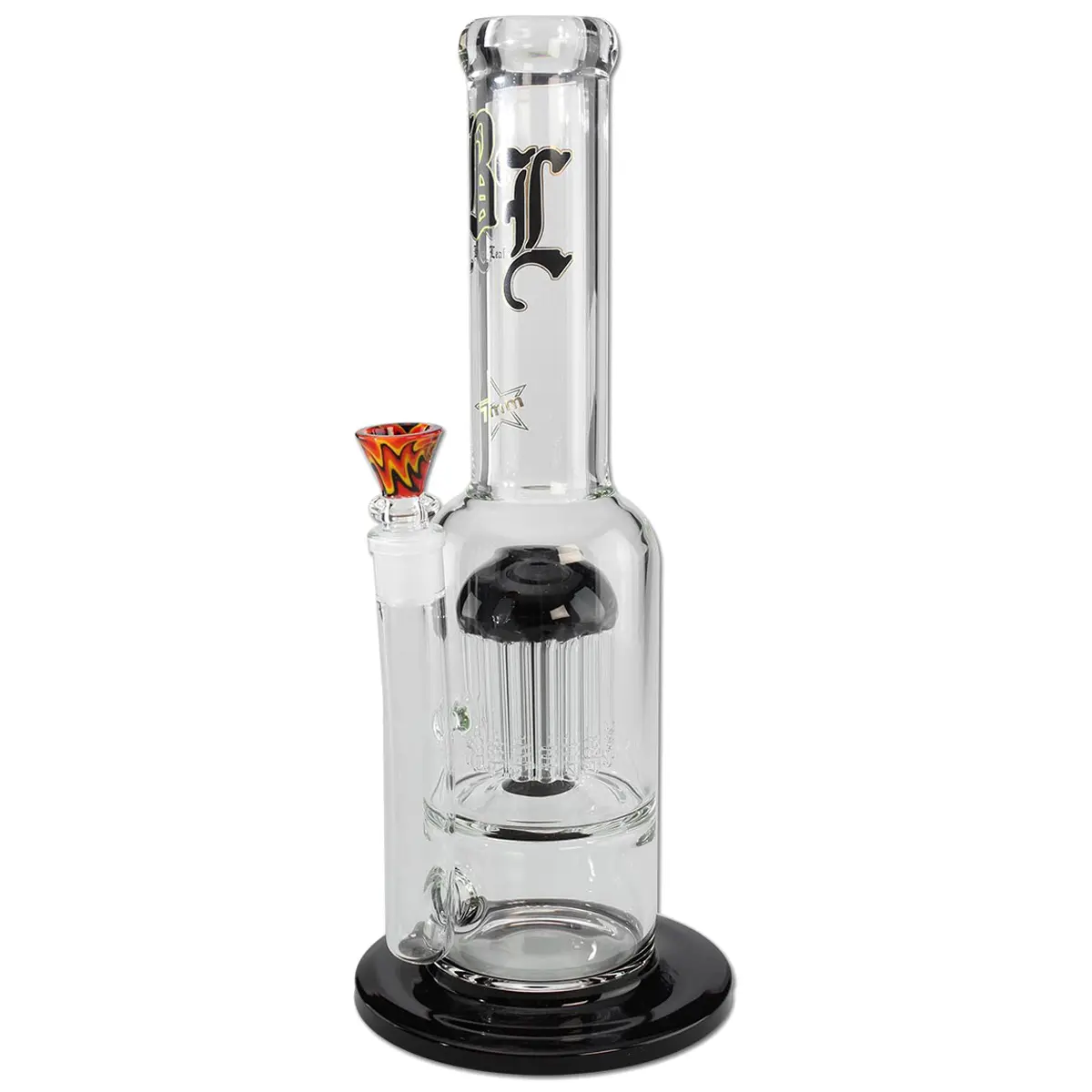
Glass Quality in Bongs: What Really Sets Them Apart
Weed Wissen
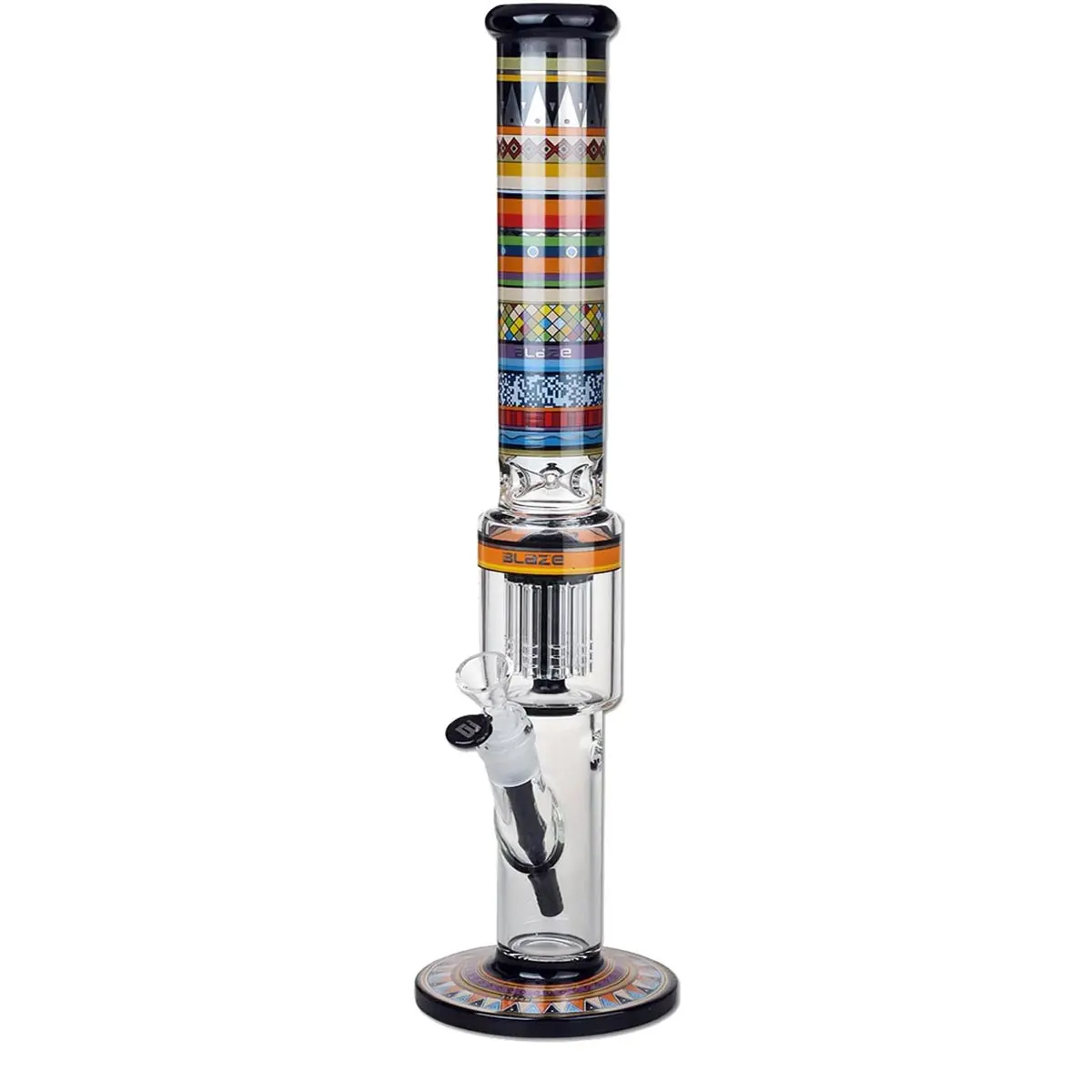
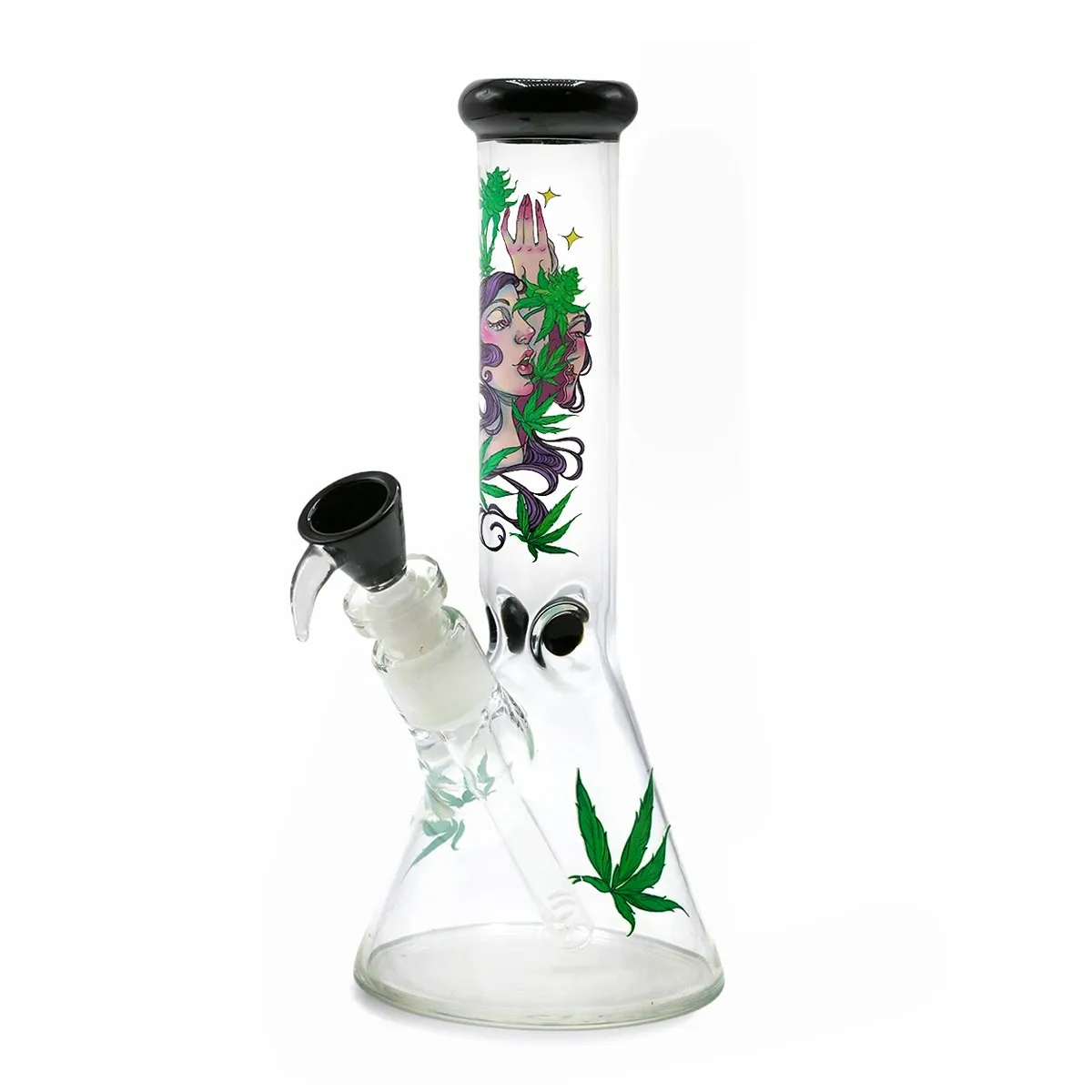
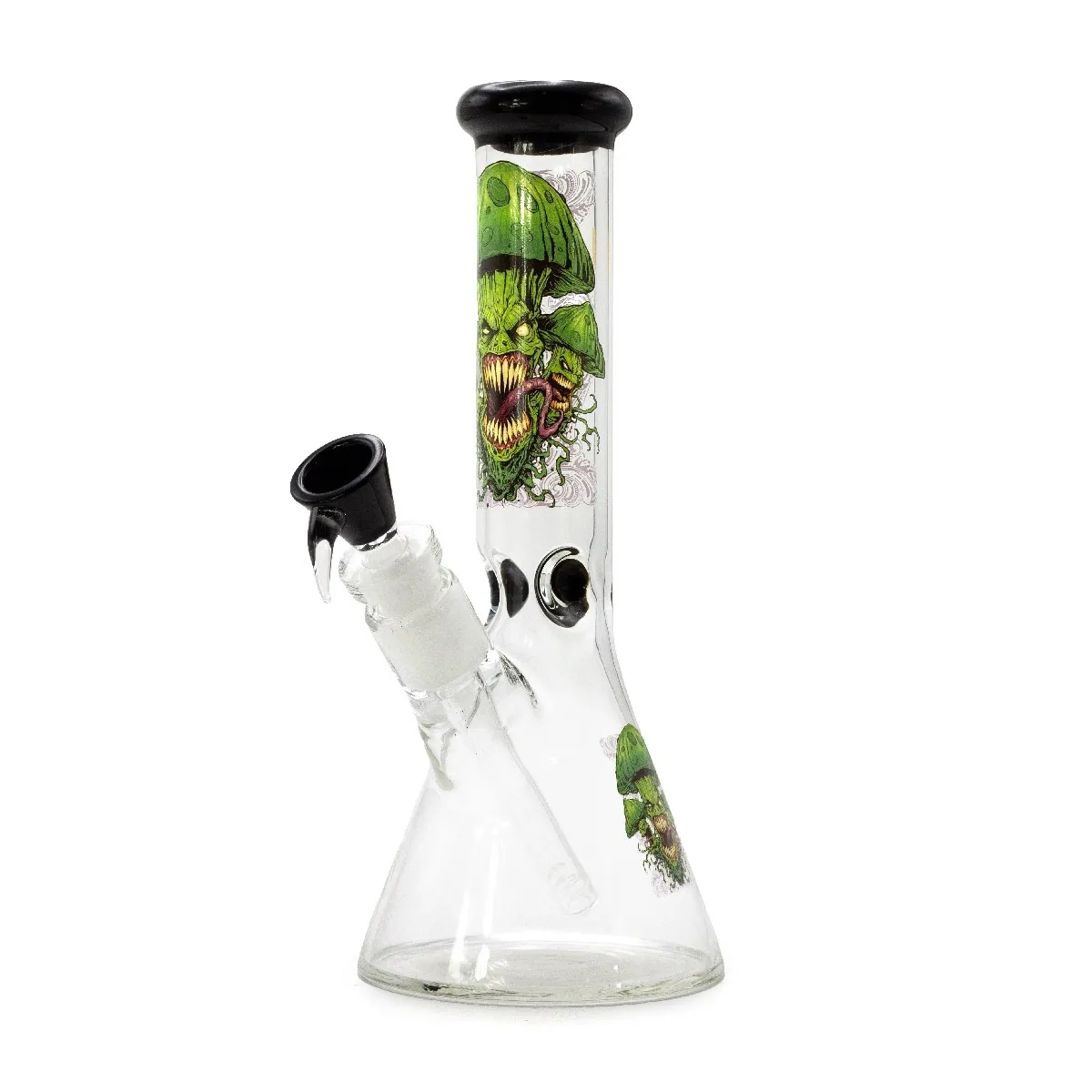
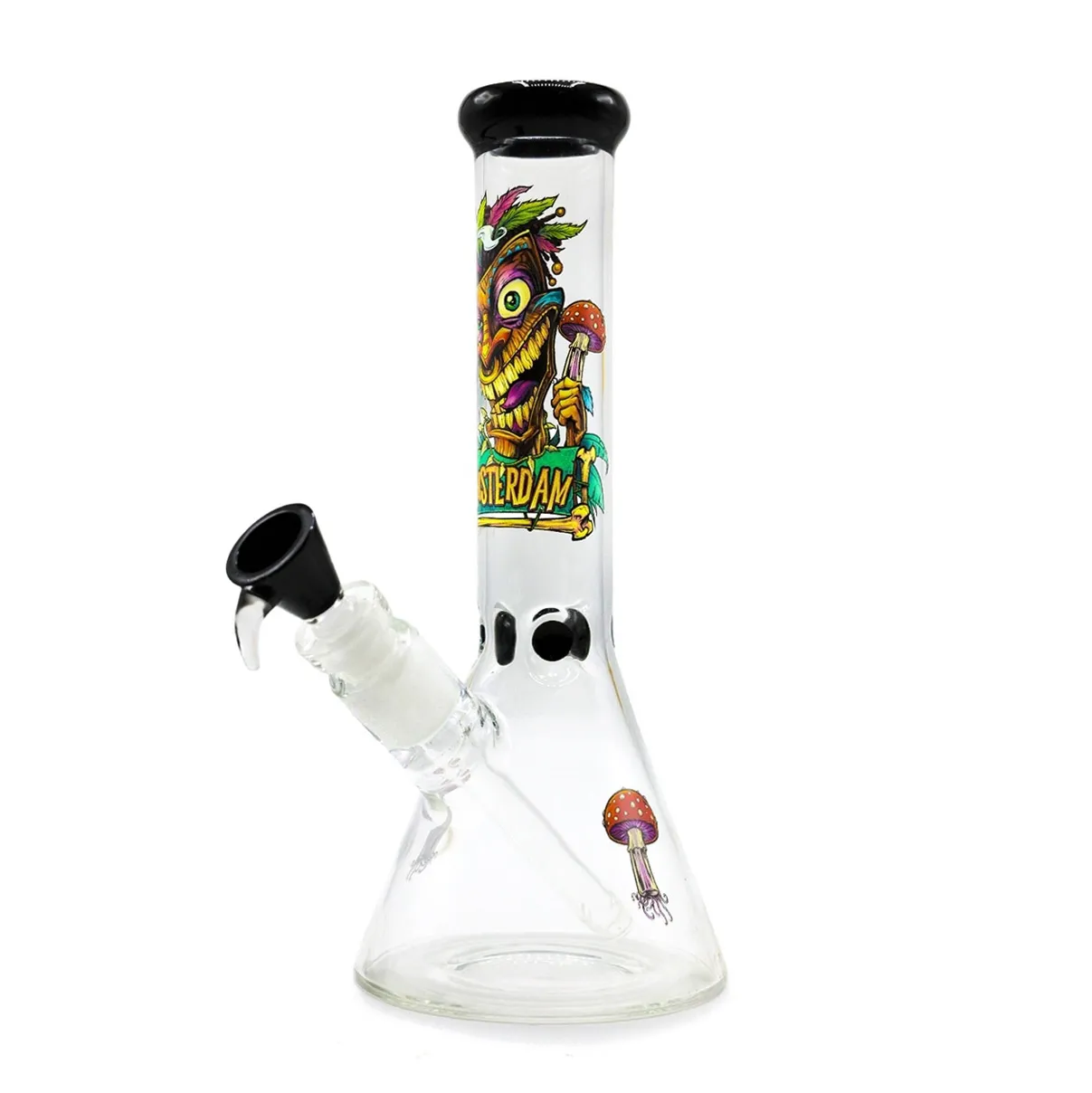
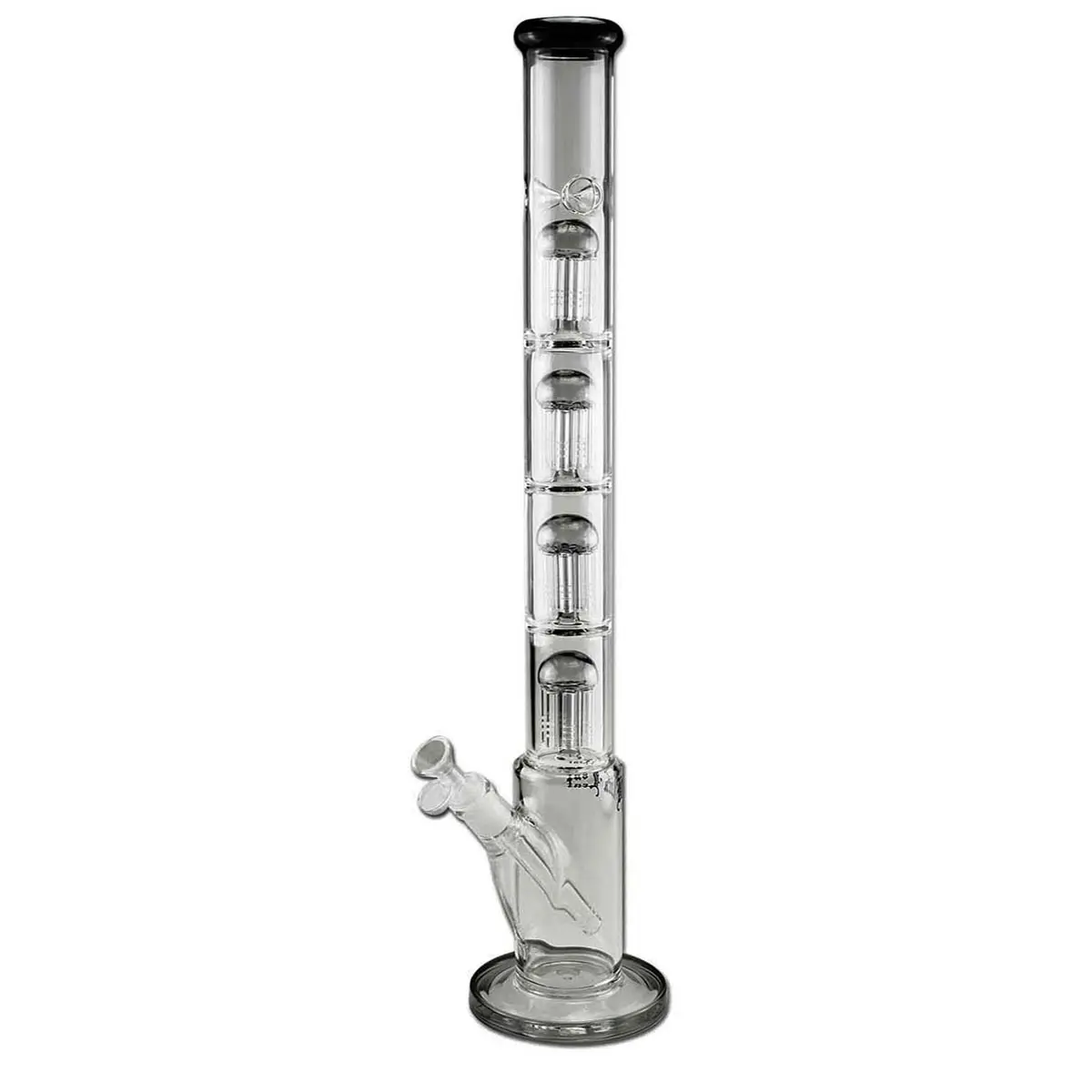
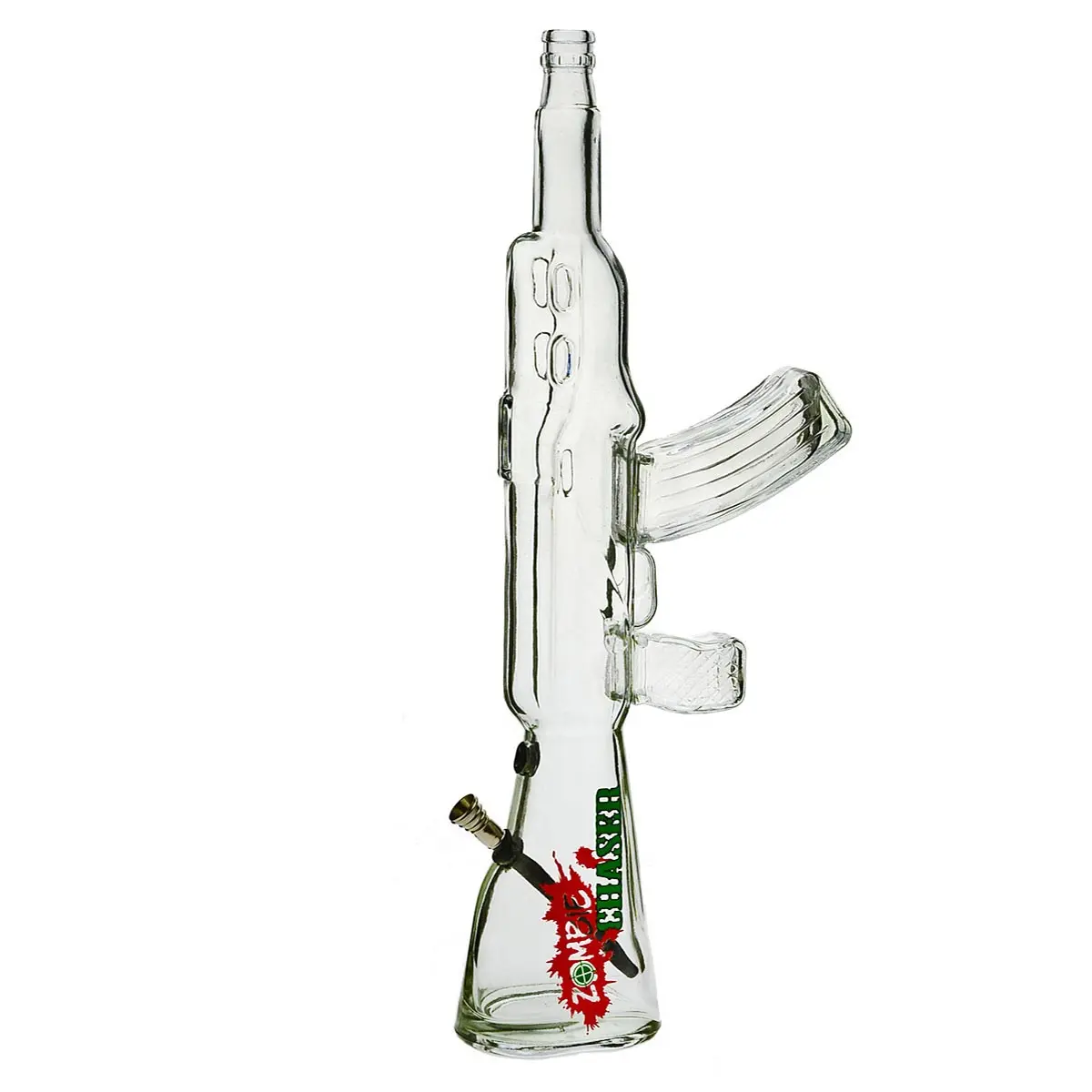
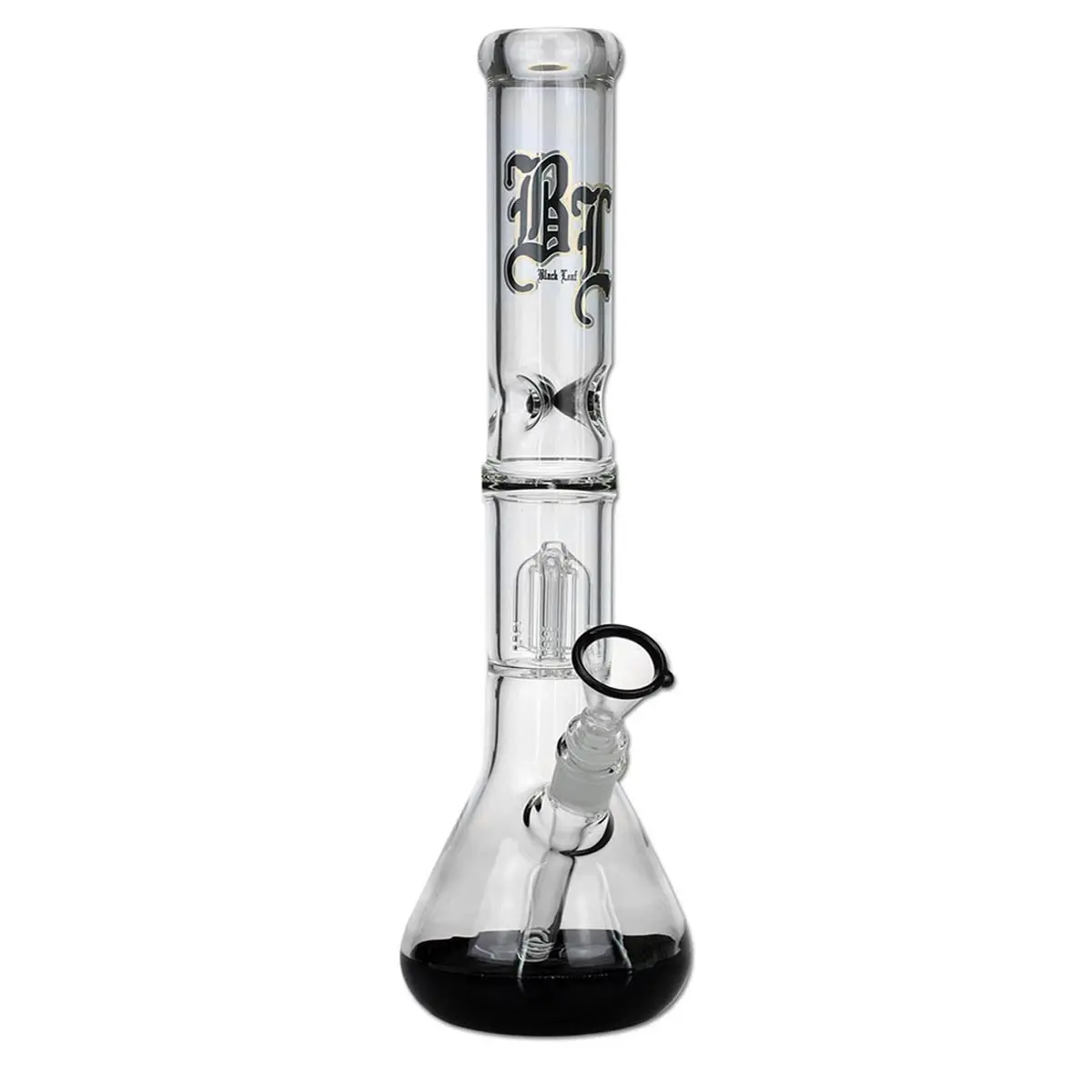
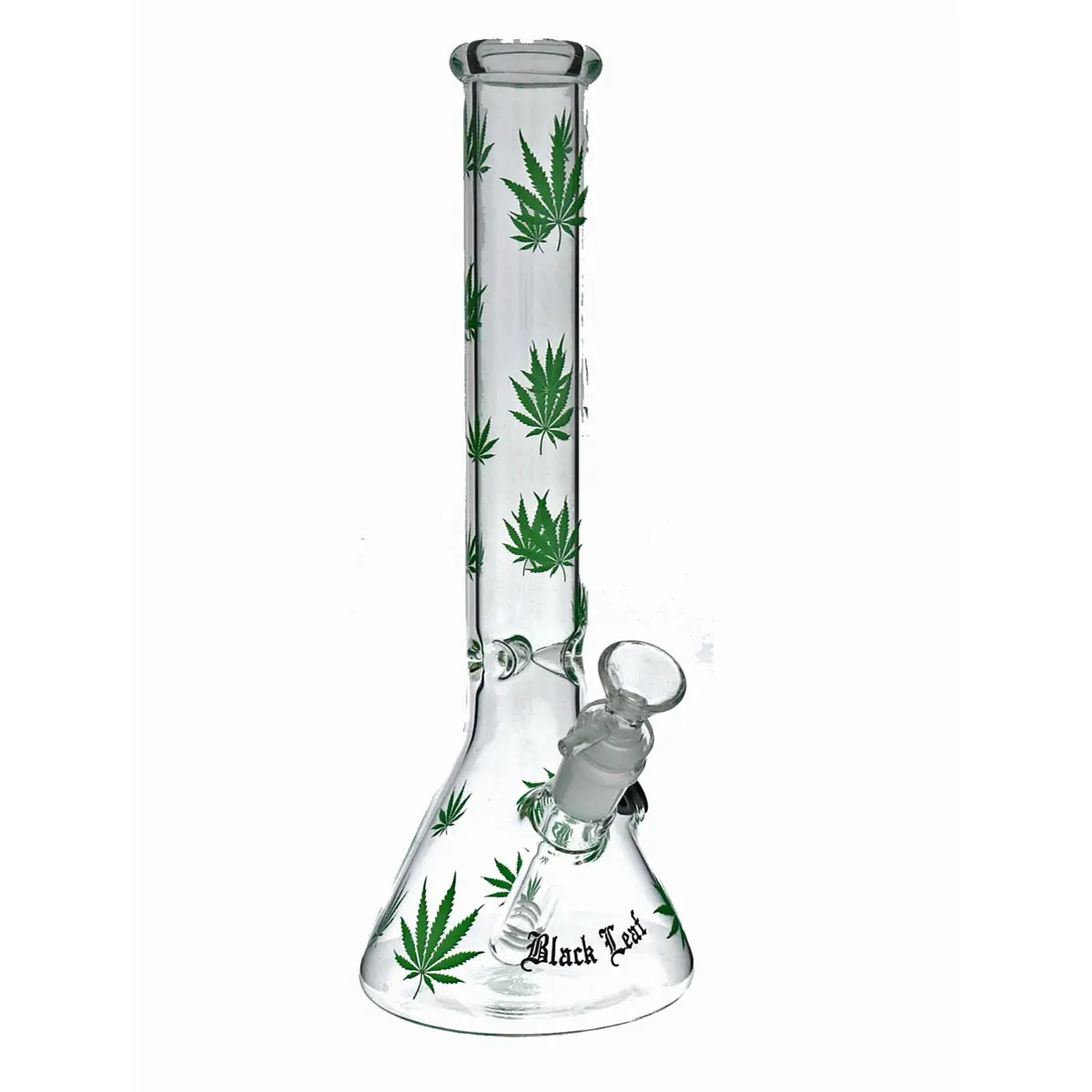
The quality of a glass bong comes down to a whole range of factors. Right at the top of the list, though, is the type of glass used. This is where a lot can be gained, but also lost. It starts with impact sensitivity, runs through the wall thickness of the glass and doesn't necessarily end with the method of manufacture. Here you'll pick up everything worth knowing about bong glass, the glass the pros swear by, and the points where you should take extra care. Welcome to the world of glass technology!
The type of glass
You don't need much imagination to spot the family resemblance between glass bongs and lab equipment. And indeed, many bong makers also produce beakers and flasks for chemical processes. In this respect, one thing above all matters: heat resistance, or the coefficient of thermal expansion (which describes how much the glass expands under temperature swings, something that can lead to cracking). The glass of choice here is borosilicate, which has proven ideal for the job. But that's only the start, it gets even better:
Schott Duran glass
Standard borosilicate is already very tough, but for everyday (and slightly rough) handling of your bong it pays to go one step further. Schott Duran glass has become the material of choice for many renowned glassblowers, and it shows in how long the piece lasts. Heat resistant and blessed with very low thermal expansion, Duran glass turns bongs into long-term companions that put up with (almost) anything.