
How Long Does Your Weed Last? All About Keeping and Storing Cannabis
Weed Wissen
- The quick answer for the impatient: how long your cannabis lasts on average
- The 4 main enemies of your cannabis freshness: know them to beat them!
- Storage like a pro: your step-by-step guide to perfect cannabis storage
- Not all the same: the shelf life of different cannabis products in detail
- Smells odd, looks strange? How to tell your cannabis is past its prime
- Red alert: mould on cannabis, spot the danger and avoid it at all costs!
- Myths, tales & truths: popular cannabis-storage questions fact-checked
- Good to know: what legal storage rules can mean for keeping your cannabis
- FAQ, your most important questions about cannabis shelf life (and our answers!)
- Conclusion: enjoy your cannabis longer, no witchcraft with the right know-how!
Cannabis shelf life: your ultimate guide to long-lasting freshness & potency
Maybe you're holding your first legal harvest in your hands, or you've built up a small stash now that changing cannabis laws have opened new doors where you live. But with possession comes the question: how do I keep my cannabis at its best? Because nothing is more annoying than aroma and effect fading before their time. Don't worry, you're in exactly the right place! This guide is your compass through the jungle of cannabis shelf life. We don't just explain how long cannabis stays good, we also show you how a few clever storage habits get the best out of your flower, hash or edibles, and what to keep in mind when building up a supply. From ideal storage to spotting the signs that your weed has seen better days, you'll find all the answers here.
The quick answer for the impatient: how long your cannabis lasts on average
Want it short and sweet? Fair enough! How long your cannabis lasts depends heavily on the type of product and, of course, on your storage conditions. Here's a rule of thumb for how long your cannabis stays fresh on average when you do everything right:
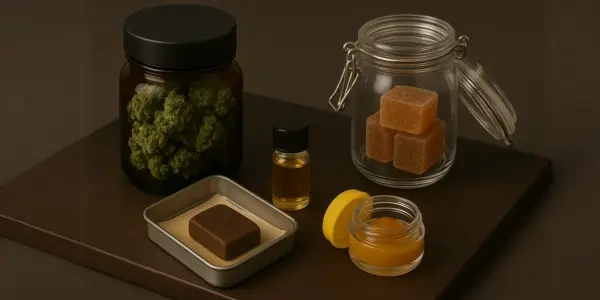
- Flower (weed/bud): with optimal storage you can count on roughly 6 to 12 months of high quality. Some connoisseurs even report longer freshness when everything is truly dialled in.
- Hash & pollen: these pressed forms are often the long-distance runners among cannabis products. One to two years is common, and well-stored hash can hold its potency considerably longer.
- Concentrates (oils, wax, shatter etc.): shelf life here varies. Many high-quality concentrates keep well for a year or even longer with proper storage, but some are more sensitive to environmental influences.
- Edibles (cookies, gummies etc.): here it isn't just the cannabis that matters, but above all the other ingredients. Your best guide is the best-before date of the food components, often just a few weeks to a couple of months.

The 4 main enemies of your cannabis freshness: know them to beat them!
Picture your precious cannabis as having four arch-enemies that are constantly out to get it and drag down its quality. Once you know these culprits and understand their tactics, you're well equipped to keep your green fresh and potent.
Light: the invisible quality killer
UV rays, especially from the sun, are like kryptonite for your cannabis. They relentlessly break down THC and the valuable terpenes responsible for aroma and the specific effect. Light-protected storage is therefore not a nice-to-have but an absolute must if you want to minimise THC breakdown.
Air & oxygen: oxidation on the march
Too much fresh air does your cannabis no favours. Oxygen causes oxidation, a chemical process that also attacks cannabinoids and terpenes. The result: your weed doesn't just turn dry and crumbly, it loses flavour and effect too. Airtight containers are your best allies here.
Temperature: not too hot, not too cold, the happy medium counts
Extreme temperatures are poison for shelf life. Heat speeds up the breakdown of cannabinoids and can evaporate the terpenes. Temperatures that are too cold, especially freezing, can make the delicate trichomes brittle and damage them. A constant, cool room temperature is ideal for storing your cannabis properly.
Humidity: the fine line between drying out and a mould nightmare
Humidity is a balancing act. Too little of it and your buds turn bone-dry and lose their aroma. Too much moisture and you roll out the red carpet for mould spores, which isn't just gross but harmful to health. The art lies in maintaining the optimal humidity.
Storage like a pro: your step-by-step guide to perfect cannabis storage
Now that you know the main opponents, let's get down to business: how do you keep your cannabis so it holds onto its glory for as long as possible? With these tips, proper storage becomes child's play.
The right home: which containers protect your cannabis best?
Choosing the right container is fundamental. Forget thin plastic baggies or open little tins when it comes to long-term freshness.
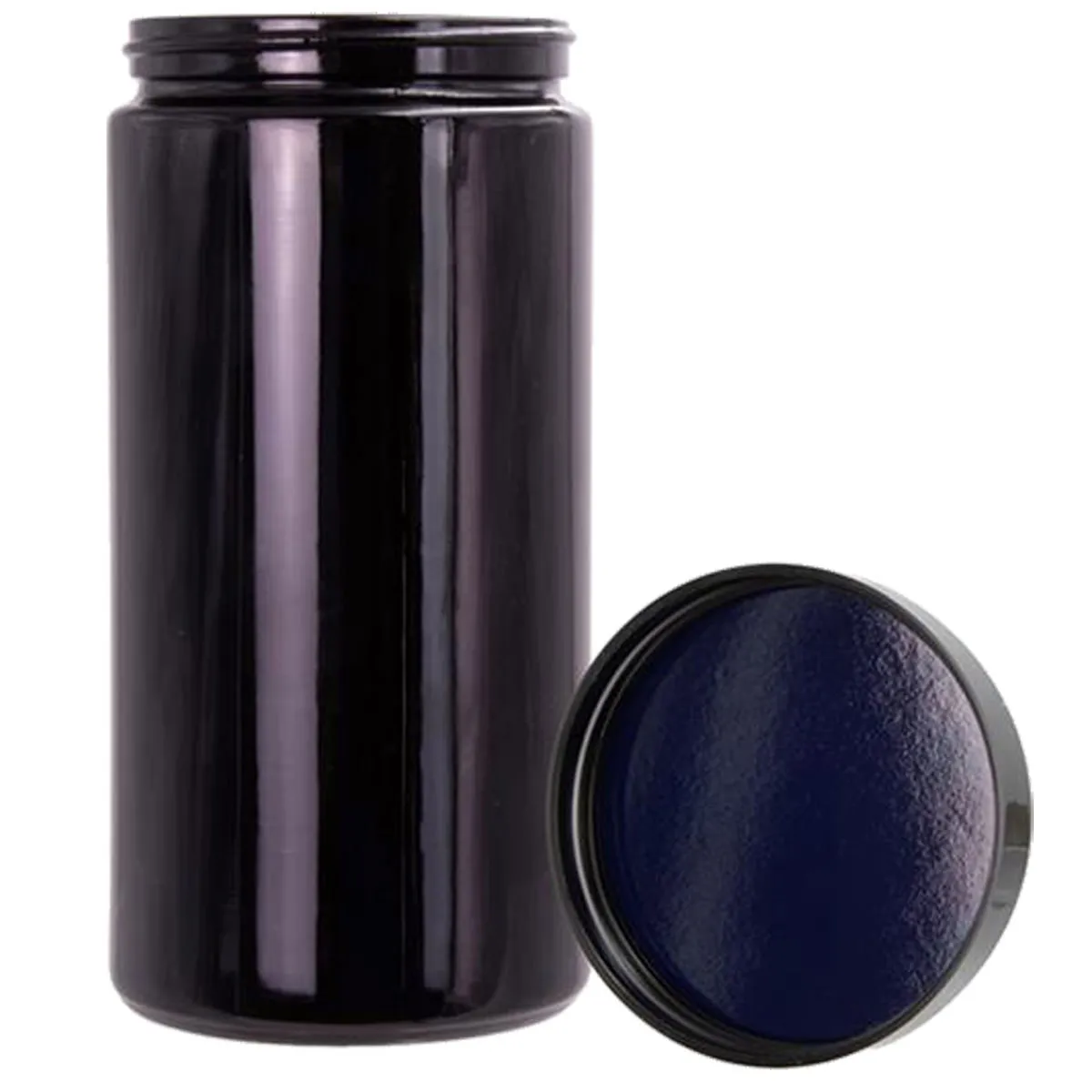
- Glass containers (with a screw-top or clamp lid): the gold standard. Glass is inert (releases no substances), seals airtight and protects optimally. Dark glass (amber, green or violet) is ideal because it also shields against light. Clear jars should be kept in a dark spot.
- Metal containers: also a good option, as long as they're food-safe and airtight. Make sure they don't give off any odours.
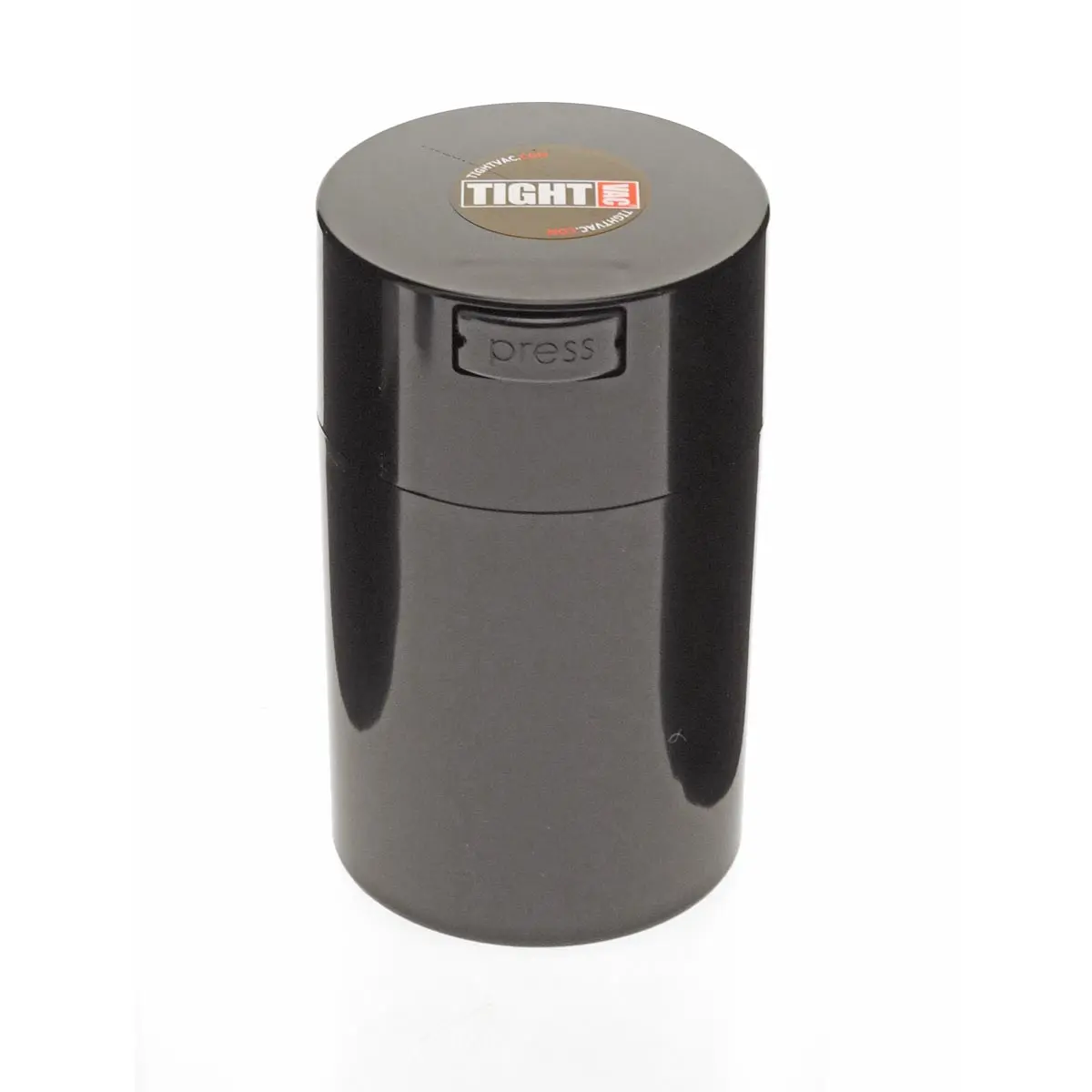
- Vacuum containers: for perfectionists, special vacuum containers can be worth considering, as they minimise oxygen contact. They're usually pricier, though.
- What to avoid: simple ziplock bags are fine for short transport but not for long-term storage, since they're often not 100% airtight and plastic can off-gas over time. Open containers are a no-go.

Cool, dark, constant: finding the ideal storage spot and avoiding no-go zones
The location makes the difference! Look for a place that meets these criteria:
- Cool: ideal temperatures are between 18°C and 20°C. Avoid direct sunlight or proximity to radiators, ovens or other heat sources.
- Dark: a cupboard, a drawer or an opaque box is perfect. The less light, the better.
- Constant: strong temperature swings stress your cannabis and can encourage condensation.
- No-go zones: the bathroom (too humid, plus temperature swings), the windowsill (light and heat) or the attic (often too hot in summer, too cold in winter).
The perfect humidity (58-62%): little helpers like humidity packs, must-have or marketing gimmick?
A relative humidity of roughly 58% to 62% is considered ideal for protecting cannabis flower from drying out without risking mould. This is where so-called humidity packs (e.g. from Boveda or Integra Boost) come in. These are small packs that offer two-way humidity control, releasing moisture when it's too dry and absorbing it when it's too damp.
- ✅ Pro: they can help keep the optimal humidity constant, especially if your ambient air is very dry or very humid. That can have a positive effect on the aroma and consistency of your buds.
- ⚠️ Con/consideration: they cost money and need replacing regularly. For very small amounts with good basic storage they may not be strictly necessary, but they can be a sensible addition. For curing freshly harvested cannabis, though, they're often a big help.
Preparation is everything: why good drying & curing are the basis for long shelf life (briefly explained)
This point is especially relevant if you grow your own or get very fresh cannabis: shelf life doesn't begin in the storage jar but much earlier. Professional drying slowly and gently removes excess moisture. The subsequent curing (maturing in jars over several weeks) breaks down chlorophyll, which improves the flavour, and stabilises the cannabinoids and terpenes. Well-dried and cured cannabis is the best foundation for long, high-quality storage. Poorly dried weed moulds faster, no matter how well you store it afterwards.
Not all the same: the shelf life of different cannabis products in detail
Cannabis isn't just cannabis, and that applies to shelf life too. Depending on processing and consistency, there are differences you should know about.
Cannabis flower (weed/bud): the classic and its quirks
Dried flower is probably the most common form. Its shelf life depends heavily on the density and residual moisture of the buds. Very fluffy, well-dried buds tend to keep better than very dense, possibly still slightly moist ones. The amount of resin glands (trichomes) also plays a role, the more resinous, the better protected the active compounds often are.
Hash & pollen: the robust long-runners among cannabis products?
Hash (pressed resin) and pollen (sifted resin/kief) often have a considerably longer shelf life than flower. Because of the heavy compression, the surface area in contact with oxygen is much smaller. That slows down oxidation substantially. Well-made and properly stored hash can indeed preserve its potency and much of its aroma for years.
Concentrates (dabs, oils, wax & co.): what you need to know about storing them
Cannabis concentrates like shatter, wax, budder or oils are often more sensitive to heat, light and air than flower. Many concentrates should be stored cool (but not necessarily in the fridge, see the myth check) and completely dark. Special small containers made of silicone (for sticky extracts) or glass are common here. The consistency can change over time (e.g. shatter "buddering up"), which isn't always a loss of quality but does affect handling.
Edibles (brownies, gummies & co.) & tinctures: mind the special rules!
With cannabis-infused foods (edibles), shelf life is dictated primarily by the most perishable ingredients. A cannabis brownie won't last longer than a normal brownie, often shorter, since preparation can affect stability. Always check the best-before date of the foods used and store them accordingly (usually cool and dry). Cannabis tinctures, especially alcohol-based ones, can on the other hand keep for a very long time, as alcohol acts as a preservative. Stored dark and cool, they often last several years.
Smells odd, looks strange? How to tell your cannabis is past its prime
Trusting the timelines is good, but your senses are even better advisers when it comes to judging the freshness of your cannabis. If you're unsure whether your weed has gone off or already lost its effect, watch for these signs:
- Appearance:
- Too dry & crumbly: it almost falls to dust when you touch it.
- Discolouration: instead of rich green or lovely brown and orange tones, you see a washed-out grey or unnaturally dark, almost black patches.
- ⚠️ Mould! The most obvious warning sign. More on that in the next section.
- Smell:
- Loss of aroma: the typical, intense cannabis scent is barely noticeable or gone entirely.
- Musty & earthy: a smell like a damp cellar or old socks is a clear sign something's wrong.
- Ammonia-like: a sharp, chemical smell can point to decomposition.
- Feel:
- Bone-dry: as described above, no elasticity left at all.
- Clammy or damp: if it feels wet, be careful (mould risk!).
- Taste (if you do try it):
- Bland & dull: the characteristic flavour is missing.
- Harsh & scratchy: an unpleasant sensation in the throat when smoking or vaping.
- Effect:
- Noticeably weaker: you barely feel anything, or the effect is different from usual (often more sedating due to the conversion of THC into CBN).
Red alert: mould on cannabis, spot the danger and avoid it at all costs!
This is the point where the fun stops: mould. Mouldy cannabis isn't just unusable, it can also harm your health. That's why it's essential to recognise mould and prevent it.

What does mould on cannabis look like?
Mould can take various forms:
- Cottony, white or greyish coatings: often resembling cobwebs or fine candy-floss threads spreading over the buds or inside them.
- Dark spots: sometimes mould shows up as black or dark-green pinpoint discolourations.
- Powdery coating: genuine mildew can look like a fine, white powder.
- ⚠️ Important: don't confuse mould with the glittering trichomes! Trichomes are the plant's resin glands, look like tiny crystals or little mushroom heads and are a mark of quality. Mould, by contrast, looks dull, fibrous and "dead". When in doubt, better to be one notch too sceptical than not enough.
Health risks:
Inhaling mould spores can lead to respiratory problems, allergic reactions or even infections, especially in people with a weakened immune system.
What to do if you find mould?
The only correct answer: throw it away! Don't try to scrape off the mould or use the cannabis anyway. It's not worth the risk. Improve the storage of your other supplies to avoid future infestation.
Myths, tales & truths: popular cannabis-storage questions fact-checked
Plenty of half-truths and myths circulate around cannabis storage. Time to clear up the most common ones!
Myth 1: storing cannabis in the fridge or freezer, top or flop?
More of a flop! While coolness is good in principle, the fridge carries risks. Constant temperature swings from opening and closing can cause condensation, and where there's condensation, mould feels at home. The freezer is even more problematic: the extremely low temperatures make the trichomes brittle and fragile. With every movement they can fall off, and with them go valuable active compounds and aromas. For long-term storage of, say, fresh harvest material (fresh frozen for extractions) there may be special applications, but for a normal personal stash it's not ideal.
Myth 2: "My weed is bone-dry, can I revive it?"
Yes and no, with caution! There are tricks to add a little moisture back to overly dry cannabis, e.g. by briefly placing a small piece of orange peel or a special terpene shield in the container. But be careful: too much moisture at once can quickly lead to mould! Such methods should only be applied briefly and the result watched closely. Better to prevent drying out from the start with correct storage and, for example, humidity packs. There's no guarantee that aroma and potency will fully return.
Myth 3: "Pre-ground cannabis keeps just as long as whole buds."
Sadly false! As soon as cannabis is ground, its surface area increases dramatically. More surface means more contact with oxygen and light, which speeds up the breakdown of THC and terpenes. So your pre-ground weed will lose aroma and effect faster than whole flower. The best strategy: only ever grind as much as you plan to use in the near future.
Good to know: what legal storage rules can mean for keeping your cannabis
Where private cannabis use is regulated, the law often comes with more than just possession limits, and storage can be part of it. In several countries that have loosened their rules, adults may possess certain amounts and sometimes even grow privately. But with freedom comes responsibility, especially when it comes to storage. A common requirement is that cannabis must be kept out of the reach of children and teenagers. In practice that means: your supply should be stored securely, for example in lockable containers or rooms that minors can't access. Protection against theft, especially with larger amounts, is another aspect worth keeping in mind. So it isn't only about preserving quality but also, potentially, about meeting legal requirements. The rules differ a lot from country to country, so always check what applies where you live. This article is not legal advice and serves general information purposes only.
FAQ, your most important questions about cannabis shelf life (and our answers!)
Here we answer the most common questions about the shelf life of cannabis.
So how long does cannabis really last?
Shelf life varies by product and storage: flower keeps about 6-12 months under optimal conditions, hash often 1-2 years or more, and concentrates around a year or longer. For edibles, shelf life depends heavily on the other food ingredients.
💡 Tip: consistently sticking to the optimal storage conditions (cool, dark, dry, airtight) is the key to maximising shelf life.
Can weed expire or go bad?
Yes, cannabis can lose quality over time. It loses potency and aroma as the active compounds break down and terpenes evaporate. With improper storage, especially too much humidity, it can also go mouldy and become unusable and harmful to health.
Does weed lose its effect over time?
Yes, the effect of weed can change and weaken over time. The main active compound THC gradually breaks down into CBN (cannabinol). CBN has a weaker psychoactive effect and can be more sedating. The loss of terpenes, which shape the overall effect profile, also contributes to the change.
What's the main reason cannabis loses its effect?
The primary reason is the breakdown of cannabinoids, especially the conversion of THC into CBN through oxidation. This process is accelerated by external factors such as light (above all UV rays), atmospheric oxygen, excessive temperatures and improper humidity. The loss of terpenes also plays a part in the altered effect profile.
Is old cannabis dangerous?
If cannabis shows signs of mould, it is definitely harmful to health and should not be consumed. Old cannabis that has merely lost potency and aroma but shows no signs of mould is usually not directly dangerous. The enjoyment and the desired effect can, however, be heavily impaired.
How do I store my cannabis best?
Above all, keep it out of the reach of children, e.g. in lockable containers, and protect it from unauthorised access. You'll find the details further up in this article.
Conclusion: enjoy your cannabis longer, no witchcraft with the right know-how!
As you can see, storing your cannabis properly isn't rocket science, but there are a few basics you should follow to get the maximum freshness, aroma and potency for however long you want your cannabis to last. From choosing the right container to controlling temperature and humidity to knowing the local rules, with the tips from this guide you're well prepared.
Invest a little time and care in storage, and your cannabis will thank you with long-lasting quality. That way you make sure every moment of enjoyment is as fresh and intense as possible.
Related products
Cannabis Haltbarkeit: Dein ultimativer Guide für langanhaltende Frische & Potenz
Endlich ist es so weit – vielleicht hältst du gerade deine erste legale Ernte in den Händen oder hast dir einen kleinen Vorrat zugelegt, seitdem das neue Cannabisgesetz (CanG) in Deutschland neue Türen geöffnet hat. Doch mit dem Besitz kommt auch die Frage: Wie sorge ich dafür, dass mein Cannabis seine Qualität behält? Denn nichts ist ärgerlicher, als wenn Aroma und Wirkung vorzeitig das Zeitliche segnen. Keine Sorge, du bist hier genau richtig! Dieser Guide ist dein Kompass durch den Dschungel der Cannabis-Haltbarkeit. Wir klären nicht nur, wie lange Cannabis haltbar ist, sondern zeigen dir auch, wie du durch clevere Cannabis-Haltbarkeit-Maßnahmen das Beste aus deinen Blüten, Haschisch oder Edibles herausholst und was das neue Gesetz für deine Vorratshaltung bedeutet. Von der idealen Lagerung bis zum Erkennen von Anzeichen, dass dein Gras vielleicht schon bessere Tage gesehen hat – hier findest du alle Antworten.
Die schnelle Antwort für Ungeduldige: So lange hält sich dein Cannabis im Schnitt
Du willst es kurz und knackig wissen? Verständlich! Die Haltbarkeit deines Cannabis hängt stark von der Produktart und natürlich von den Lagerbedingungen ab. Hier eine Faustregel, wie lange sich dein Cannabis im Durchschnitt frisch hält, wenn du alles richtig machst:
- Blüten (Weed/Gras): Bei optimaler Lagerung kannst du mit etwa 6 bis 12 Monaten rechnen, in denen die Qualität hoch bleibt. Manche Connaisseure berichten sogar von längerer Frische, wenn wirklich alles passt.
- Haschisch & Pollinate: Diese gepressten Formen sind oft die Langstreckenläufer unter den Cannabisprodukten. Ein bis zwei Jahre sind häufig drin, gut gelagertes Haschisch kann seine Potenz sogar noch deutlich länger bewahren.
- Konzentrate (Öle, Wachs, Shatter etc.): Die Haltbarkeit hier ist variabel. Viele hochwertige Konzentrate halten sich bei richtiger Lagerung gut ein Jahr oder sogar länger, sind aber teils empfindlicher gegenüber Umwelteinflüssen.
- Edibles (Kekse, Gummibärchen etc.): Hier spielt nicht nur das Cannabis eine Rolle, sondern vor allem die anderen Zutaten. Orientiere dich am besten am Mindesthaltbarkeitsdatum der Lebensmittelkomponenten – oft sind das nur einige Wochen bis wenige Monate.
Die 4 Hauptfeinde deiner Cannabis-Frische: Kenne sie, um sie zu besiegen!
Stell dir vor, dein wertvolles Cannabis hat vier Erzfeinde, die ihm ständig an den Kragen wollen und seine Qualität mindern. Wenn du diese Übeltäter kennst und ihre Taktiken verstehst, bist du bestens gerüstet, um dein Grünzeug frisch und potent zu halten.
Licht: Der unsichtbare Qualitätskiller
UV-Strahlen, insbesondere die der Sonne, sind wie Kryptonit für dein Cannabis. Sie zersetzen unaufhaltsam THC und die wertvollen Terpene, die für Aroma und die spezifische Wirkung verantwortlich sind. Eine lichtgeschützte Aufbewahrung ist daher kein "Nice-to-have", sondern ein absolutes Muss, wenn du den THC-Abbau minimieren willst.
Luft & Sauerstoff: Oxidation im Anmarsch
Zu viel frische Luft tut deinem Cannabis nicht gut. Sauerstoff führt zur Oxidation, einem chemischen Prozess, der ebenfalls Cannabinoide und Terpene angreift. Das Ergebnis: Dein Gras wird nicht nur trocken und bröselig, sondern verliert auch an Geschmack und Wirkung. Luftdichte Behälter sind hier deine besten Verbündeten.
Temperatur: Nicht zu heiß, nicht zu kalt – die goldene Mitte zählt
Extreme Temperaturen sind Gift für die Haltbarkeit. Hitze beschleunigt den Abbau von Cannabinoiden und kann die Terpene verdampfen lassen. Zu kalte Temperaturen, vor allem im Gefrierbereich, können die empfindlichen Trichome spröde machen und beschädigen. Eine konstante, kühle Raumtemperatur ist ideal, um dein Cannabis richtig zu lagern.
Feuchtigkeit: Der schmale Grat zwischen Austrocknung und Schimmel-Albtraum
Das Thema Feuchtigkeit ist ein Balanceakt. Zu wenig davon, und deine Buds werden staubtrocken und verlieren ihr Aroma. Zu viel Feuchtigkeit, und du öffnest Schimmelsporen Tür und Tor – und das ist nicht nur eklig, sondern auch gesundheitsschädlich. Die Kunst liegt darin, die optimale Luftfeuchtigkeit zu halten.
Meisterhaft lagern: Deine Schritt-für-Schritt-Anleitung zur perfekten Cannabis-Aufbewahrung
Nachdem du nun die Hauptgegner kennst, geht es ans Eingemachte: Wie verwahrst du dein Cannabis so, dass es seine Pracht möglichst lange behält? Mit diesen Tipps wird die fachgerechte Lagerung zum Kinderspiel.
Das richtige Zuhause: Welche Behälter schützen dein Cannabis am besten?
Die Wahl des richtigen Behälters ist fundamental. Vergiss dünne Plastiktütchen oder offene Döschen, wenn es um Langzeitfrische geht.
- Glasbehälter (mit Schraub- oder Bügelverschluss): Sie sind der Goldstandard. Glas ist inert (gibt keine Stoffe ab), lässt sich luftdicht verschließen und schützt optimal. Ideal sind dunkle Gläser (Braun-, Grün- oder Violettglas), da sie zusätzlich vor Licht schützen. Klare Gläser sollten an einem dunklen Ort stehen.
- Metallbehälter: Auch eine gute Option, solange sie lebensmittelecht und luftdicht sind. Achte darauf, dass sie keine Gerüche abgeben.
- Vakuumbehälter: Für Perfektionisten können spezielle Vakuumbehälter eine Überlegung wert sein, da sie den Sauerstoffkontakt minimieren. Sie sind aber meist teurer.
- Was du meiden solltest: Einfache Ziplock-Beutel sind für kurze Transporte okay, aber nicht für die Dauerlagerung, da sie oft nicht 100% luftdicht sind und Plastik mit der Zeit ausdünsten kann. Offene Behälter sind ein No-Go.
Cool, dunkel, konstant: Den idealen Lagerort finden und No-Go-Zonen meiden
Der Ort macht den Unterschied! Suche einen Platz, der folgende Kriterien erfüllt:
- Kühl: Ideal sind Temperaturen zwischen 18°C und 20°C. Vermeide direkte Sonneneinstrahlung oder die Nähe zu Heizkörpern, Öfen oder anderen Wärmequellen.
- Dunkel: Ein Schrank, eine Schublade oder eine blickdichte Kiste sind perfekt. Je weniger Licht, desto besser.
- Konstant: Starke Temperaturschwankungen stressen dein Cannabis und können Kondensation fördern.
- No-Go-Zonen: Das Badezimmer (zu feucht und Temperaturschwankungen), die Fensterbank (Licht und Wärme) oder der Dachboden (oft zu heiß im Sommer, zu kalt im Winter).
Die perfekte Luftfeuchtigkeit (58-62%): Helferlein wie Humidity Packs – Must-have oder Marketing-Gag?
Eine relative Luftfeuchtigkeit von etwa 58% bis 62% gilt als ideal, um Cannabisblüten vor Austrocknung zu schützen, ohne Schimmelbildung zu riskieren. Hier kommen sogenannte Humidity Packs (z.B. von Boveda oder Integra Boost) ins Spiel. Das sind kleine Päckchen, die eine 2-Wege-Feuchtigkeitskontrolle bieten – sie geben Feuchtigkeit ab, wenn es zu trocken ist, und nehmen sie auf, wenn es zu feucht wird.
- ✅ Pro: Sie können helfen, die optimale Feuchtigkeit konstant zu halten, besonders wenn deine Umgebungsluft sehr trocken oder feucht ist. Das kann Aroma und Konsistenz deiner Buds positiv beeinflussen.
- ⚠️ Contra/Überlegung: Sie kosten Geld und müssen regelmäßig ausgetauscht werden. Bei sehr kleinen Mengen und guter Grundlagerung sind sie vielleicht nicht zwingend nötig, können aber eine sinnvolle Ergänzung sein. Für das Curing (Aushärten) von frisch geerntetem Cannabis sind sie jedoch oft eine große Hilfe.
Vorbereitung ist alles: Warum gutes Trocknen & Curing die Basis für lange Haltbarkeit sind (Kurz erklärt)
Dieser Punkt ist besonders relevant, wenn du selbst anbaust oder sehr frisches Cannabis bekommst: Die Haltbarkeit beginnt nicht erst im Lagerbehälter, sondern schon viel früher. Eine professionelle Trocknung entfernt überschüssige Feuchtigkeit langsam und schonend. Das anschließende Curing (Aushärten in Gläsern über mehrere Wochen) baut Chlorophyll ab, was den Geschmack verbessert, und stabilisiert die Cannabinoide und Terpene. Ein gut getrocknetes und gecuretes Cannabis ist die beste Voraussetzung für eine lange und qualitativ hochwertige Lagerfähigkeit. Schlecht getrocknetes Gras schimmelt schneller, egal wie gut du es danach lagerst.
Nicht alles gleich: Die Haltbarkeit verschiedener Cannabis-Produkte im Detail
Cannabis ist nicht gleich Cannabis, und das gilt auch für die Lagerfähigkeit. Je nach Verarbeitung und Konsistenz gibt es Unterschiede, die du kennen solltest.
Cannabisblüten (Weed/Gras): Der Klassiker und seine Tücken
Getrocknete Blüten sind die wohl gängigste Form. Ihre Haltbarkeit hängt stark von der Dichte und Restfeuchte der Buds ab. Sehr fluffige, gut getrocknete Buds halten sich tendenziell besser als sehr dichte, möglicherweise noch leicht feuchte Exemplare. Die Menge an Harzdrüsen (Trichomen) spielt ebenfalls eine Rolle – je harziger, desto besser sind die Wirkstoffe oft geschützt.
Haschisch & Pollinate: Die robusten Langläufer unter den Cannabisprodukten?
Haschisch (gepresstes Harz) und Pollinate (gesiebtes Harz/Kief) haben oft eine deutlich längere Haltbarkeit als Blüten. Durch die starke Komprimierung ist die Oberfläche, die mit Sauerstoff in Kontakt kommt, viel geringer. Das verlangsamt Oxidationsprozesse erheblich. Gut gemachtes und richtig gelagertes Haschisch kann tatsächlich über Jahre hinweg seine Potenz und einen Großteil seines Aromas bewahren.
Konzentrate (Dabs, Öle, Wachs & Co.): Was du über ihre Lagerung wissen musst
Cannabiskonzentrate wie Shatter, Wax, Budder oder Öle sind oft empfindlicher gegenüber Wärme, Licht und Luft als Blüten. Viele Konzentrate sollten kühl (aber nicht unbedingt im Kühlschrank, siehe Mythen-Check) und absolut dunkel gelagert werden. Spezielle kleine Behälter aus Silikon (für klebrige Extrakte) oder Glas sind hier üblich. Die Konsistenz kann sich über die Zeit verändern (z.B. "Buddering up" bei Shatter), was nicht immer ein Qualitätsverlust sein muss, aber die Handhabung beeinflusst.
Edibles (Brownies, Gummibärchen & Co.) & Tinkturen: Besondere Regeln beachten!
Bei Cannabis-infundierten Lebensmitteln (Edibles) richtet sich die Haltbarkeit primär nach den verderblichsten Zutaten. Ein Cannabis-Brownie wird nicht länger haltbar sein als ein normaler Brownie – oft sogar kürzer, da die Zubereitung die Stabilität beeinflussen kann. Achte hier unbedingt auf das Mindesthaltbarkeitsdatum der verwendeten Lebensmittel und lagere sie entsprechend (meist kühl und trocken). Cannabis-Tinkturen, besonders solche auf Alkoholbasis, können hingegen sehr lange haltbar sein, da Alkohol konservierend wirkt. Dunkel und kühl gelagert, halten sie oft mehrere Jahre.
Riecht komisch, sieht seltsam aus? So erkennst du, dass dein Cannabis "drüber" ist
Dein Vertrauen in Zeitangaben ist gut, aber deine Sinne sind noch bessere Ratgeber, wenn es darum geht, die Frische deines Cannabis zu beurteilen. Wenn du unsicher bist, ob dein Gras schlecht werden kann oder bereits seine Wirkung verloren hat, achte auf folgende Anzeichen:
- Aussehen:
- Zu trocken & bröselig: Es zerfällt fast zu Staub, wenn du es anfasst.
- Verfärbungen: Statt sattem Grün oder schönen Braun- und Orangetönen siehst du ein ausgeblichenes Grau oder unnatürlich dunkle, fast schwarze Stellen.
- ⚠️ Schimmel! Das offensichtlichste Warnsignal. Mehr dazu im nächsten Abschnitt.
- Geruch:
- Aromaverlust: Der typische, intensive Cannabisduft ist kaum noch wahrnehmbar oder komplett verschwunden.
- Muffig & erdig: Ein Geruch wie feuchter Keller oder alte Socken ist ein klares Zeichen, dass etwas nicht stimmt.
- Ammoniak-ähnlich: Ein stechender, chemischer Geruch kann auf Zersetzungsprozesse hindeuten.
- Gefühl:
- Staubtrocken: Wie oben beschrieben, keinerlei Elastizität mehr.
- Klamm oder feucht: Fühlt es sich nass an, ist Vorsicht geboten (Schimmelgefahr!).
- Geschmack (falls du es doch probierst):
- Fade & langweilig: Der charakteristische Geschmack fehlt.
- Scharf & kratzig: Ein unangenehmes Gefühl im Hals beim Rauchen oder Verdampfen.
- Wirkung:
- Deutlich abgeschwächt: Du merkst kaum noch etwas oder die Wirkung ist anders als gewohnt (oft sedierender durch Umwandlung von THC zu CBN).
Alarmstufe Rot: Schimmel auf Cannabis – Gefahr erkennen und unbedingt vermeiden!
Das ist der Punkt, an dem der Spaß aufhört: Schimmel. Verschimmeltes Cannabis ist nicht nur ungenießbar, sondern kann auch deiner Gesundheit schaden. Deshalb ist es essenziell, Schimmel zu erkennen und vorzubeugen.
Wie sieht Schimmel auf Cannabis aus?
Schimmel kann verschiedene Formen annehmen:
- Wattige, weiße oder gräuliche Beläge: Oft ähneln sie Spinnweben oder feinen Zuckerwattefäden, die sich über die Buds oder in ihrem Inneren ausbreiten.
- Dunkle Flecken: Manchmal zeigt sich Schimmel auch als schwarze oder dunkelgrüne punktuelle Verfärbungen.
- Puderiger Belag: Echter Mehltau kann wie ein feiner, weißer Puder aussehen.
- ⚠️ Wichtig: Verwechsle Schimmel nicht mit den glitzernden Trichomen! Trichome sind die Harzdrüsen der Pflanze, sehen aus wie winzige Kristalle oder Pilzköpfchen und sind ein Qualitätsmerkmal. Schimmel hingegen wirkt eher matt, faserig und "tot". Im Zweifel lieber einmal zu viel als zu wenig skeptisch sein.
Gesundheitsrisiken:
Das Einatmen von Schimmelsporen kann zu Atemwegsproblemen, allergischen Reaktionen oder sogar Infektionen führen, besonders bei Menschen mit geschwächtem Immunsystem.
Was tun bei Schimmelbefall?
Die einzig richtige Antwort: Entsorgen! Versuche nicht, den Schimmel abzukratzen oder das Cannabis trotzdem zu verwenden. Das Risiko ist es nicht wert. Sorge für eine bessere Lagerung deiner anderen Vorräte, um zukünftigen Befall zu vermeiden.
Mythen, Märchen & Wahrheiten: Beliebte Fragen zur Cannabis-Lagerung im Faktencheck
Rund um die Cannabis-Lagerung kursieren viele Halbwahrheiten und Mythen. Zeit, mit den gängigsten aufzuräumen!
Mythos 1: Cannabis im Kühlschrank oder Gefrierschrank lagern – Top oder Flop?
Eher Flop! Während Kühle prinzipiell gut ist, birgt der Kühlschrank Risiken. Ständige Temperaturschwankungen beim Öffnen und Schließen können zu Kondensation führen – und wo Kondenswasser ist, fühlt sich Schimmel wohl. Der Gefrierschrank ist noch problematischer: Die extrem niedrigen Temperaturen machen die Trichome spröde und brüchig. Bei jeder Bewegung können sie abfallen, und damit gehen wertvolle Wirkstoffe und Aromen verloren. Für die Langzeitlagerung von z.B. frischem Erntematerial (Fresh Frozen für Extraktionen) mag es spezielle Anwendungen geben, für den normalen Konsumvorrat ist es aber nicht ideal.
Mythos 2: "Mein Gras ist staubtrocken – kann ich es wieder auffrischen?"
Jein, mit Vorsicht! Es gibt Tricks, um zu trockenes Cannabis wieder etwas Feuchtigkeit zuzuführen, z.B. indem man kurz ein Stückchen Orangenschale oder ein spezielles Terpen-Shield mit in den Behälter legt. Aber Vorsicht: Zu viel Feuchtigkeit auf einmal kann schnell zu Schimmel führen! Solche Methoden sollten nur kurz angewendet und das Ergebnis genau beobachtet werden. Besser ist es, von vornherein durch korrekte Lagerung mit z.B. Humidity Packs eine Austrocknung zu verhindern. Eine Garantie, dass Aroma und Potenz vollständig zurückkehren, gibt es nicht.
Mythos 3: "Vorgemahlenes Cannabis hält genauso lange wie ganze Buds."
Leider falsch! Sobald Cannabis gemahlen wird, vergrößert sich seine Oberfläche dramatisch. Mehr Oberfläche bedeutet mehr Kontakt mit Sauerstoff und Licht, was den Abbau von THC und Terpenen beschleunigt. Dein vorgemahlenes Gras wird also schneller an Aroma und Wirkung verlieren als ganze Blüten. Die beste Strategie: Immer nur so viel mahlen, wie du in naher Zukunft verbrauchen möchtest.
Brandaktuell & Wichtig: Was die neue Gesetzeslage in Deutschland (CanG) für deine Cannabis-Lagerung bedeutet
Seit dem 1. April 2024 weht ein neuer Wind in Deutschland, was den Umgang mit Cannabis angeht. Das neue Cannabisgesetz (CanG) erlaubt Erwachsenen den Besitz bestimmter Mengen und sogar den privaten Anbau. Doch mit der Freiheit kommt auch Verantwortung, gerade bei der Aufbewahrung. Das Gesetz schreibt vor, dass Cannabis so gelagert werden muss, dass es vor dem Zugriff durch Kinder und Jugendliche geschützt ist. Das bedeutet konkret: Deine Vorräte müssen sicher verwahrt werden, beispielsweise in abschließbaren Behältern oder Räumen, zu denen Minderjährige keinen Zugang haben. Auch der Schutz vor Diebstahl, gerade bei größeren Mengen aus Eigenanbau oder aus Anbauvereinigungen, ist ein Aspekt, den du im Hinterkopf behalten solltest. Es geht also nicht nur darum, die Qualität zu erhalten, sondern auch darum, gesetzliche Vorgaben zu erfüllen. Dieser Artikel stellt keine Rechtsberatung dar, sondern dient der allgemeinen Information.
FAQ – Deine wichtigsten Fragen zur Cannabis-Haltbarkeit (und unsere Antworten!)
Hier beantworten wir die häufigsten Fragen rund um die Haltbarkeit von Cannabis.
Wie lange ist Cannabis nun wirklich haltbar?
Die Haltbarkeit variiert je nach Produkt und Lagerung: Blüten halten sich bei optimalen Bedingungen etwa 6-12 Monate, Haschisch oft 1-2 Jahre oder länger, und Konzentrate circa 1 Jahr oder mehr. Bei Edibles hängt die Haltbarkeit stark von den weiteren Lebensmittelzutaten ab.
💡 Tipp: Eine konsequente Einhaltung der optimalen Lagerbedingungen (kühl, dunkel, trocken, luftdicht) ist der Schlüssel zur Maximierung der Haltbarkeit.
Kann Gras ablaufen oder schlecht werden?
Ja, Cannabis kann mit der Zeit an Qualität verlieren. Es verliert an Potenz und Aroma, da sich die Wirkstoffe abbauen und Terpene verflüchtigen. Bei unsachgemäßer Lagerung, insbesondere bei zu hoher Feuchtigkeit, kann es zudem schimmeln und dadurch ungenießbar und gesundheitsschädlich werden.
Verliert Gras mit der Zeit seine Wirkung?
Ja, die Wirkung von Gras kann sich mit der Zeit verändern und abschwächen. Der Hauptwirkstoff THC wird allmählich zu CBN (Cannabinol) abgebaut. CBN hat eine geringere psychoaktive Wirkung und kann eher sedierend wirken. Auch der Verlust von Terpenen, die das gesamte Wirkspektrum beeinflussen, trägt zur Veränderung der Wirkung bei.
Was ist der Hauptgrund für den Wirkungsverlust bei Cannabis?
Der primäre Grund für den Wirkungsverlust ist der Abbau der Cannabinoide, insbesondere die Umwandlung von THC zu CBN durch Oxidation. Dieser Prozess wird durch äußere Einflüsse wie Licht (vor allem UV-Strahlen), Luftsauerstoff, zu hohe Temperaturen und unsachgemäße Luftfeuchtigkeit beschleunigt. Auch der Verlust von Terpenen spielt eine Rolle für das veränderte Wirkungsprofil.
Ist altes Cannabis gefährlich?
Wenn Cannabis Anzeichen von Schimmelbefall aufweist, ist es definitiv gesundheitsschädlich und sollte nicht konsumiert werden. Altes Cannabis, das lediglich an Potenz und Aroma verloren hat, aber keine Schimmelanzeichen zeigt, ist in der Regel nicht direkt gefährlich. Der Genussfaktor und die gewünschte Wirkung können jedoch stark beeinträchtigt sein.
Wie lagere ich mein Cannabis am besten?
Wichtig ist vor allem die kindersichere Aufbewahrung, z.B. in abschließbaren Behältern, und der Schutz vor dem Zugriff durch Unbefugte. Details findest du weiter oben im Artikel.
Fazit: Länger Freude an deinem Cannabis – mit dem richtigen Know-how kein Hexenwerk!
Wie du siehst, ist die richtige Lagerung deines Cannabis keine Raketenwissenschaft, aber ein paar grundlegende Dinge solltest du beachten, um wie lange auch immer dein Cannabis haltbar sein soll, das Maximum an Frische, Aroma und Potenz herauszuholen. Von der Wahl des richtigen Behälters über die Kontrolle von Temperatur und Feuchtigkeit bis hin zum Wissen um die neue Gesetzeslage – mit den Tipps aus diesem Guide bist du bestens gewappnet.
Investiere ein wenig Zeit und Sorgfalt in die Aufbewahrung, und dein Cannabis wird es dir mit langanhaltender Qualität danken. So stellst du sicher, dass jeder Moment des Genusses so frisch und intensiv ist wie möglich.