
Rolling a Joint Made Easy: The Perfect Step-by-Step Guide
Weed Wissen
- Your first perfect joint: the detailed step-by-step guide
- Gear guide: what you need to roll a joint (overview)
- Help, my joint burns crooked! Troubleshooting common rolling problems
- Golden rules & tips for beginners at rolling
- Mix or pure? Tobacco & herbal alternatives
- For the curious: a look beyond the standard joint
- Good to know: dosing, responsibility & legal notes
- FAQ: frequently asked questions about rolling a joint
- Conclusion: your path to the perfect hand-rolled joint
Related products
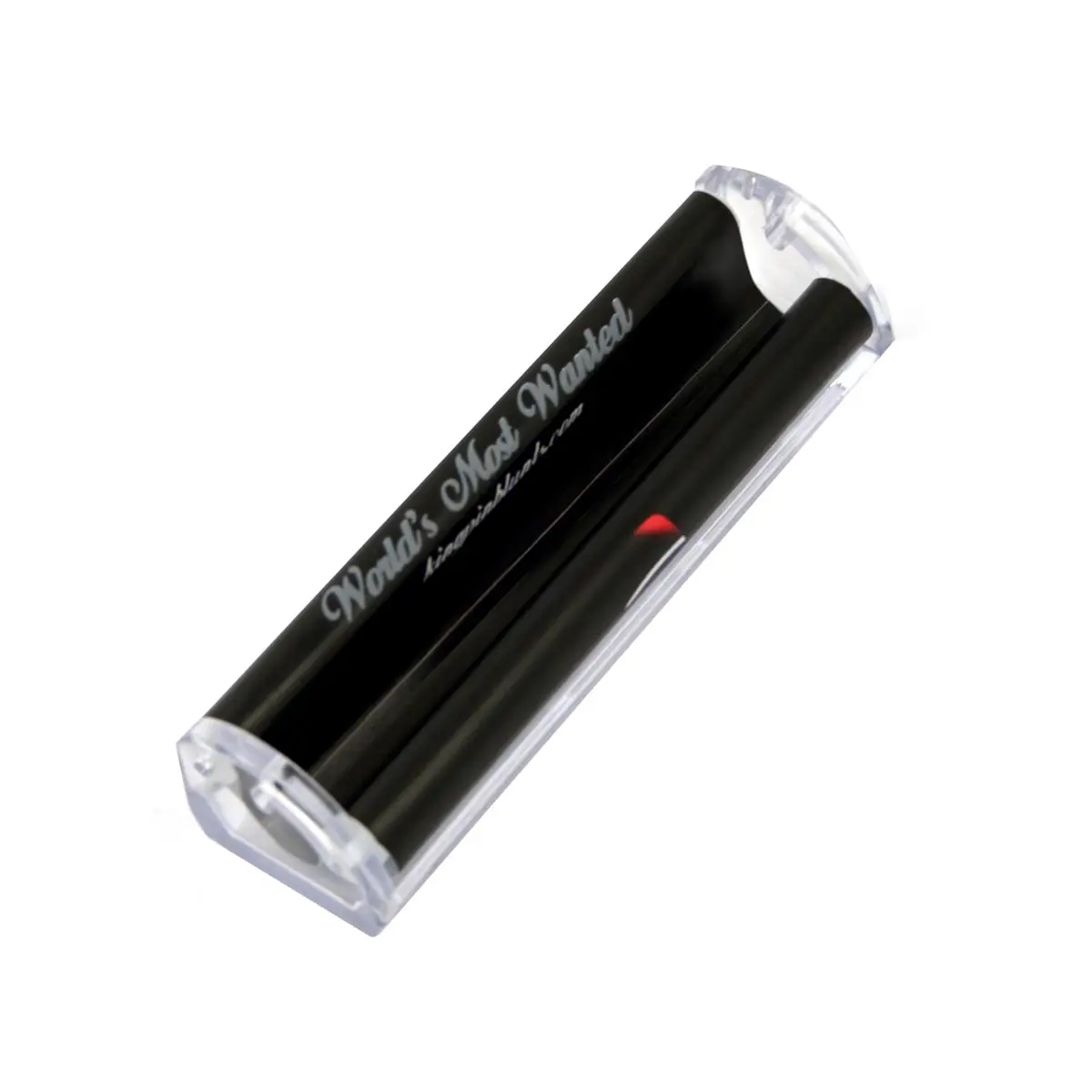
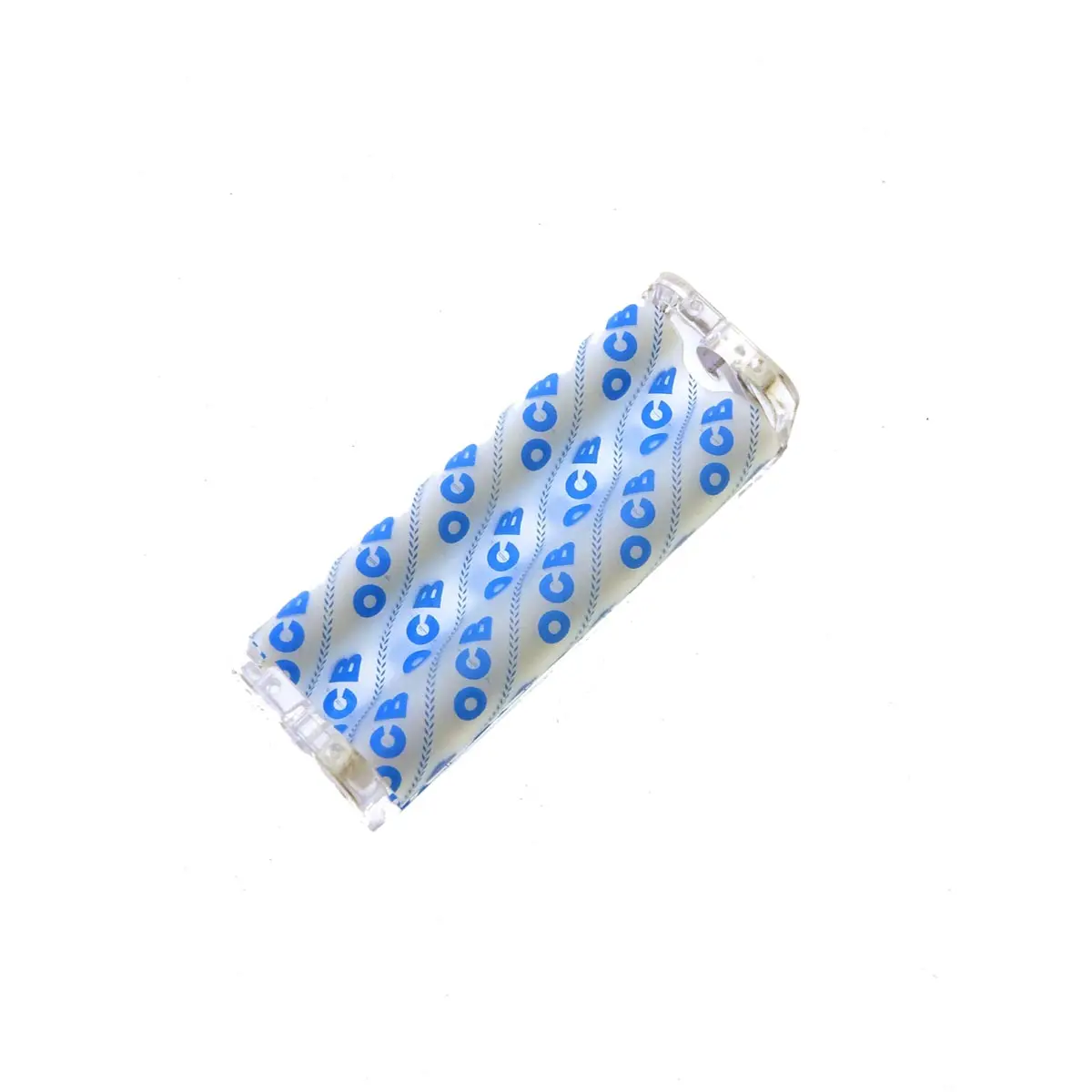
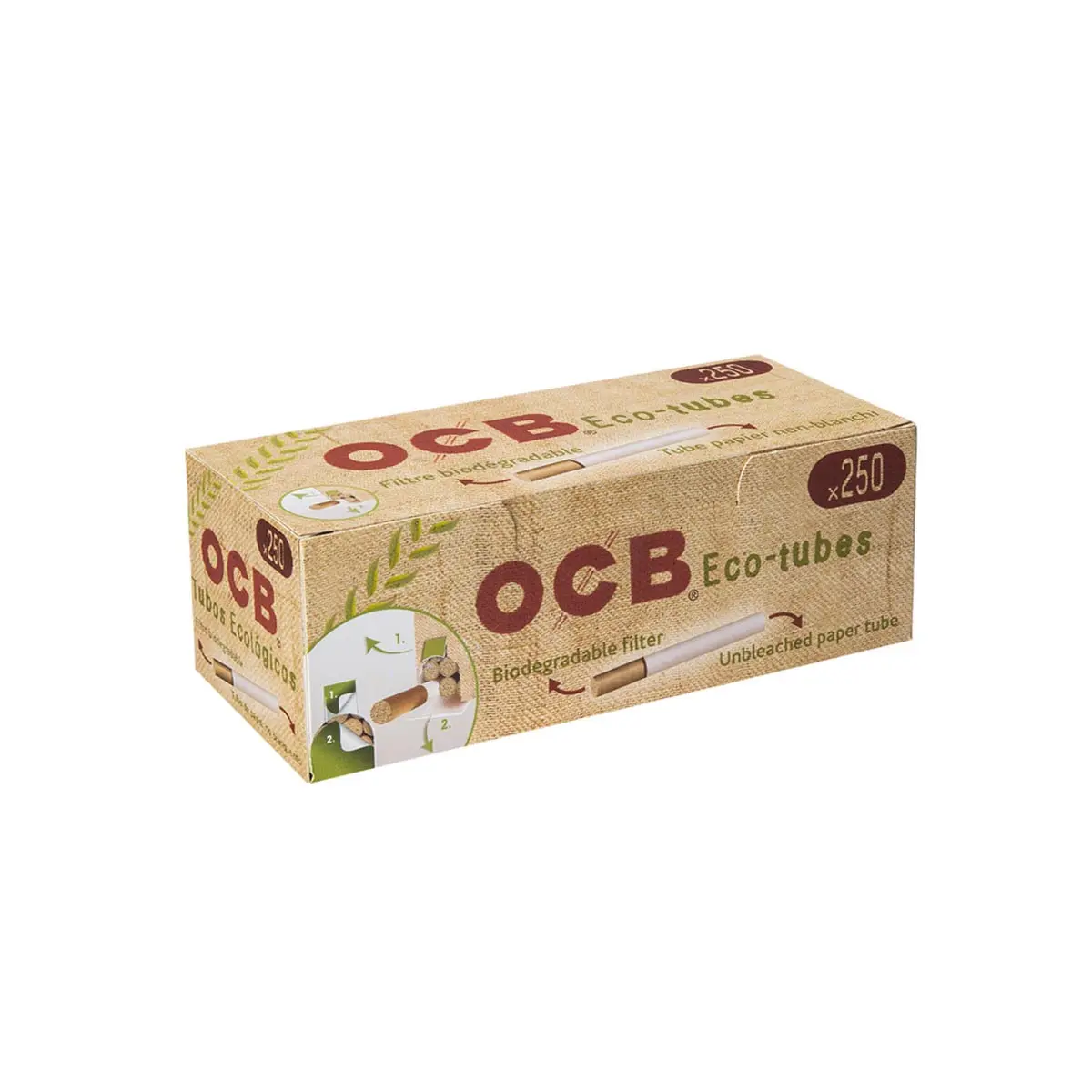
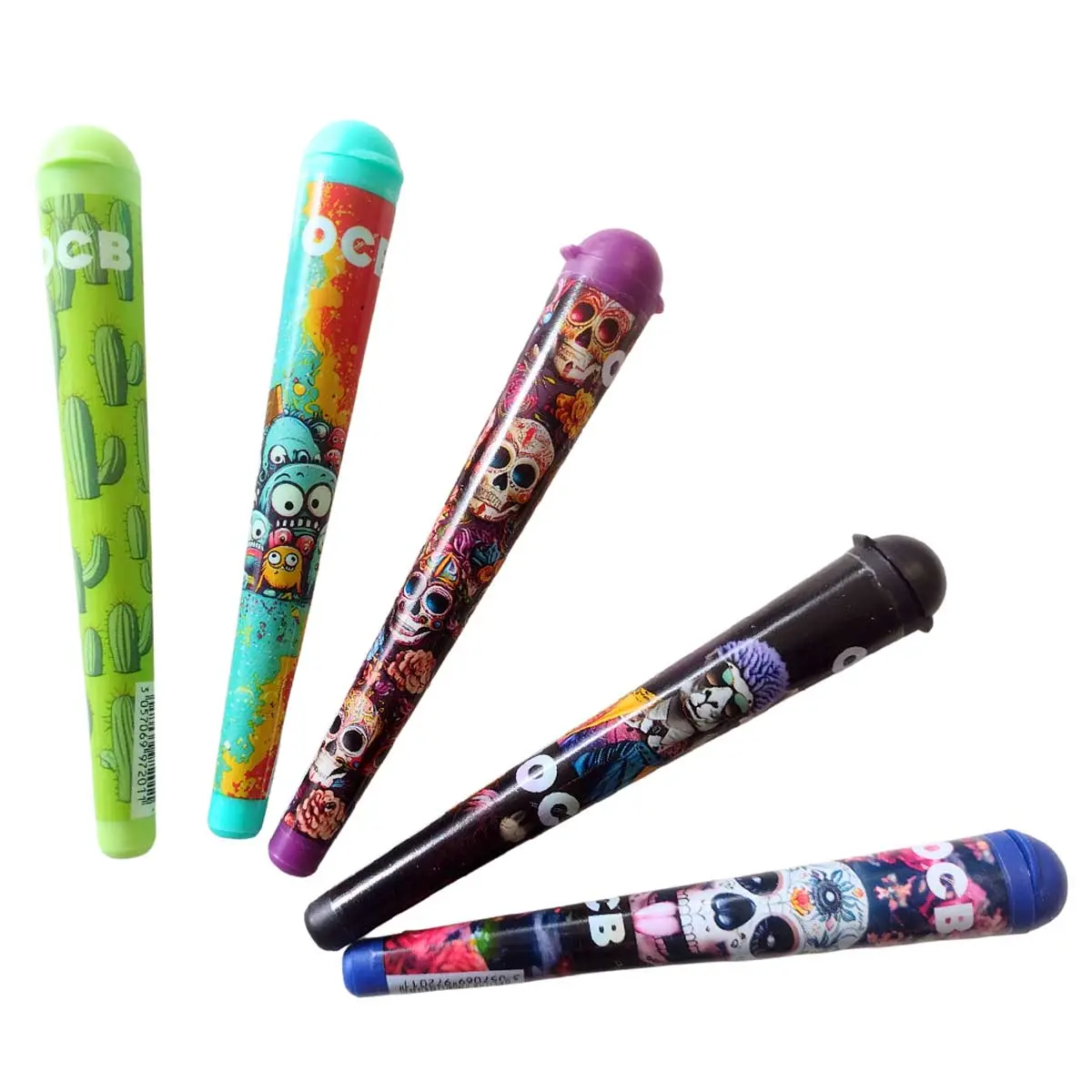
💡 The key points at a glance:
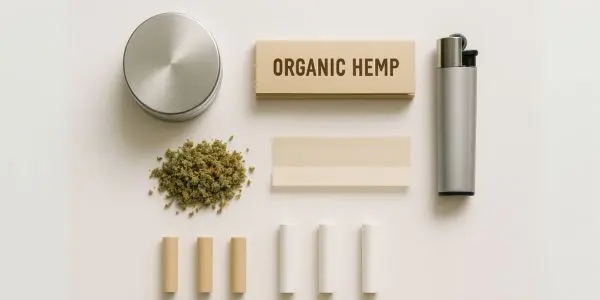
- What you need: your cannabis of choice, a grinder, rolling papers and a filter or tip. That's the basic kit.
- The 5 core steps (simplified): 1. grind the cannabis. 2. prepare & insert the filter. 3. fill the paper. 4. shape & roll. 5. seal & gently pack.
- Golden rule: patience is your best friend. Nobody rolls perfectly the first time. Practice gets you there!
Your first perfect joint: the detailed step-by-step guide
Now let's get into the detail. With this precise joint-rolling guide, we break the process into easy-to-follow stages. Just follow these steps and your first good joint is within reach.

Step 1: preparation, everything within reach?
Good preparation is half the battle when rolling your own joint. Take a moment to gather everything you need.
- Cannabis check: is your weed rather dry and crumbly or sticky and resinous? That affects how finely you should grind it and how it behaves in the paper.
- Grind, don't powder: put your flower in the grinder and grind it to an even but not dust-fine consistency. Powder that's too fine can block the airflow. Aim for a fluffy mass that burns well.
- Set up your workspace: a clean, smooth surface is essential. A rolling tray not only catches crumbs but also helps you keep everything organized.
- Prepare the filter/tip: fold your cardboard tip (you'll find a simple folding technique in the gear section) or have an activated-carbon filter ready.

Step 2: filling, even is everything
Now your prepared material comes into play. Care at this step prevents trouble later.
- Position the paper: take a single paper from the pack and place it with the glue strip facing up and toward you on your surface, or hold it in your hand. The crease in the paper forms a small trough.
- Insert the filter: place your prepared filter or tip at one end of the paper, right in the crease. It gives you support and orientation later while rolling.
- Distribute the cannabis: put the ground cannabis into the trough of the paper. Start at the filter and spread it as evenly as possible to the other end. For the classic, slightly conical shape, put a little less at the filter and a bit more toward the open end. Be careful not to build "peaks" or "valleys", evenness is the key to a good burn.
- Mixing? (optional): if you're mixing, now distribute tobacco or alternatives evenly.

Step 3: shaping, mastering the roll
This is the moment that often intimidates beginners, but no worries, it's purely a matter of practice.
- Pick up & cradle: carefully lift the filled paper with both hands, thumbs at the front and index fingers at the back.
- The "cradle" motion: now gently roll the paper back and forth between thumbs and index fingers. This slightly compacts the material and gives it the cylindrical or conical shape of the joint.
- Build tension: apply gentle, even pressure as you do. The goal is a firm but not overly compact roll that holds its shape. The filter serves as a stable anchor point.

Step 4: the "tuck & seal", closing it properly
The decisive moment: the paper is rolled around the material and sealed.
- Tuck the front edge: once the material is well shaped, focus on the paper edge facing you (the one without the glue strip). Gently push this edge behind the shaped cannabis with your thumbs so it sits snug. Best to start right at the filter, as it gives stability.
- Roll: with the edge tucked, roll the joint away from you with your thumbs so the paper wraps around itself. Keep rolling until only the glue strip is visible on top.
- Moisten (don't drown!): now lightly moisten the glue strip with the tip of your tongue. Too much moisture softens the paper and can make it tear.
- Seal: press the moistened glue strip firmly onto the joint and smooth it down. Hold it briefly so the glue sets.

Step 5: the finish, packing & perfecting
Almost there! A few final touches ensure the best smoke.
- Pack (with feel!): look into the open end. If the material is very loose, gently pack it down with a thin object (a pen, a Clipper flint, etc.). This ensures an even burn. But careful: packed too tight and the joint won't draw!
- Close: you can now lightly twist the open end ("twist it shut") to prevent spillage and make lighting easier.
- Quality check: roll the finished joint between your fingers. Does it feel evenly firm? A well-built joint is stable but not rock-hard.

Gear guide: what you need to roll a joint (overview)
The right tools make the job easier. Here's a quick overview of the essentials, for details and the full range, check out our categories!
Papers, more than just a wrap
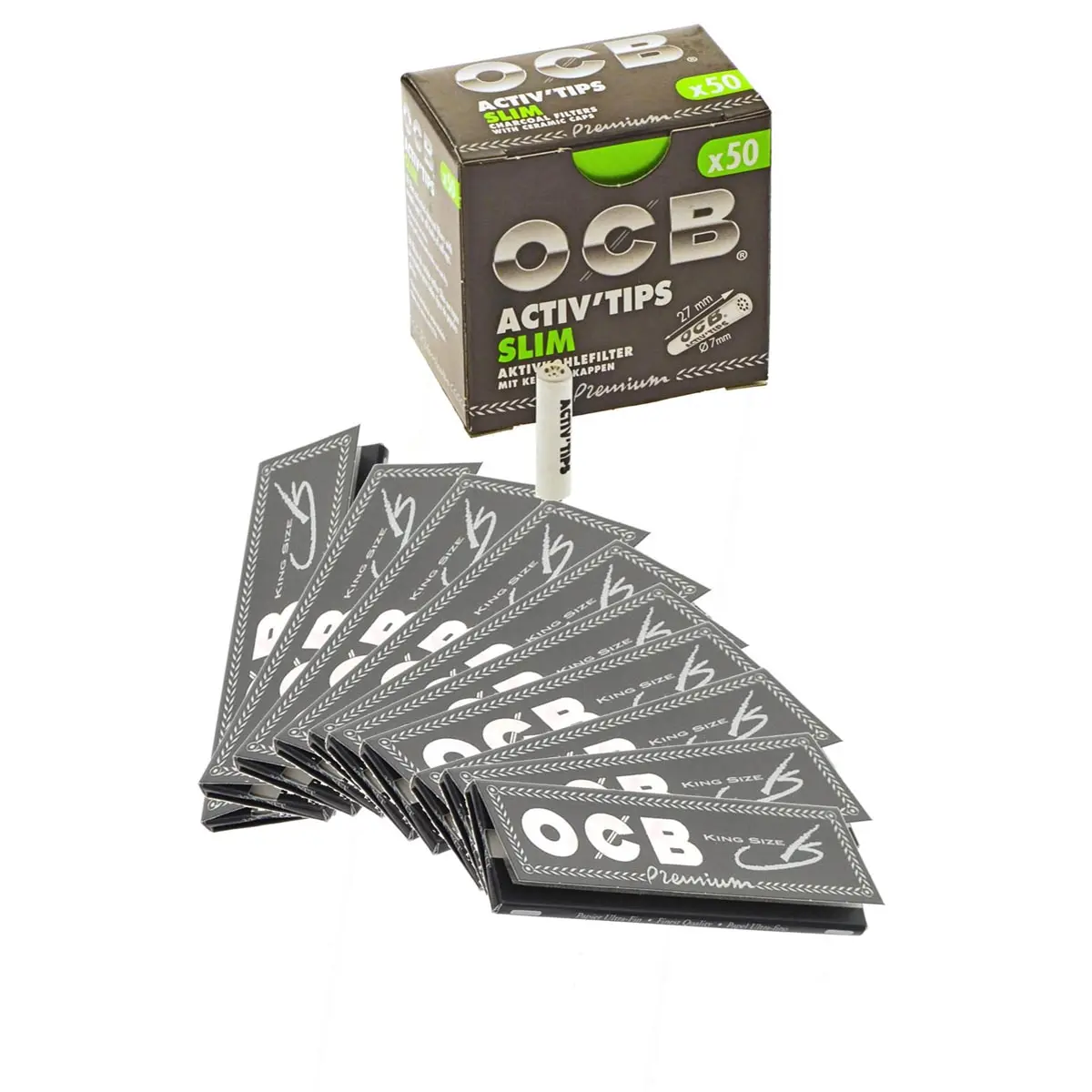
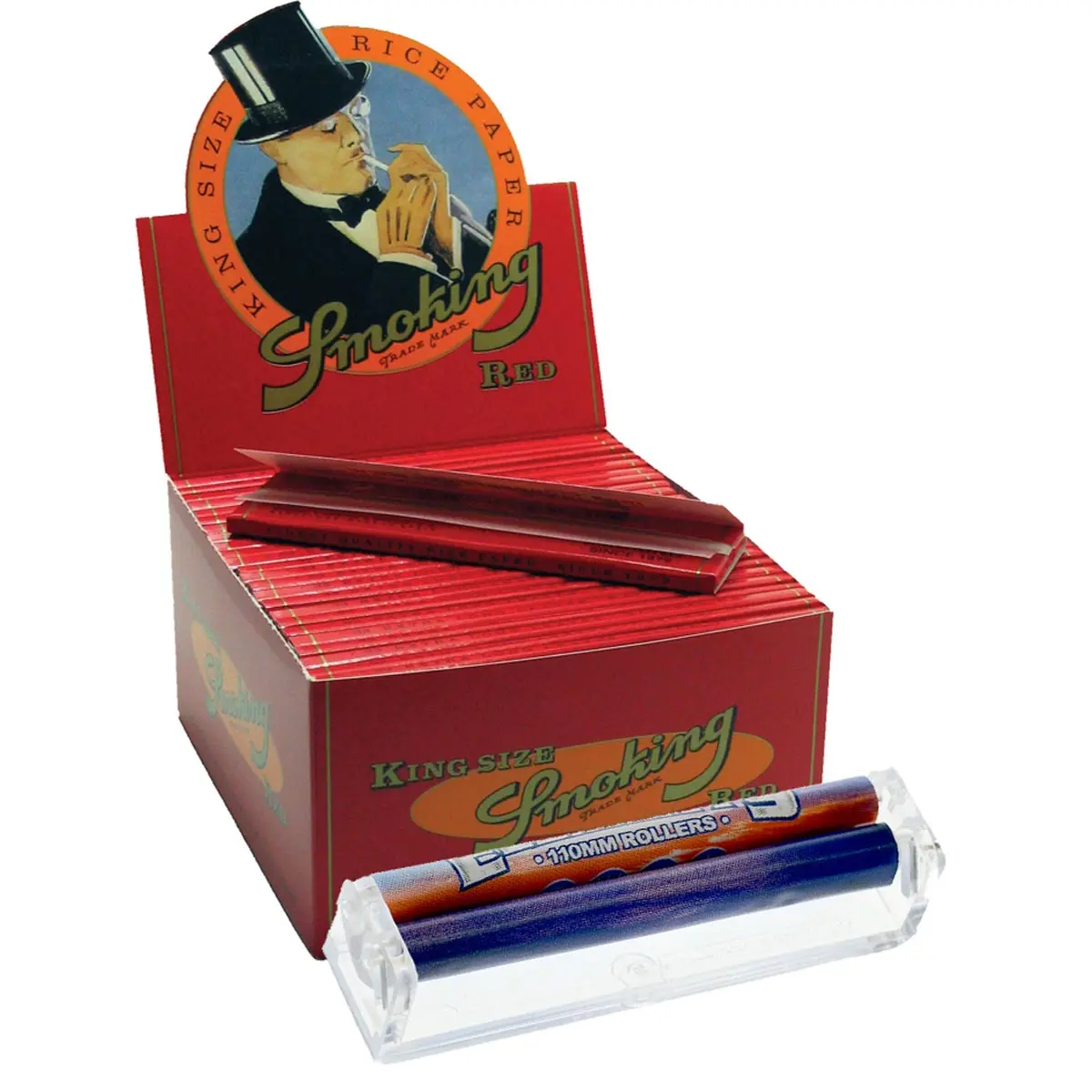
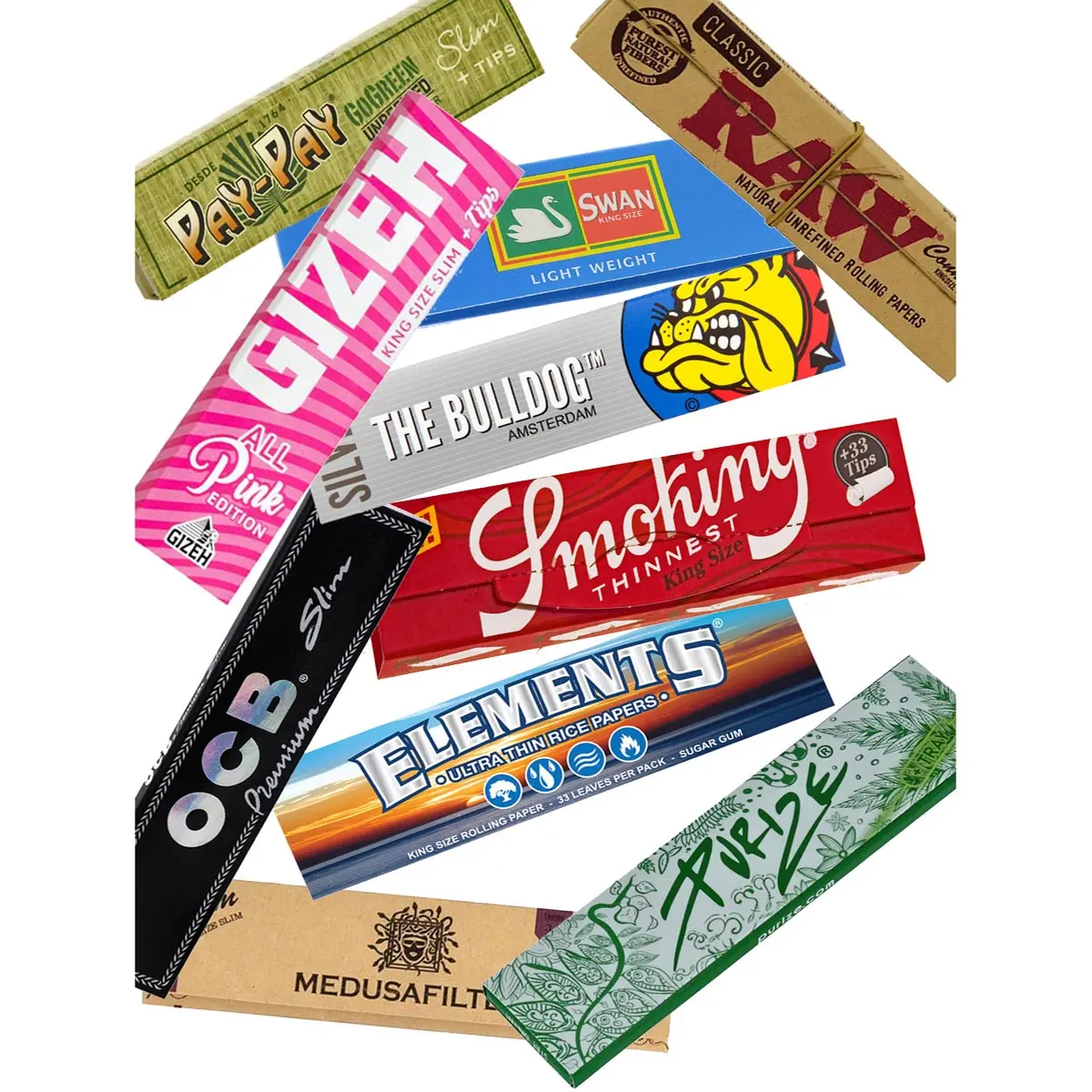
The choice of paper affects flavour and burn. They come in various sizes (e.g. handy 1¼ or the longer King Size) and different materials like classic wood pulp, thin rice or sustainable hemp (often unbleached for a purer taste). Pre-rolled cones are super handy too, especially for beginners.
➡️ Discover the variety of papers in our shop!Filter or tip? The subtle difference at the mouthpiece
The mouthpiece provides stability and comfort.
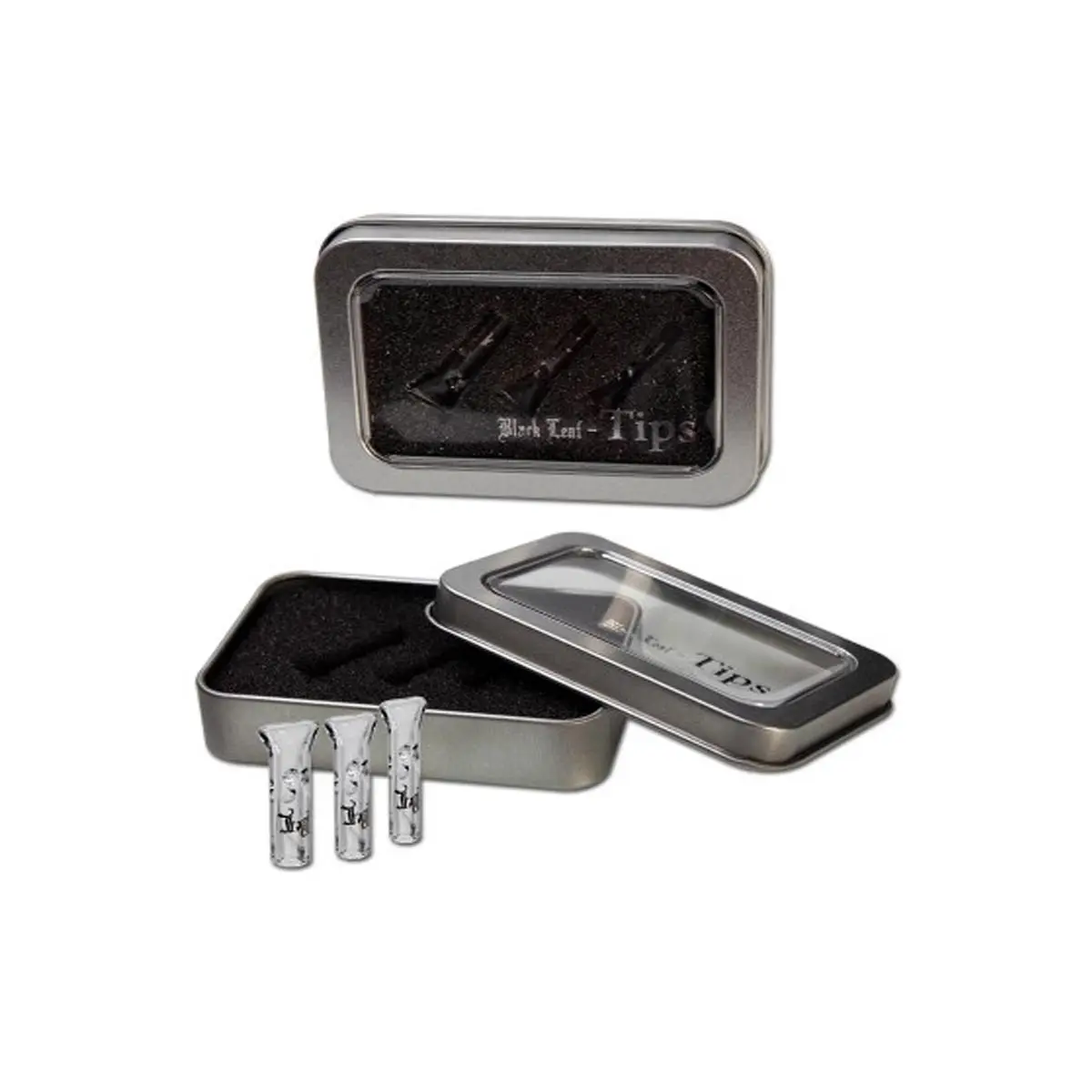
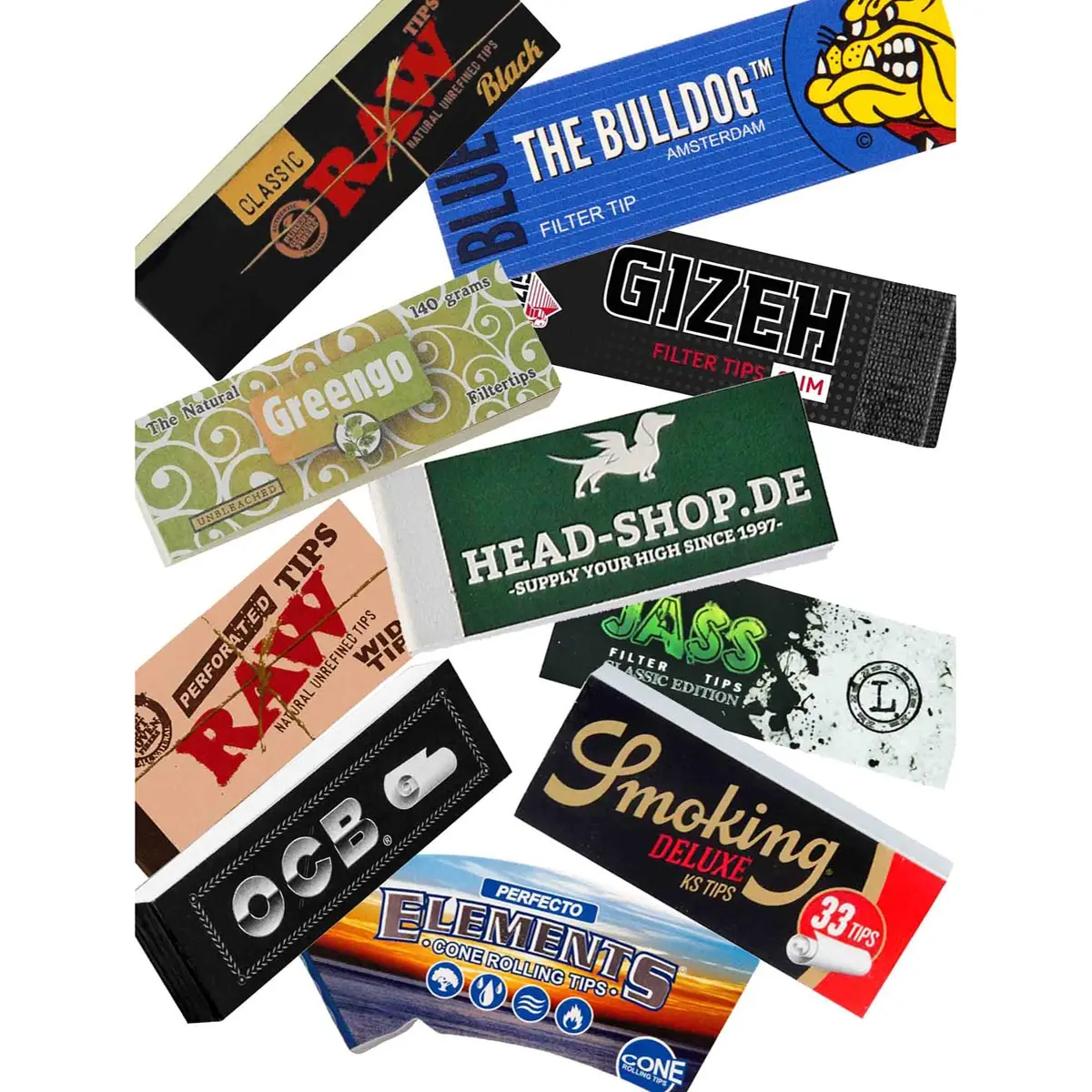
- The tip (cardboard): a simple cardboard spacer. Keeps crumbs out of your mouth and protects your fingers. Easy to fold: a few accordion folds ("W or M shape"), wrap the rest around, done.
⚠️ Note: a tip does NOT filter smoke!
- The activated-carbon filter: contains activated carbon meant to filter out some of the pollutants and often provides cooler, smoother smoke.
The choice depends on your preferences.
➡️ Find the perfect filters & tips for you!Grinder, your key to the perfect consistency
A grinder (herb grinder) is almost essential for a well-burning joint.
- ✅ Evenness: ensures homogeneously ground material that burns optimally.
- ✅ Clean fingers: no sticky mess.
- ✅ Efficiency: quick and easy.
There are simple 2-piece models or ones with several chambers (e.g. with a screen & kief catcher).
➡️ Take a look at our selection of grinders!Handy helpers: rolling tray & packing tool
These aren't a must, but they make life easier:
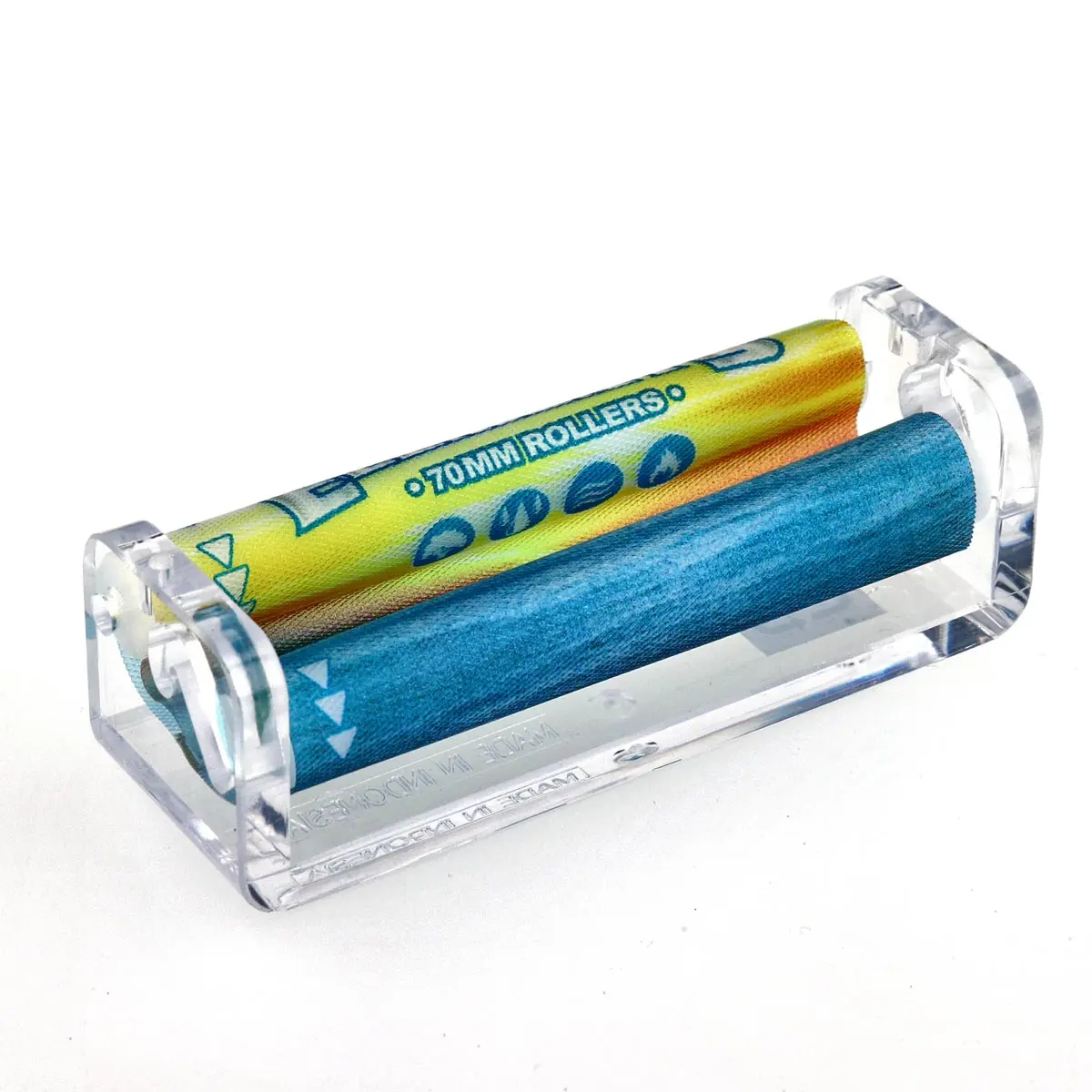
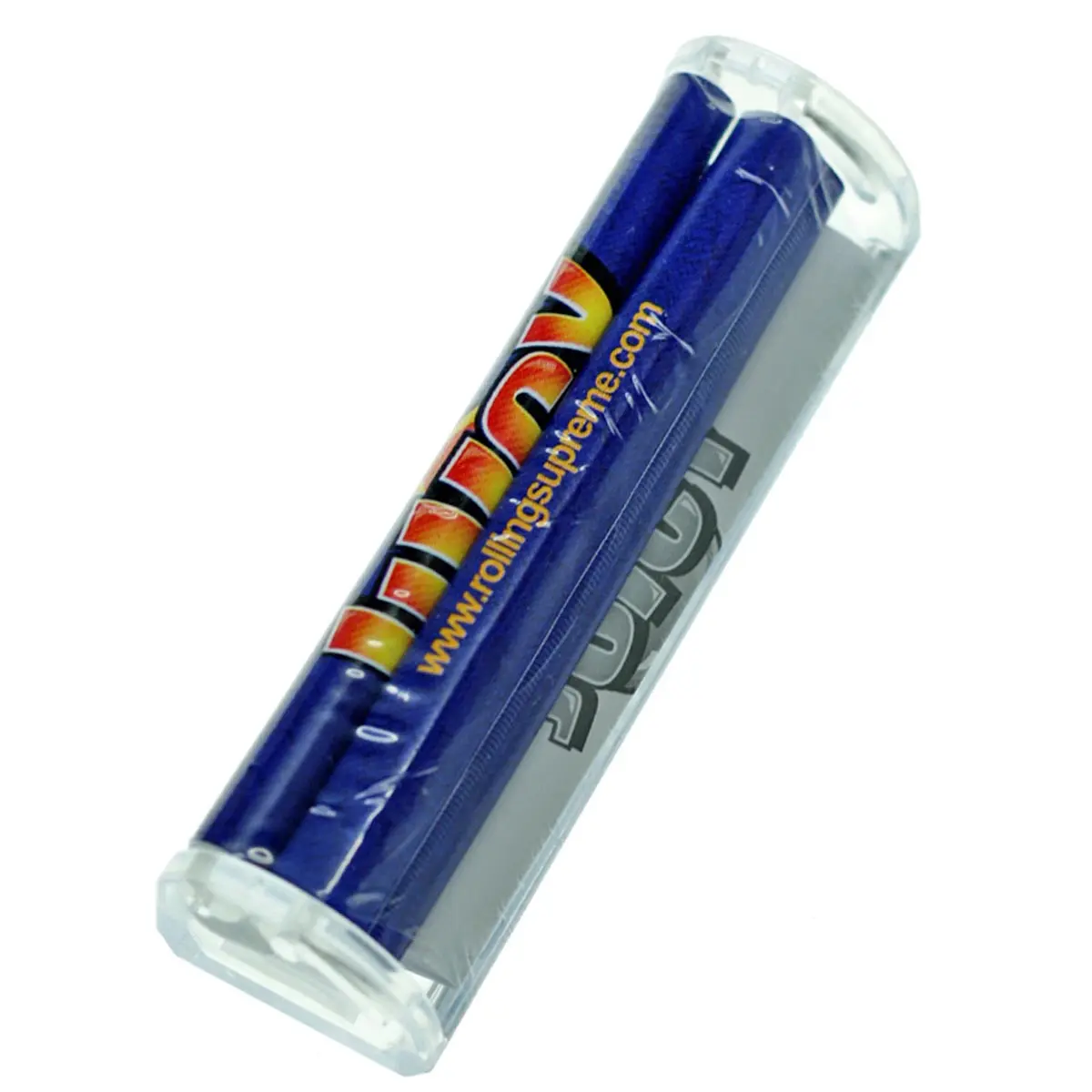
- Rolling tray: keeps your space clean and catches crumbs.
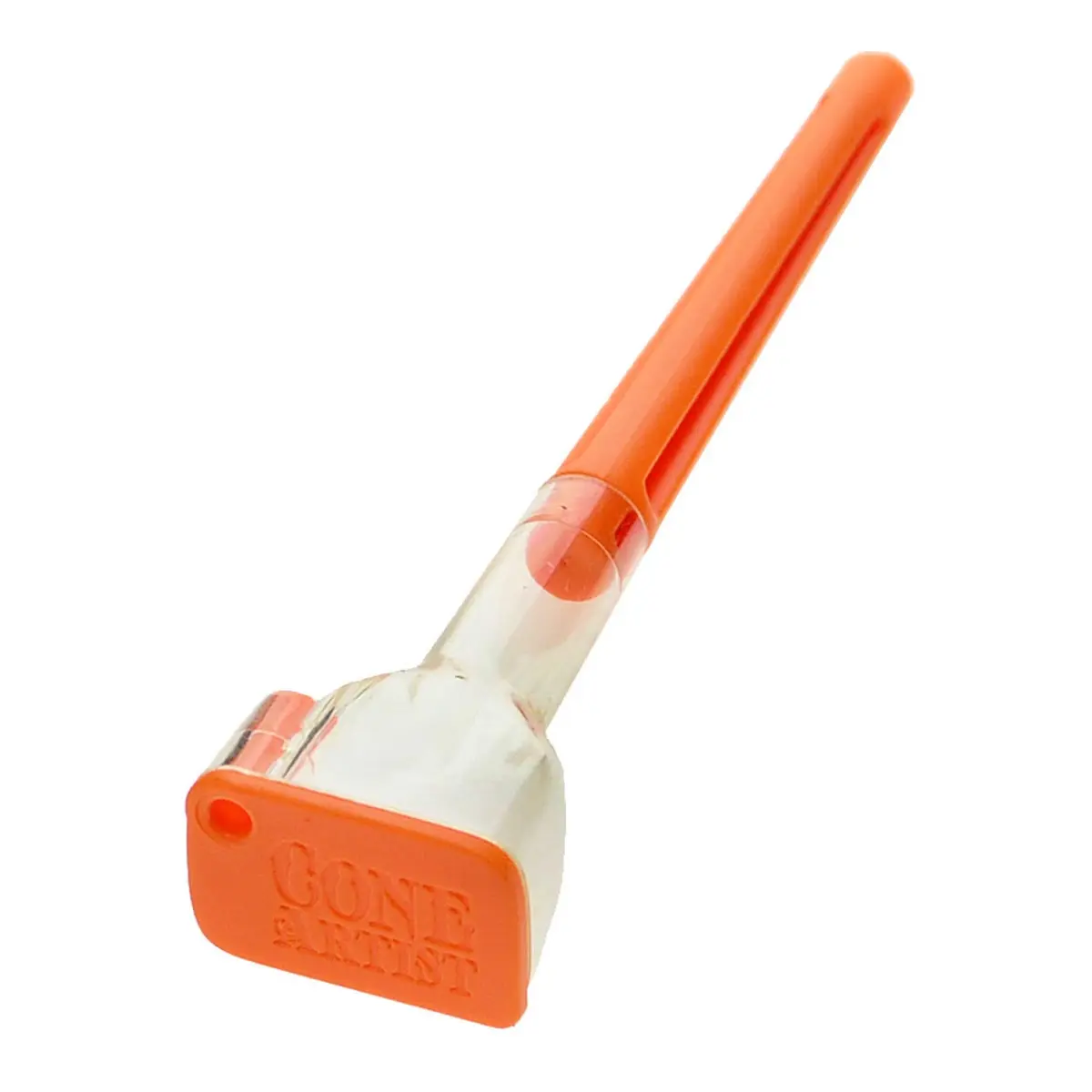
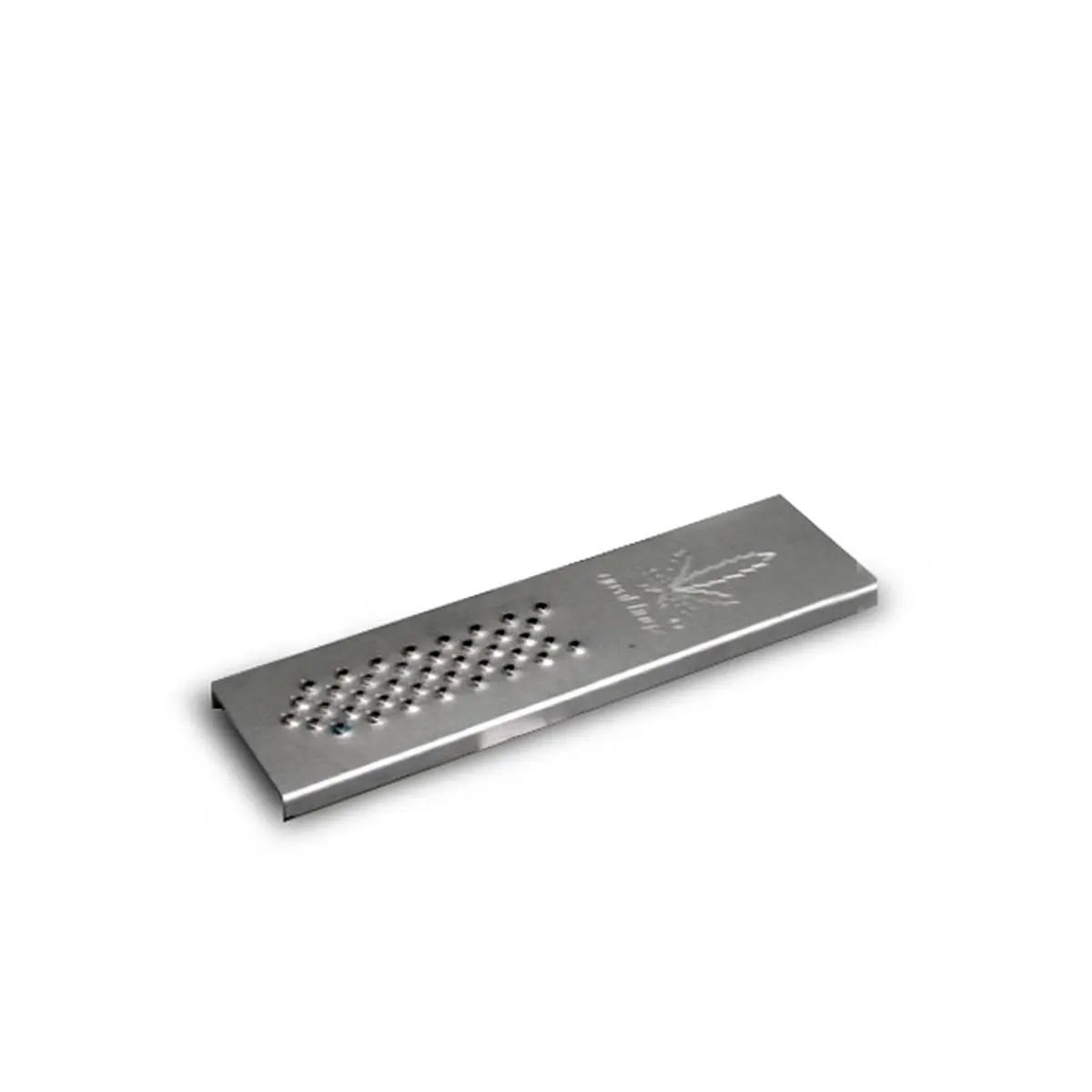
- Packing tool: helps gently compact the open end. Best trick: grab a Clipper lighter, pull out the flint (the little rod the firestone sits on) and use it for packing!

Help, my joint burns crooked! Troubleshooting common rolling problems
Your first joint might not look perfect yet and burns oddly? Totally normal! Here are fixes for the most common rolling mishaps:
- Problem: uneven burn (canoeing)
- Causes: unevenly filled, too tight/loose, damp paper.
- Fix: turn the slower-burning side down, draw slowly, maybe lightly moisten the fast side. ⚠️ Prevention: fill it evenly!
- Problem: no draw (too tight)
- Causes: ground too fine, rolled/packed too tight.
- Fix: loosen carefully (roll it, maybe use a needle). If in doubt: re-roll. ⚠️ Fix: don't pack too tight!
- Problem: too loose (falls apart)
- Causes: too little material, rolled too loose, poorly sealed.
- Fix: hard to save. ⚠️ Fix: enough material, roll tighter, seal well.
- Problem: filter slips out
- Causes: rolled too loose at the filter, tip too smooth/small.
- Fix (trick): use a small strip of glue as a "plaster". 💡 Fix: roll tight at the filter, use a sturdy tip.
- Problem: paper tears
- Causes: too much pressure, fingernails, dry paper, stems.
- Fix (emergency): patch with a strip of glue. 💡 Fix: work gently, remove stems.
- Problem: weed too sticky/dry
- Fix (sticky): cool the grinder, lightly moisten your fingers.
- Fix (dry): grind less, maybe moisten briefly (but ⚠️ mould risk!).
Golden rules & tips for beginners at rolling
Every beginning is... a matter of practice! With this advice you'll get there faster:
- ✅ Start small (amount & paper size).
- ✅ Take your time and be patient. Your first joint probably won't win any prizes. That's okay!
- ✅ Use a grinder.
- ✅ Aim for even distribution.
- ✅ Practice, practice, practice! Don't get discouraged.
- ✅ Watch others or look for videos, but come back here for the details!
💡 In short: patience, practice and the right gear are the key. Start small and learn from mistakes.
Mix or pure? Tobacco & herbal alternatives
In many countries it's common to mix cannabis with tobacco (a spliff). Why, and are there alternatives?
- Why mix? Cultural habit, affects burn & effect, stretches the material.
- Arguments against tobacco: ❌ health risks, ❌ masks the cannabis aroma.
- Herbal alternatives (nicotine-free): herbs like damiana, marshmallow leaf or special tobacco-free blends can be an option. ⚠️ Important: smoking herbs also carries risks from combustion.
For the curious: a look beyond the standard joint
Once you've got the hang of it, there's more to discover:
- The cone joint: the classic cone shape.
- Inside-out (Dutch): a technique for less papery taste (for advanced rollers).
- Spliff vs. joint vs. blunt: joint = pure cannabis; spliff = cannabis + tobacco; blunt = cannabis in a cigar leaf/wrap.
Good to know: dosing, responsibility & legal notes
Enjoyment goes hand in hand with responsibility:
- Dosing: "Start low, go slow!" Begin with a little, wait for the effect. ⚠️ Too much can be unpleasant.
- Responsibility: don't consume before driving or important tasks. Mind your set & setting.
- Legal (as of 2025, subject to change!): the possession and purchase of cannabis is regulated very differently depending on the country, and in many places it is restricted or illegal. The legal situation is in flux. ⚠️ Check the current rules where you live! Smoking accessories (papers, filters etc.) are legal in most countries. This is not legal advice.
FAQ: frequently asked questions about rolling a joint
Still have questions? No problem! Here you'll find answers to the most common uncertainties around rolling your own joint:
What's the difference between a joint, a spliff and a "tüte"?
Good question! In short: a joint classically contains only cannabis. A spliff is a mix of cannabis and tobacco (or alternatives). "Tüte" is simply a colloquial German term, usually for a conical joint or spliff.
What do I need *at minimum* to roll?
Really simple? Your cannabis and a paper. But hey, for a pleasant experience you really want a filter or tip too. And a grinder? Makes life (and rolling) SO much easier! Without a filter it's genuinely fiddly and hot.
How many grams of weed fit in a joint?
That varies a lot and depends on paper size & your tolerance. A King Size often holds between 0.5 and 1 gram. As a beginner you're better off starting smaller, of course.
Can I roll without a filter?
Sure, you can (it's "old school"), but it's... let's say suboptimal. ❌ You lose the last bit, ❌ you burn your fingers/lips, ❌ crumbs get in your mouth, ❌ the joint becomes unstable. We strongly recommend a tip or filter!
💡 Tip: a tip or filter greatly increases comfort and stability.
What do I do if my weed is very sticky/dry?
Very sticky weed? 💡 Try cooling the grinder briefly or lightly moistening your fingers. For very dry weed 💡 grind less or moisten briefly (⚠️ careful: mould!). More on this in the troubleshooting section above, if needed.
How long does it take to learn to roll?
That's super individual! Some get the hang of it after a few tries, others need longer. Important: be patient with yourself! It's like learning to ride a bike, at some point it clicks. Just keep at it!
Activated-carbon filters: how often can I use them?
Most makers say "single use" for the best filtering and hygiene. Sure, some use them 2-3 times, but the effect fades. Give it a go, but fresh is usually best.
Roll your own vs. buy pre-made cones?
Cones: ✅ super easy, ✅ fast, ideal for beginners or when you're in a hurry. ❌ usually a bit pricier per unit.
Rolling your own: ✅ cheaper over time, ✅ full control over shape, size and firmness, ✅ the satisfying feeling of having made it yourself. ❌ takes practice.
How do I best store rolled joints?
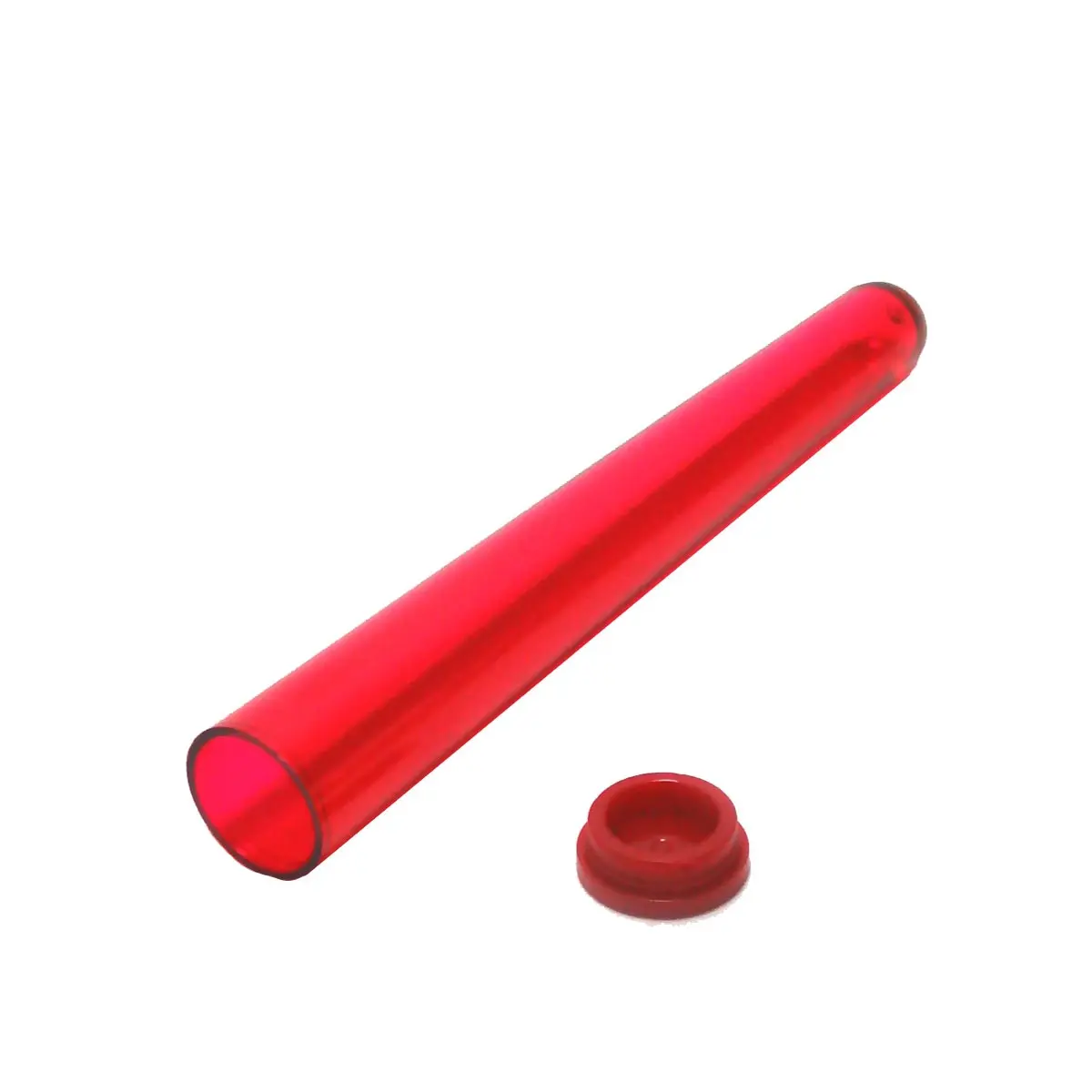
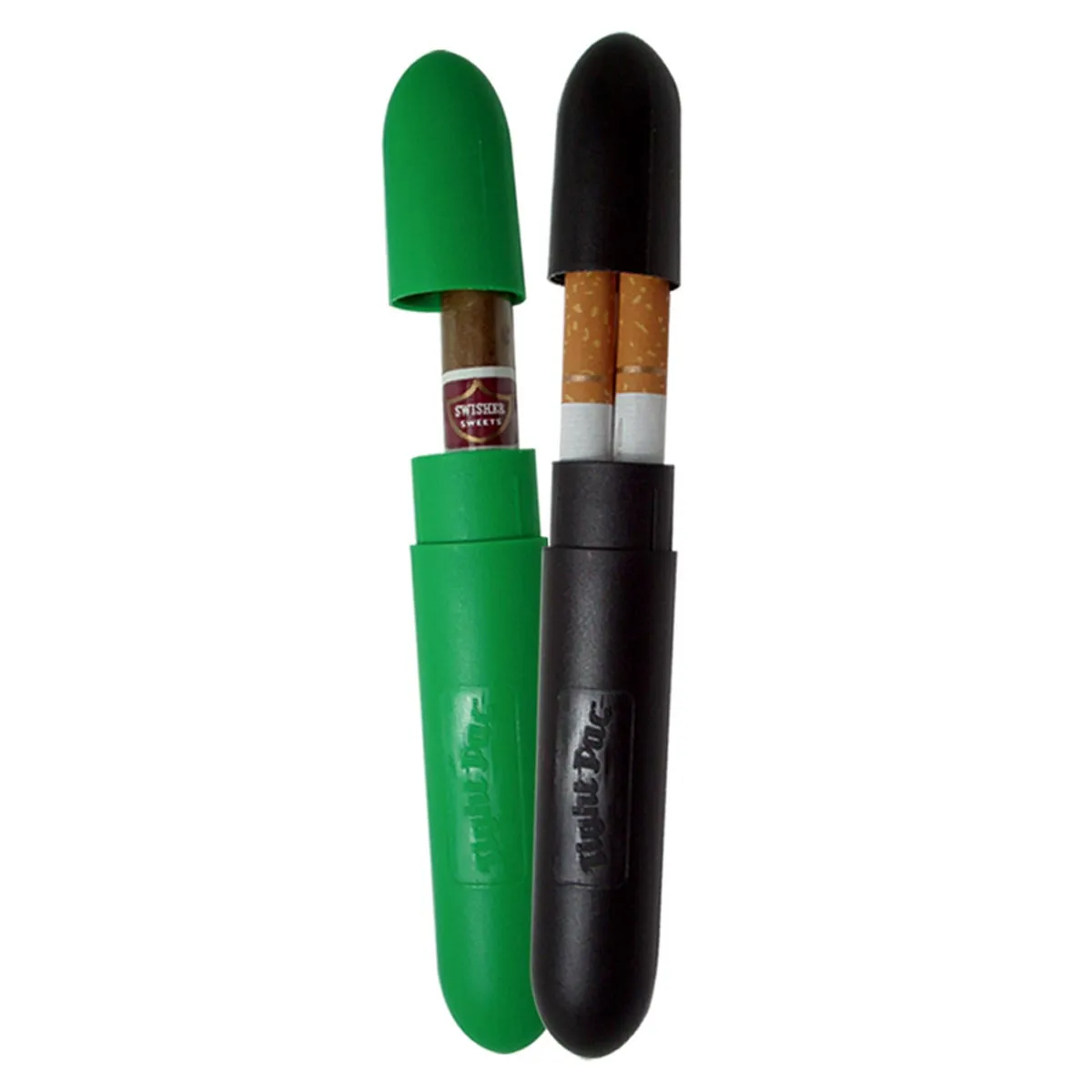
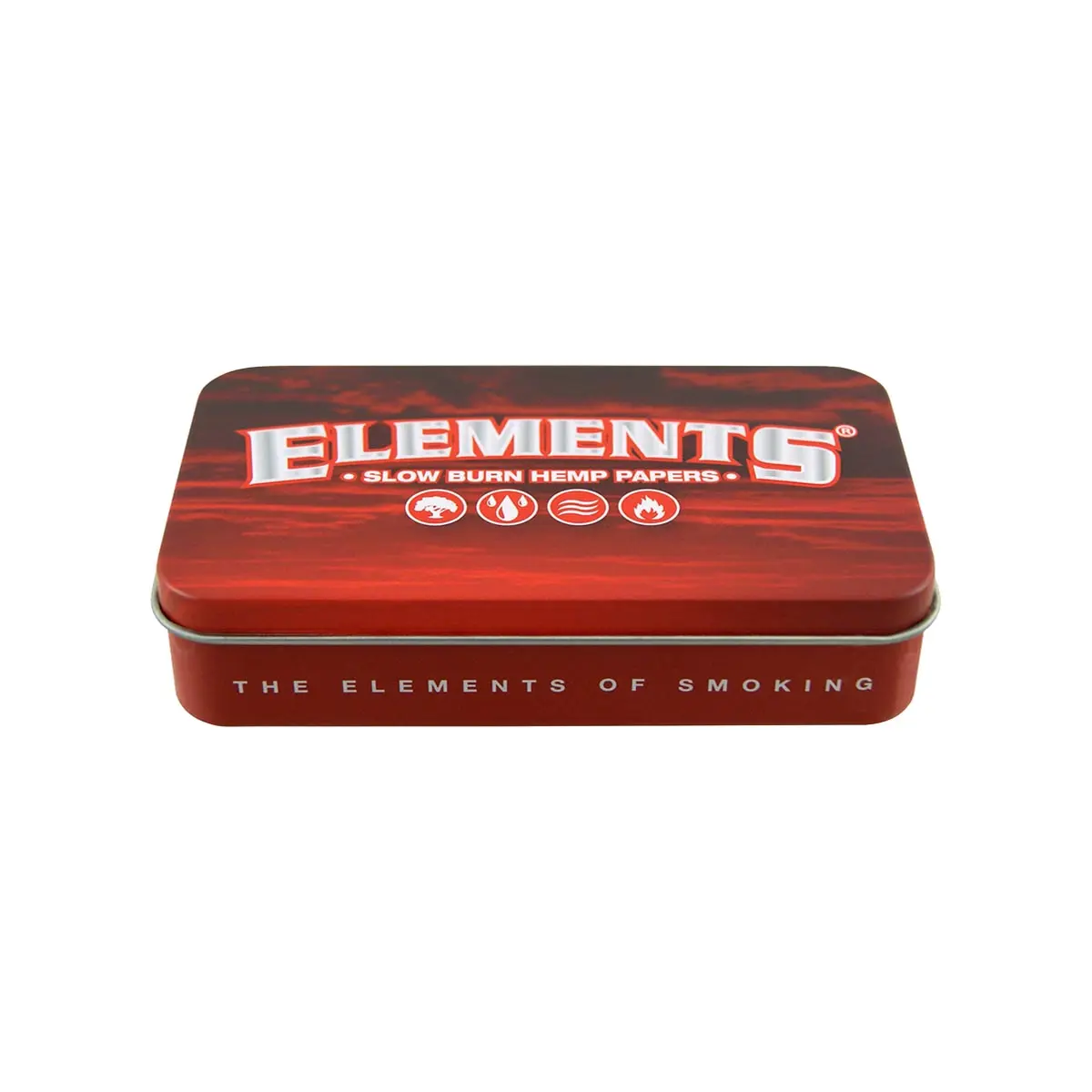
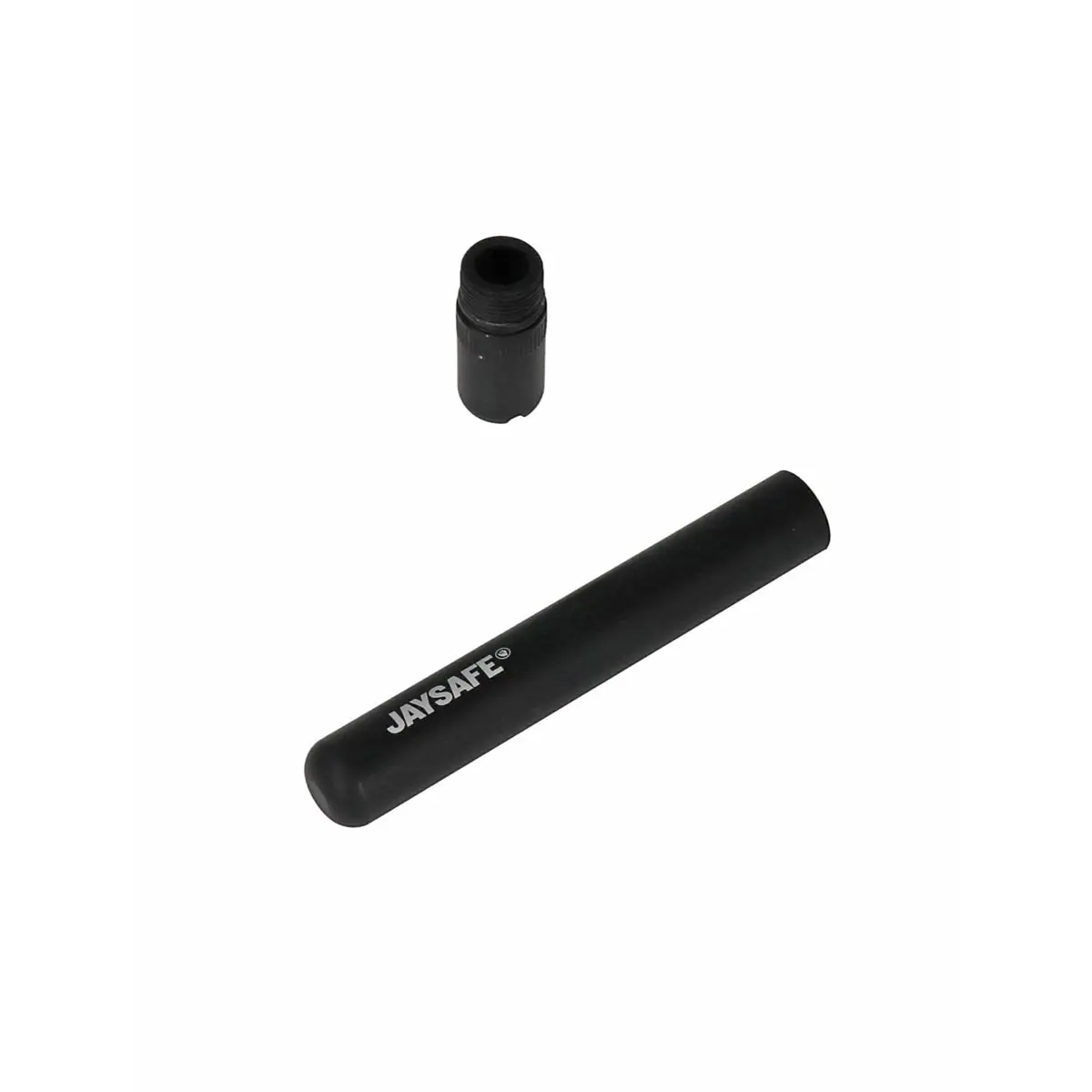
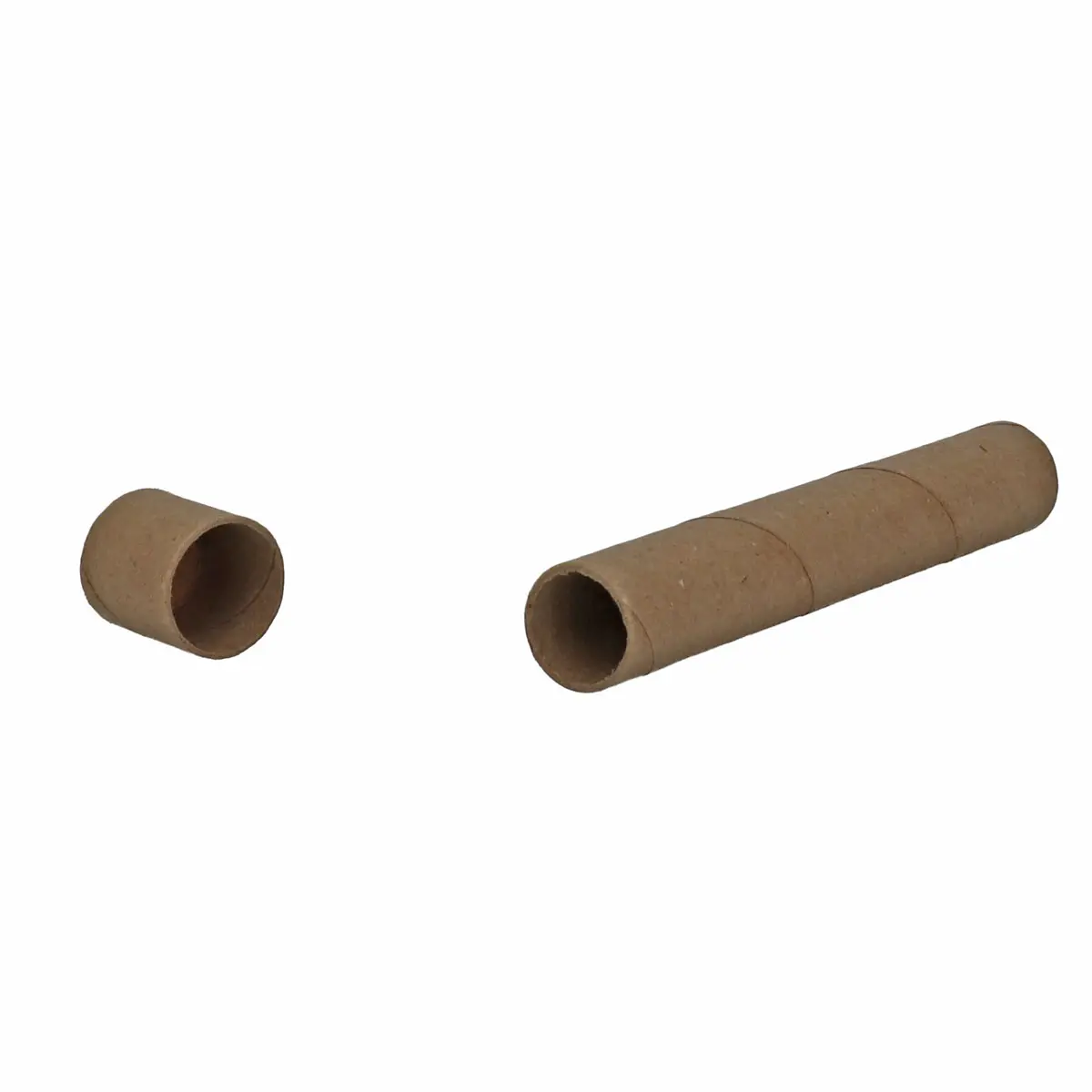
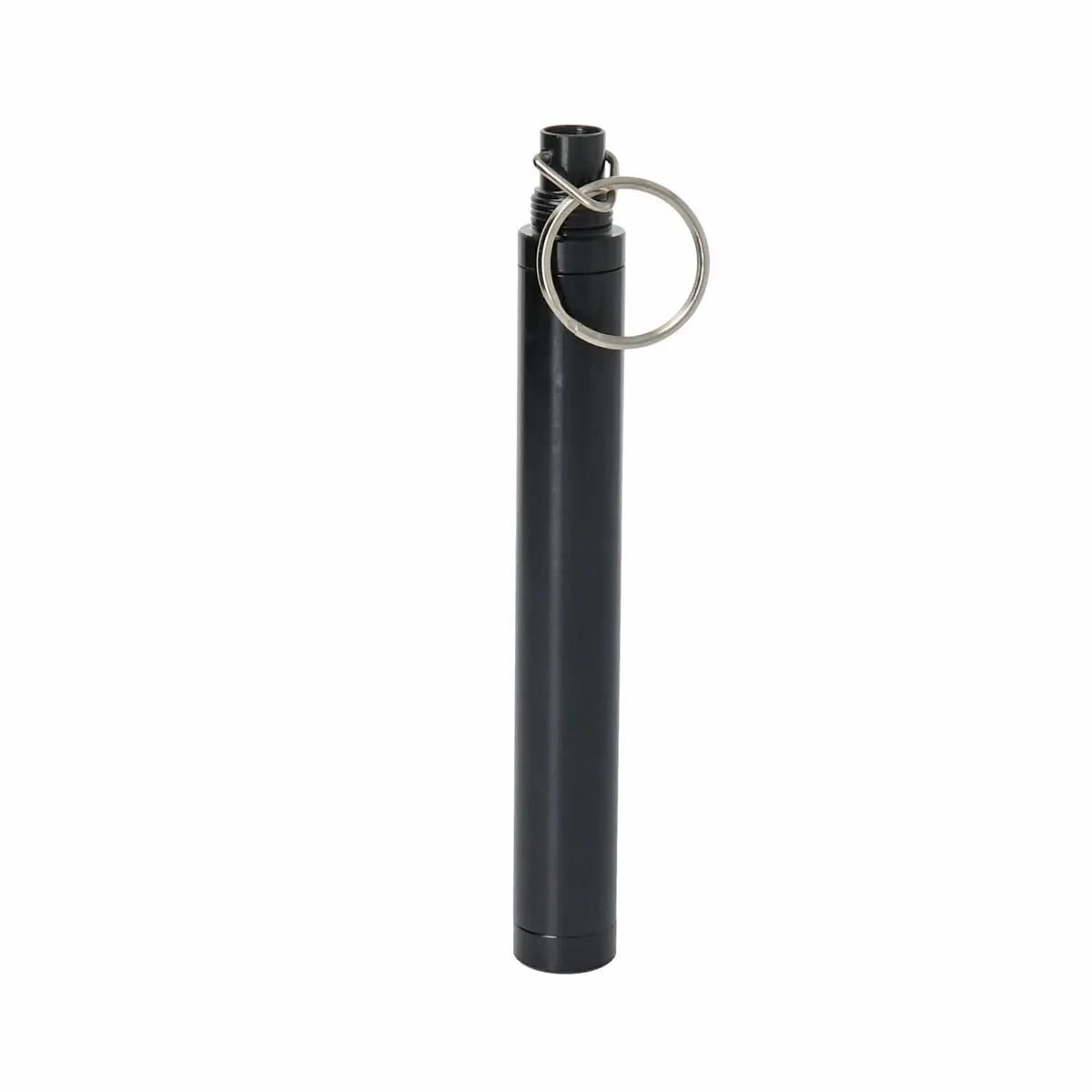
Airtight is best! 💡 Small tubes (doob tubes), screw-top jars or special tins keep the joint fresh, protect it from drying out and stop it getting crushed or smelly.
Are papers, filters & grinders legal?
Yes, absolutely! Buying, owning and selling smoking accessories is legal in most countries. Cannabis itself, however, is regulated differently depending on where you live, so always check your local laws.
Conclusion: your path to the perfect hand-rolled joint
Rolling a joint is no witchcraft, but a learnable craft. With this guide you have the knowledge you need. The rest is practice, patience and a little finesse. You'll see, your technique gets better with every attempt.
Find joy in the process, experiment with accessories and develop your own style. It's a small ritual that many appreciate about cannabis.
Still have questions or your own tips? Share them in the comments!
PS: if rolling is too much effort for you, we also have a huge selection of bongs .. ;)
Legal notice & disclaimer
Please note: the content of this article serves exclusively informational and educational purposes about a traditional technique and does not constitute an encouragement, recommendation or trivialization of the consumption of cannabis or other substances. The purchase, possession and consumption of cannabis is subject to strict legal rules that differ from country to country. Please inform yourself independently about the currently applicable laws and regulations in your region and follow them strictly.
This text is no substitute for medical or legal advice. For health questions please consult a doctor or pharmacist. For legal questions consult a lawyer. We accept no liability whatsoever for actions taken on the basis of the information provided here, or for the misuse of the described techniques or mentioned products.
Product information serves as description and does not constitute any promise of effect. All content is aimed exclusively at adults (18+). We call for responsible use.