
Types of Percolators
Weed Wissen
Spiral Percolator
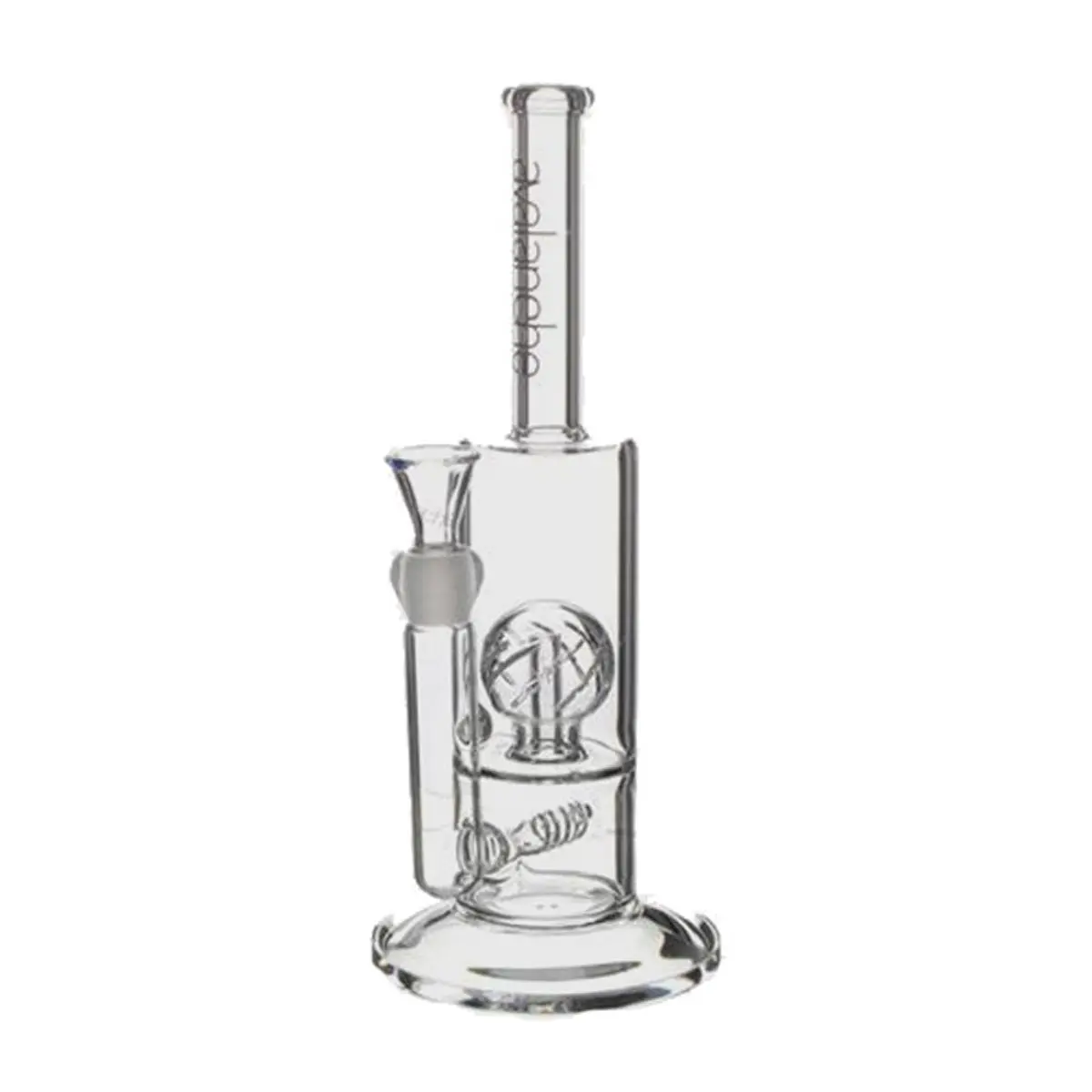
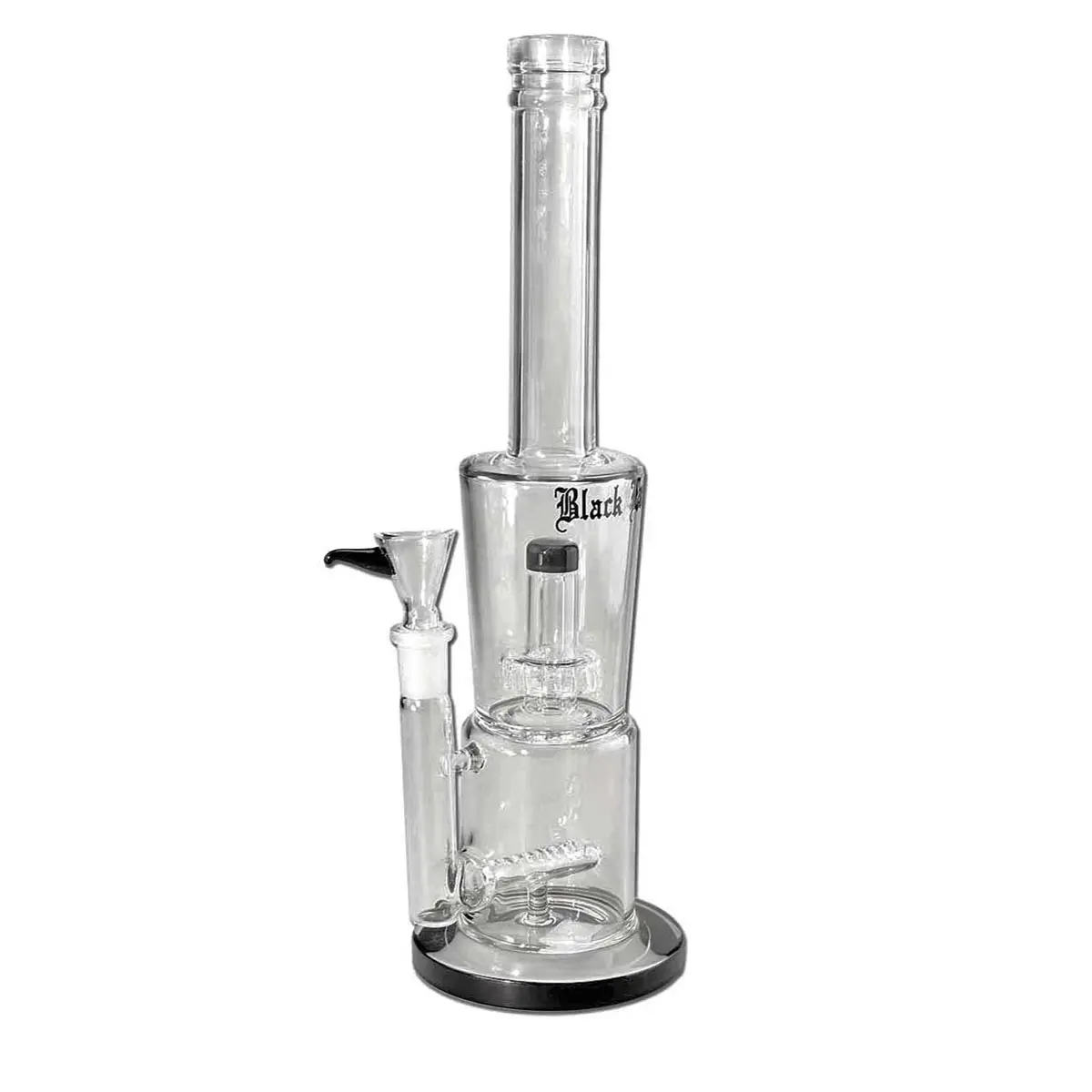
A very popular form of a bong percolator right now is the special variant known as the spiral percolator, also called the helix percolator. The advantage of this basic design lies in the longer path the smoke has to travel before it exits the slits, which promises some extra smoothing. Spiral percs are currently found above all, but not exclusively, on bongs by GraceGlass, where they often even form a main feature or a key design element.
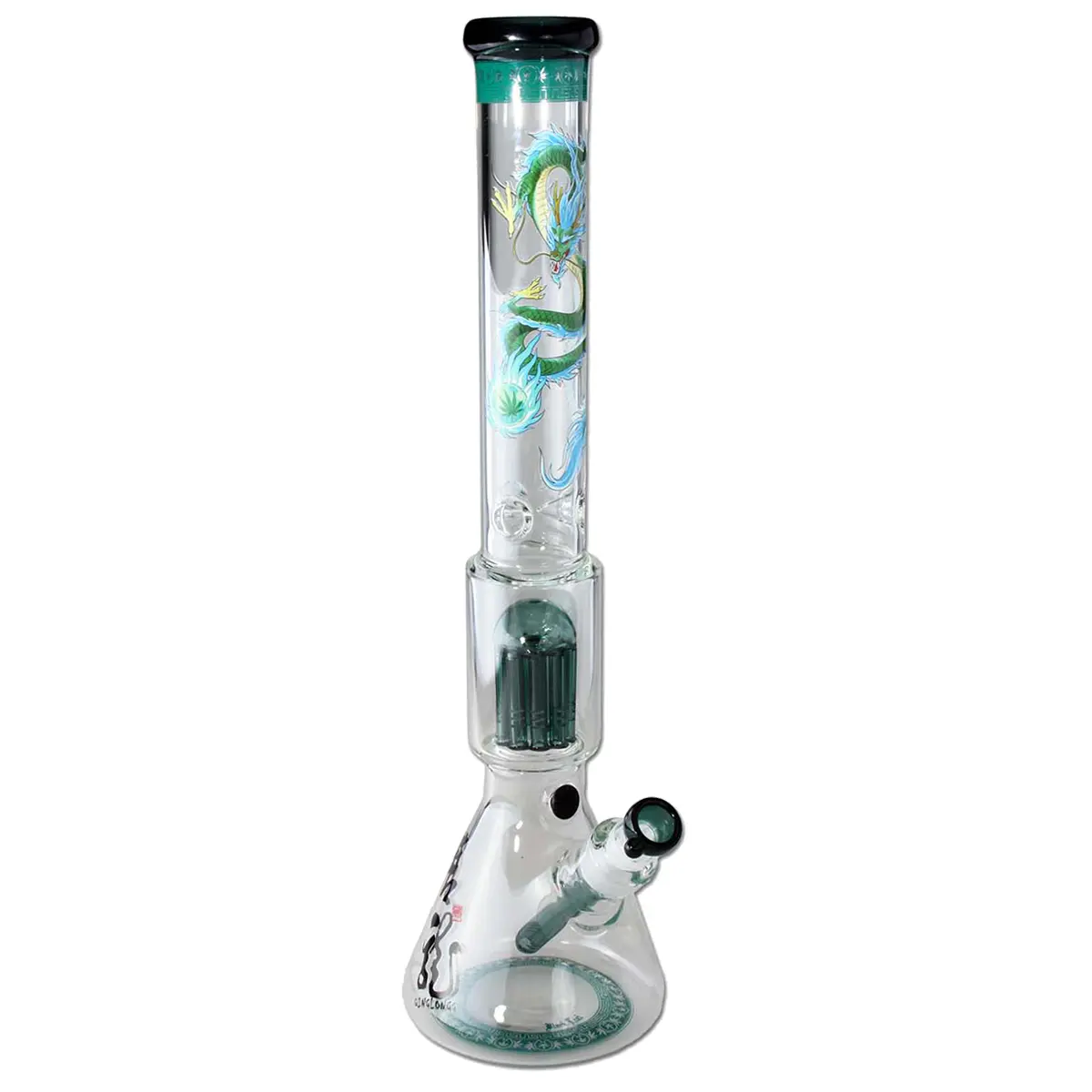
In the picture shown here, GraceGlass has given the piece, alongside the helix perc visible in the lower half of the image, an additional mushroom percolator that refreshes the smoke once more above the first chamber but before the ice notches, further softening the expected smoking experience. Multi-perc combos like this have become more and more fashionable in recent years and delight bong enthusiasts worldwide. The downside of these permanently "built-in" diffusers lies in exactly that point, though. If the perc breaks through carelessness or clumsiness, the whole piece is history. That's why some makers (e.g. Weedstar or Frost) also offer bongs with separate percs mounted via a ground-glass joint, which can easily be replaced if needed. Sadly, I haven't yet come across a spiral percolator in this removable version.
Mushroom Perc
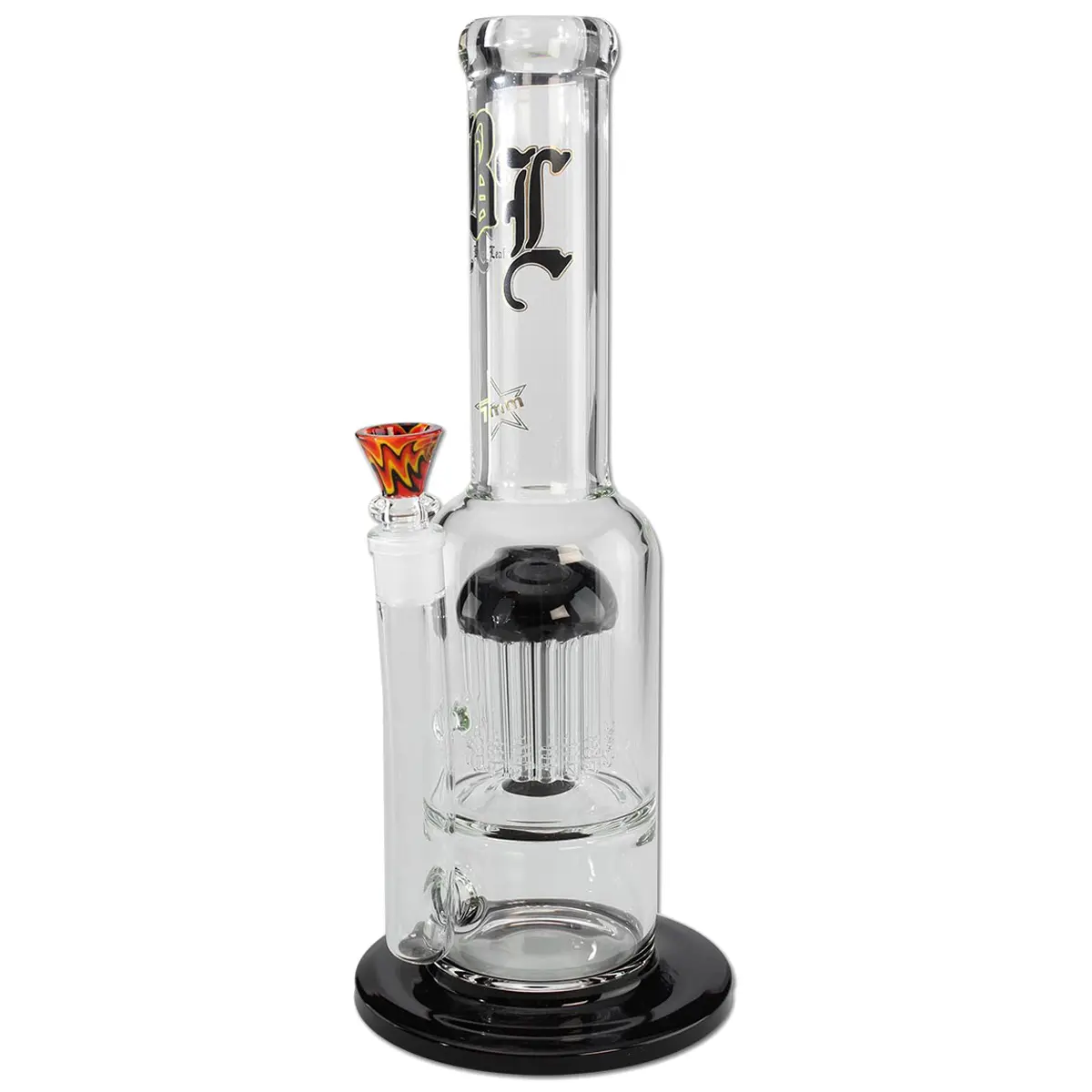
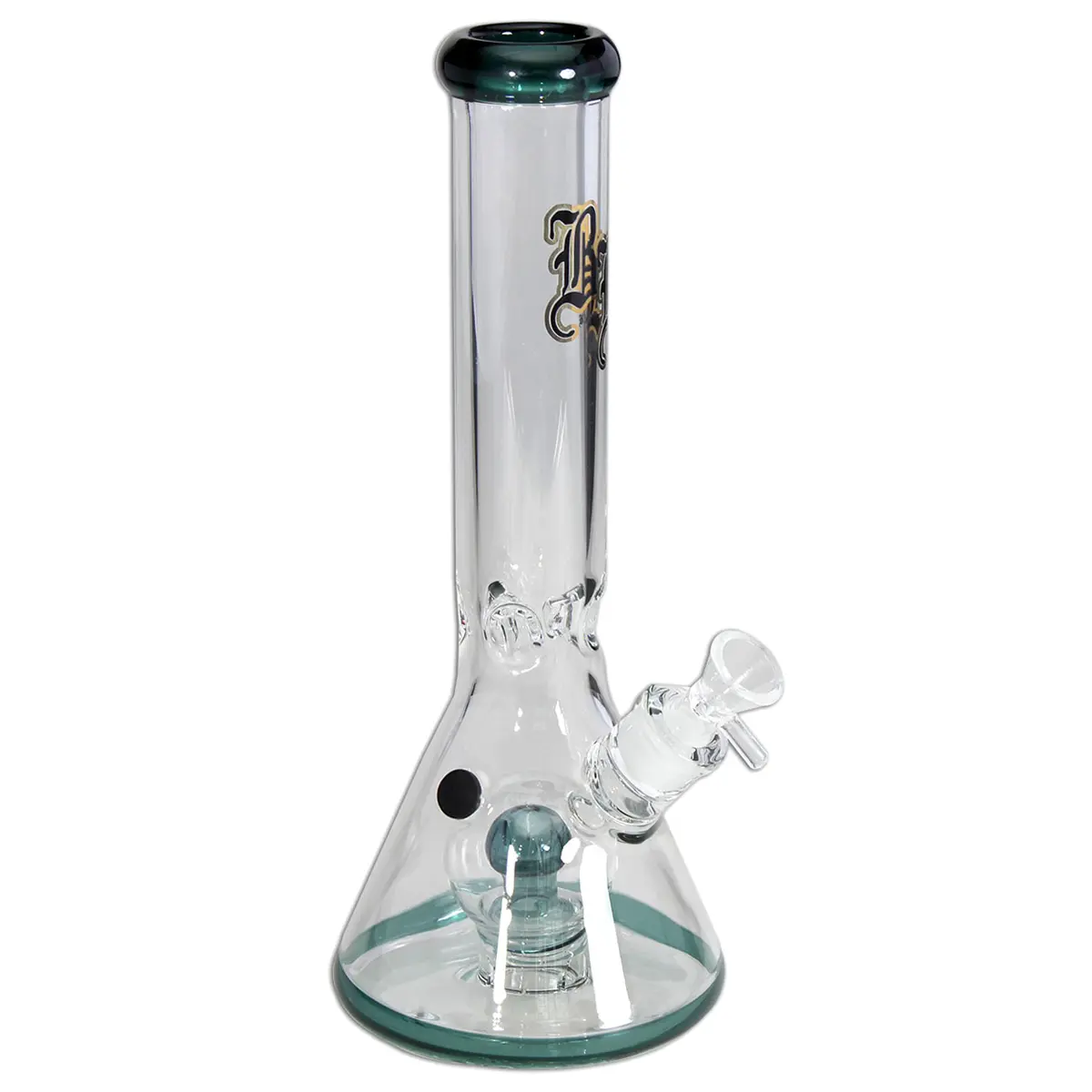
 Another special or sub-form of the bong percolator is the so-called mushroom perc. It differs from other diffusers mainly through its name-giving shape (mushroom) and the fact that it usually has no nozzle arms. Mushroom percolators draw their functionality above all from slit nozzles worked into the main body. This is especially useful for the perc's longevity, since arm percolators often suffer breakage, above all when you get too enthusiastic while cleaning.
 That said, very few mushroom bongs make do with just a single perc. In many cases (as with GG bongs) the mushroom is merely the on-the-top element of a whole series of smoke-smoothing systems and usually sits in the topmost chamber or right in front of the ice notches. This type of diffuser is, in the vast majority of cases, permanently built in and unfortunately can't simply be swapped out if it gets damaged.
Unfortunately there's no halfway orderly system of sub-names for mushrooms. Whereas arm percolators are usually classified quite precisely by the size and number of arms (e.g. 4-arm perc, 8-arm perc), most makers place the slits in the mushroom cap pretty much as they please. From a single slit (!) all the way to an almost fully perforated cap, you can come across just about anything. It's worth paying a little attention here, since an even distribution of the swirl slits and the largest possible, above all intact, glass surface increases stability and leads to noticeably longer durability.
Honeycomb Percolator
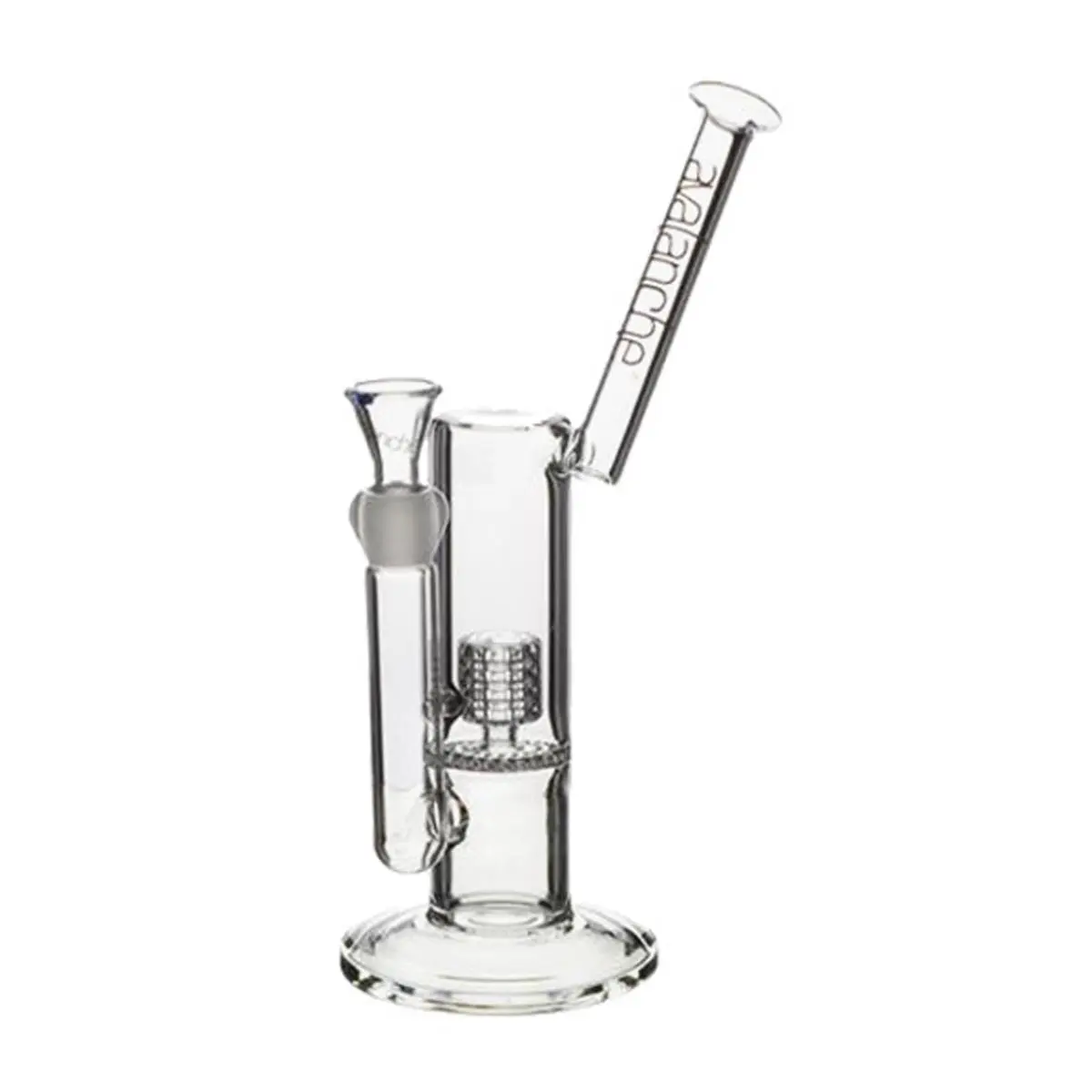
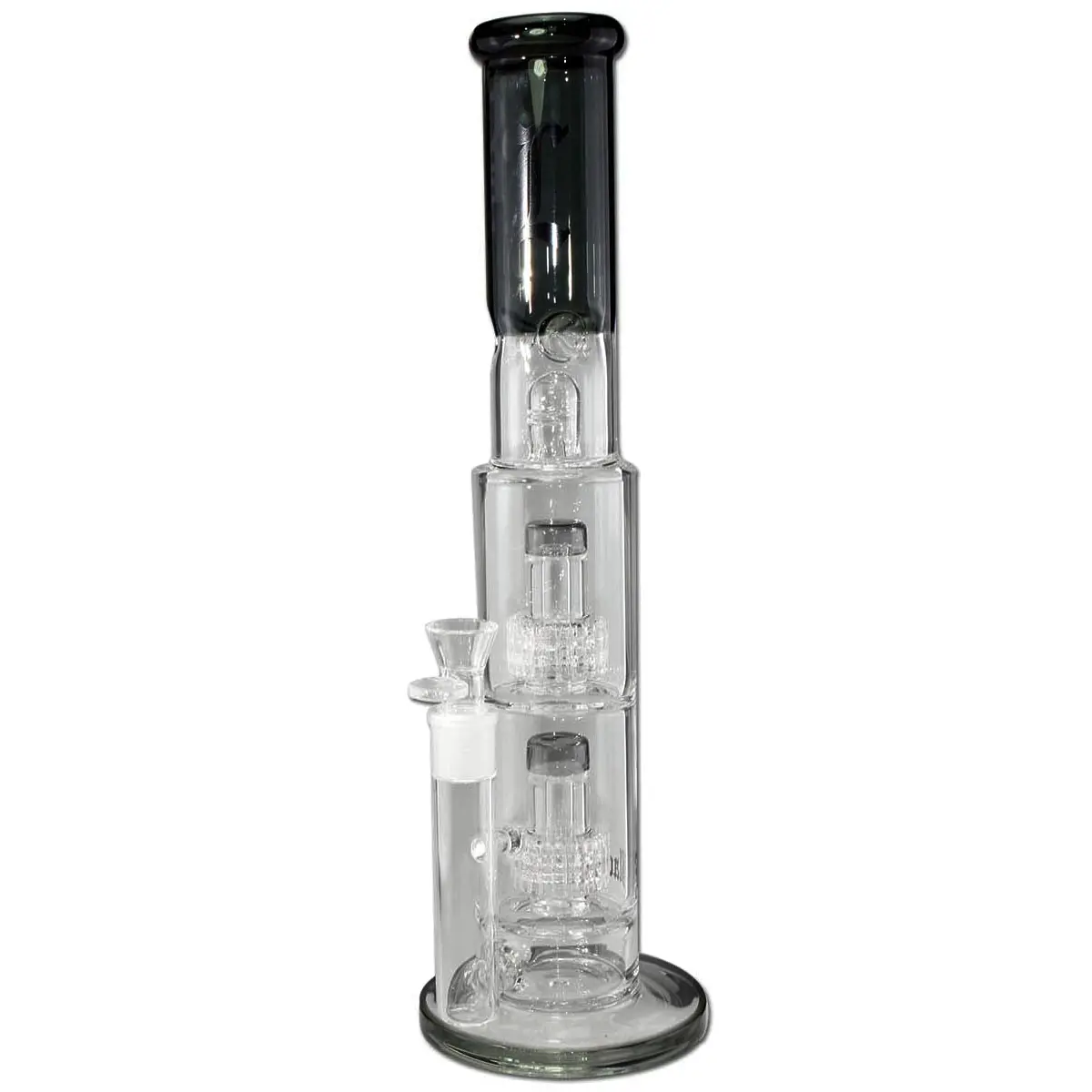
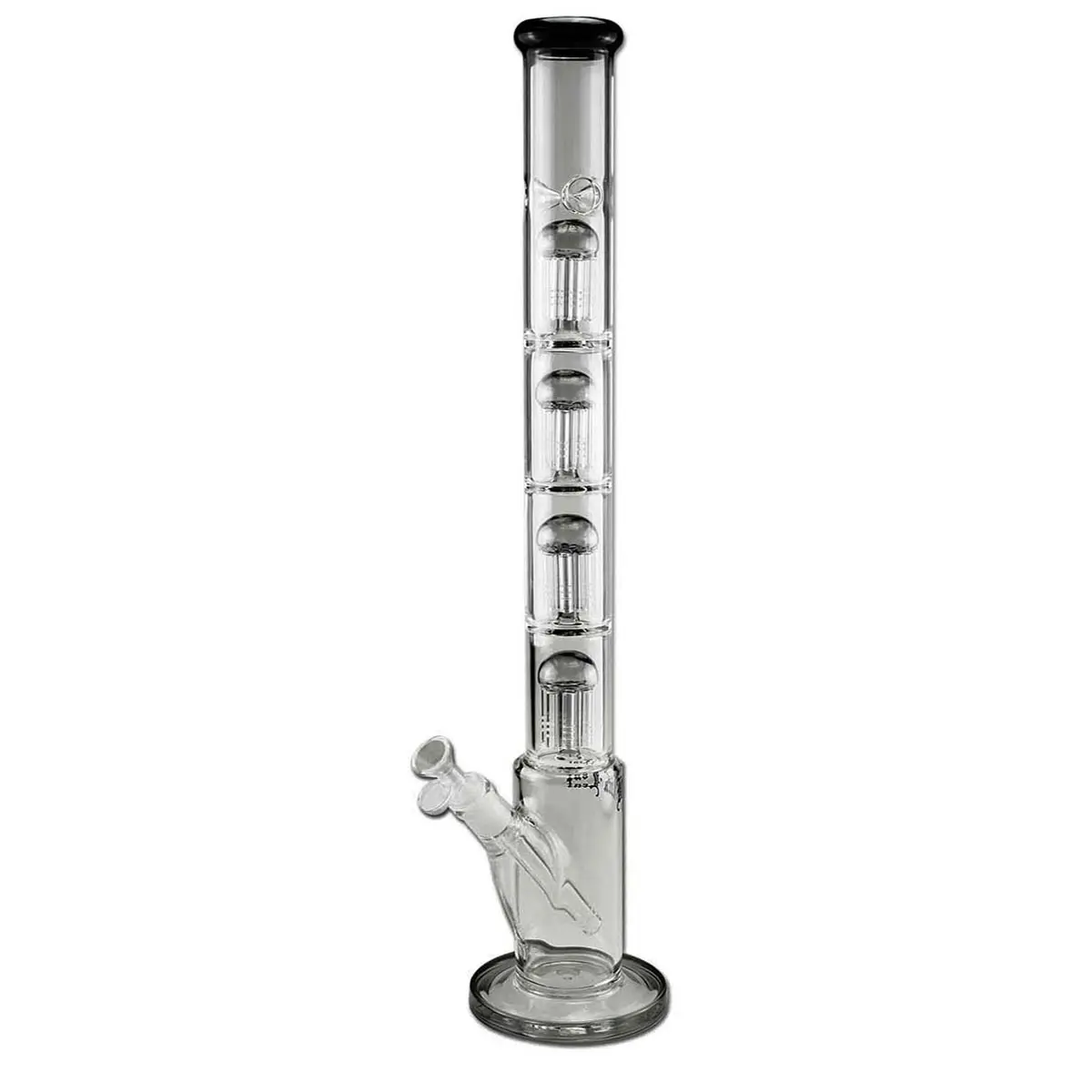
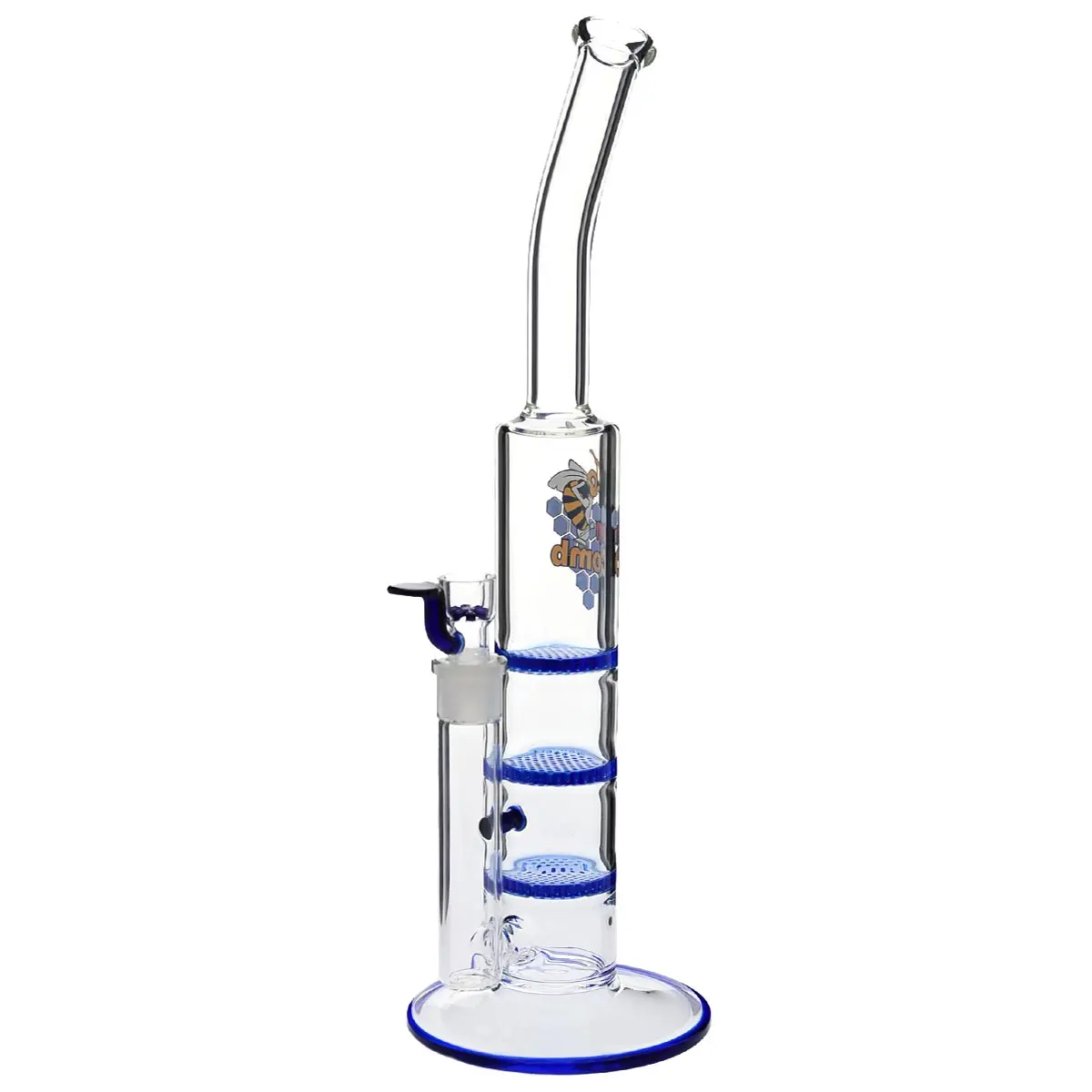
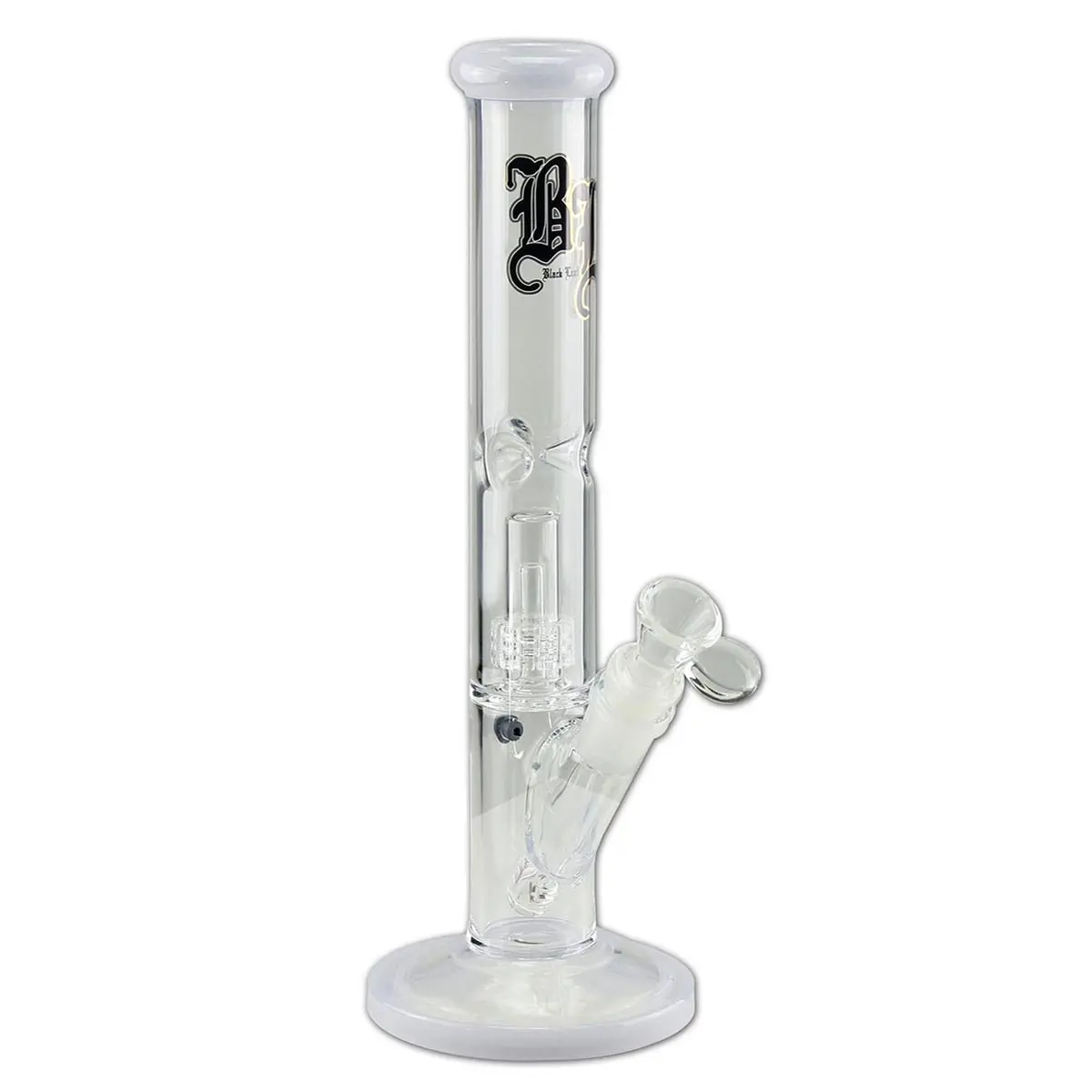
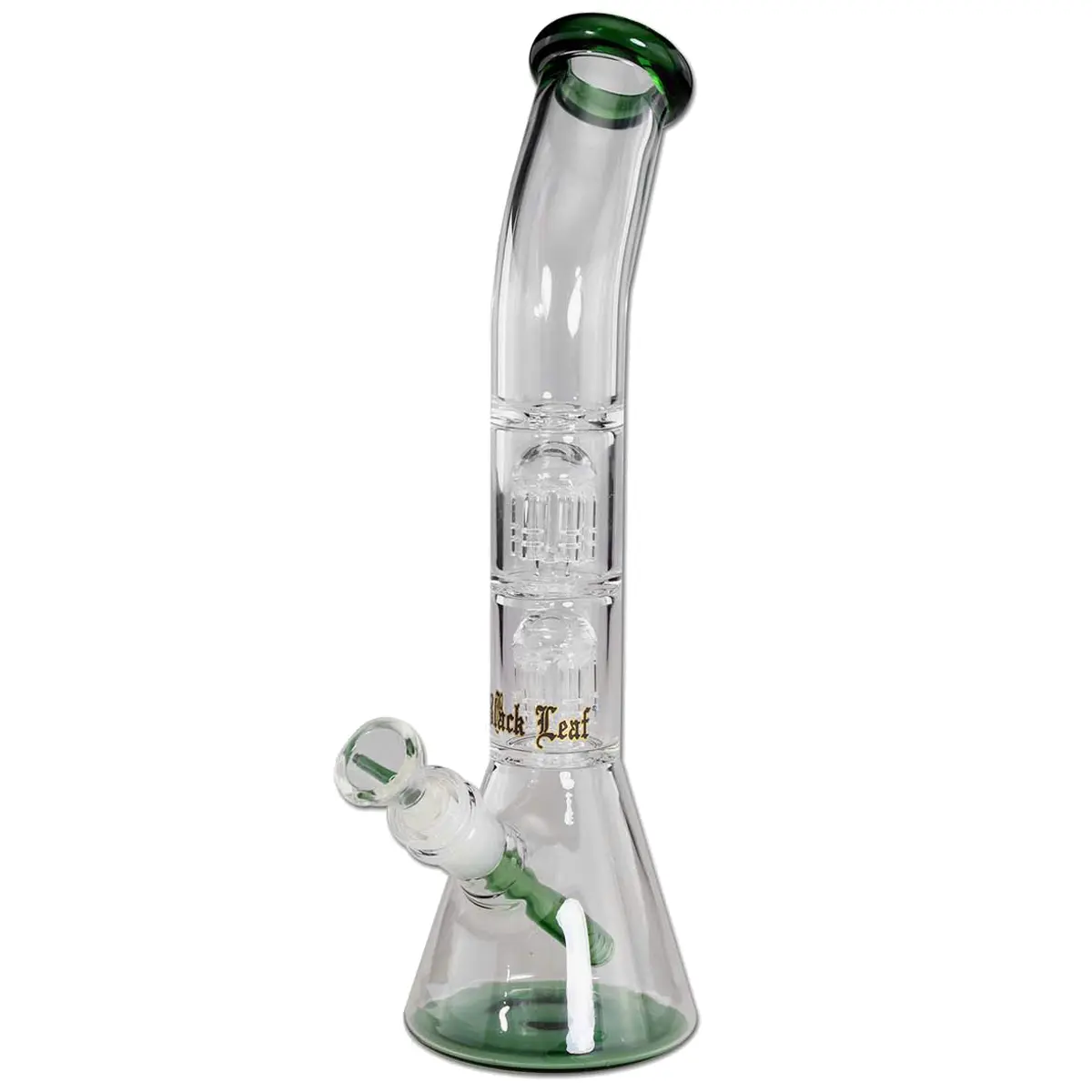
Another sub-type of percolator commonly built into bongs is the so-called honeycomb perc ("honeycomb", like in a beehive). These come either in a simple single-mode form or, very often, as in the picture, stacked in series to optimize the diffusion. The advantage of honeycomb percs lies above all in their large draw-through area compared with other systems. After all, this design offers a huge number of diffuser holes that conventional systems only rarely achieve, and when they do, at the expense of glass stability. Honeycombs are usually permanently installed and can't be removed from the piece. >
> And that's exactly the sticking point... at least when it comes to cleaning the piece (which, yes, should happen now and then, even with percs). With stacked series diffusers in particular, it's the lower one that gets dirty and, thanks to its special construction, can't be reached with brushes. The only thing that helps here is a proper soak of your smoking gear, regular shaking and a little, or a little more, patience. It'll work out...


Dome Percolators (Dome Percs)
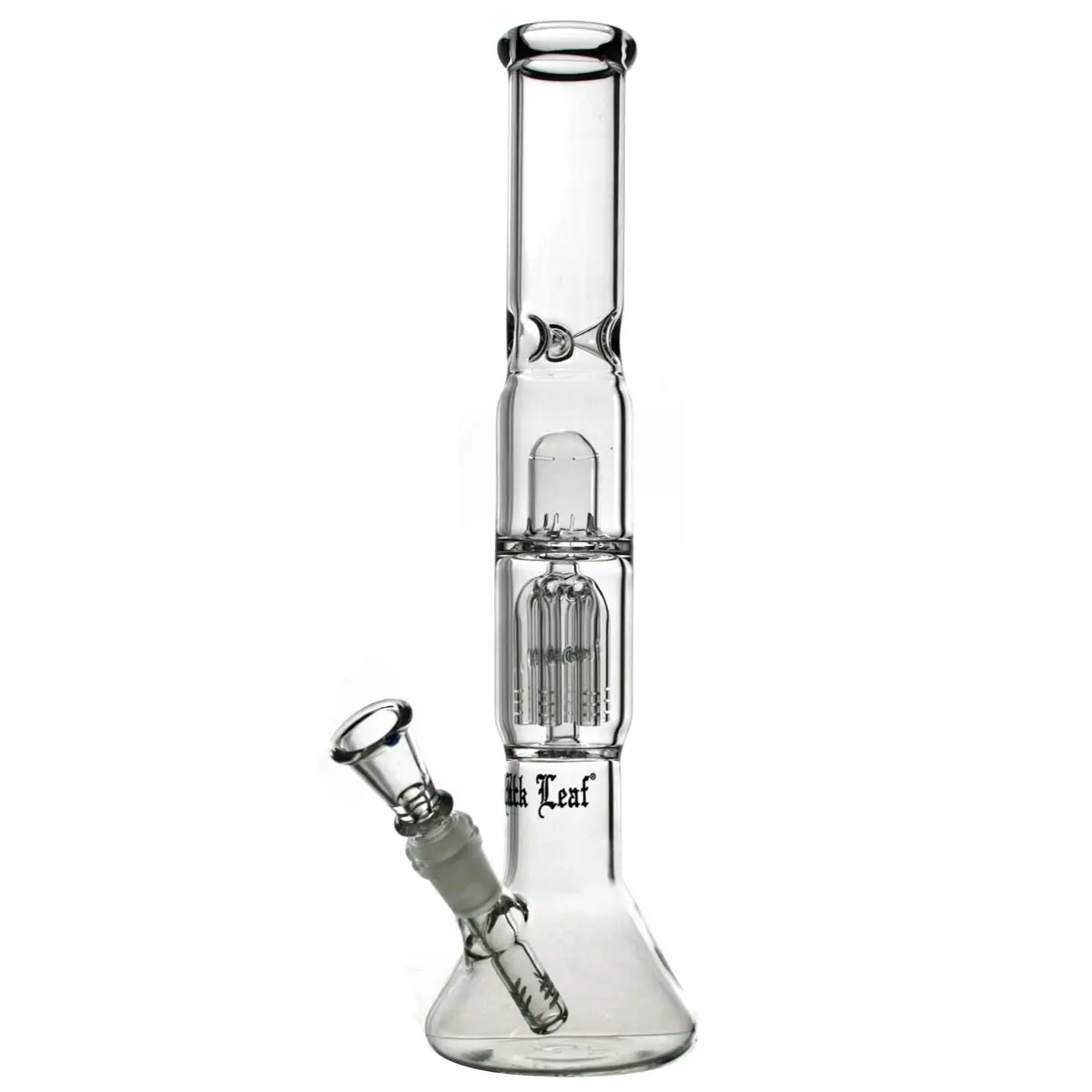
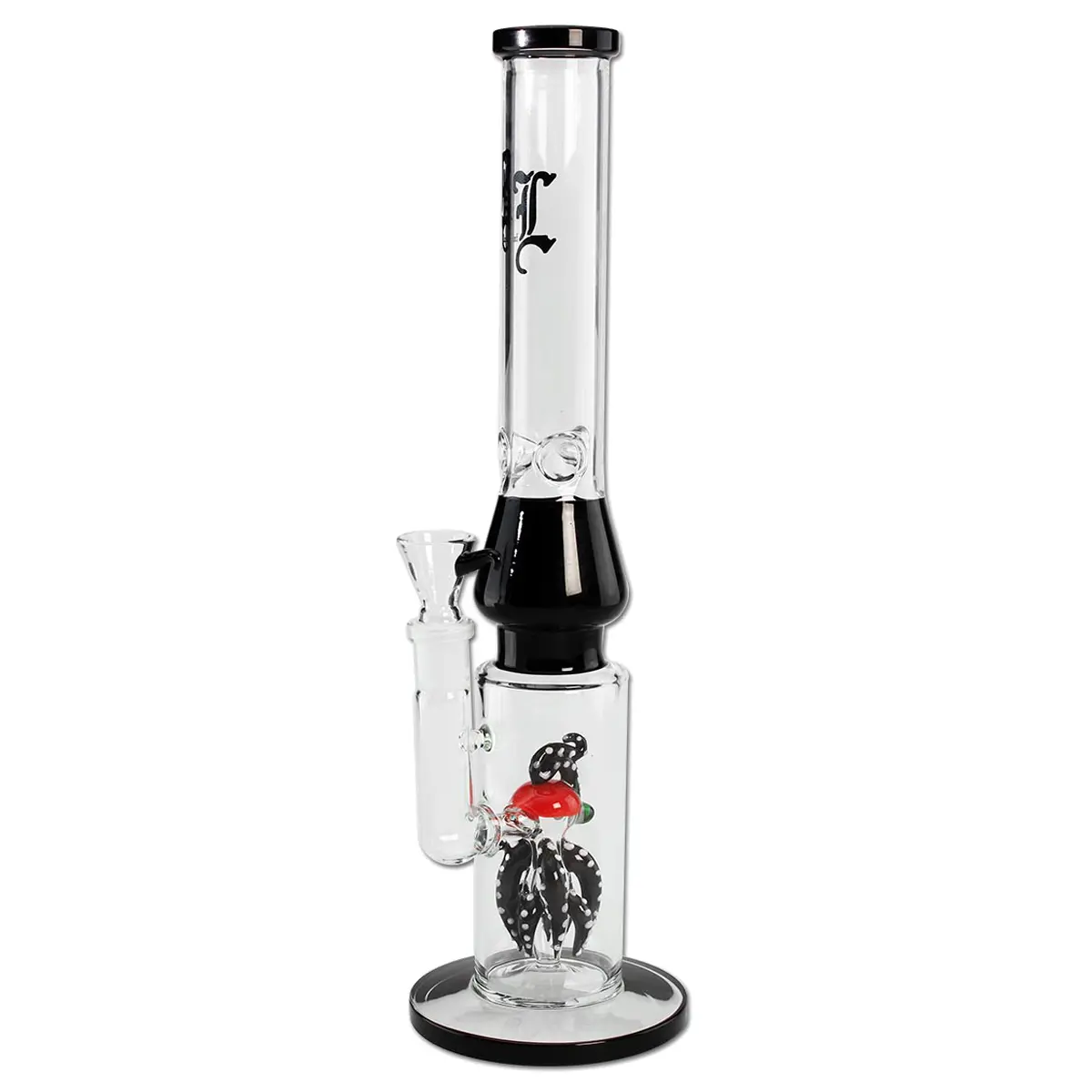
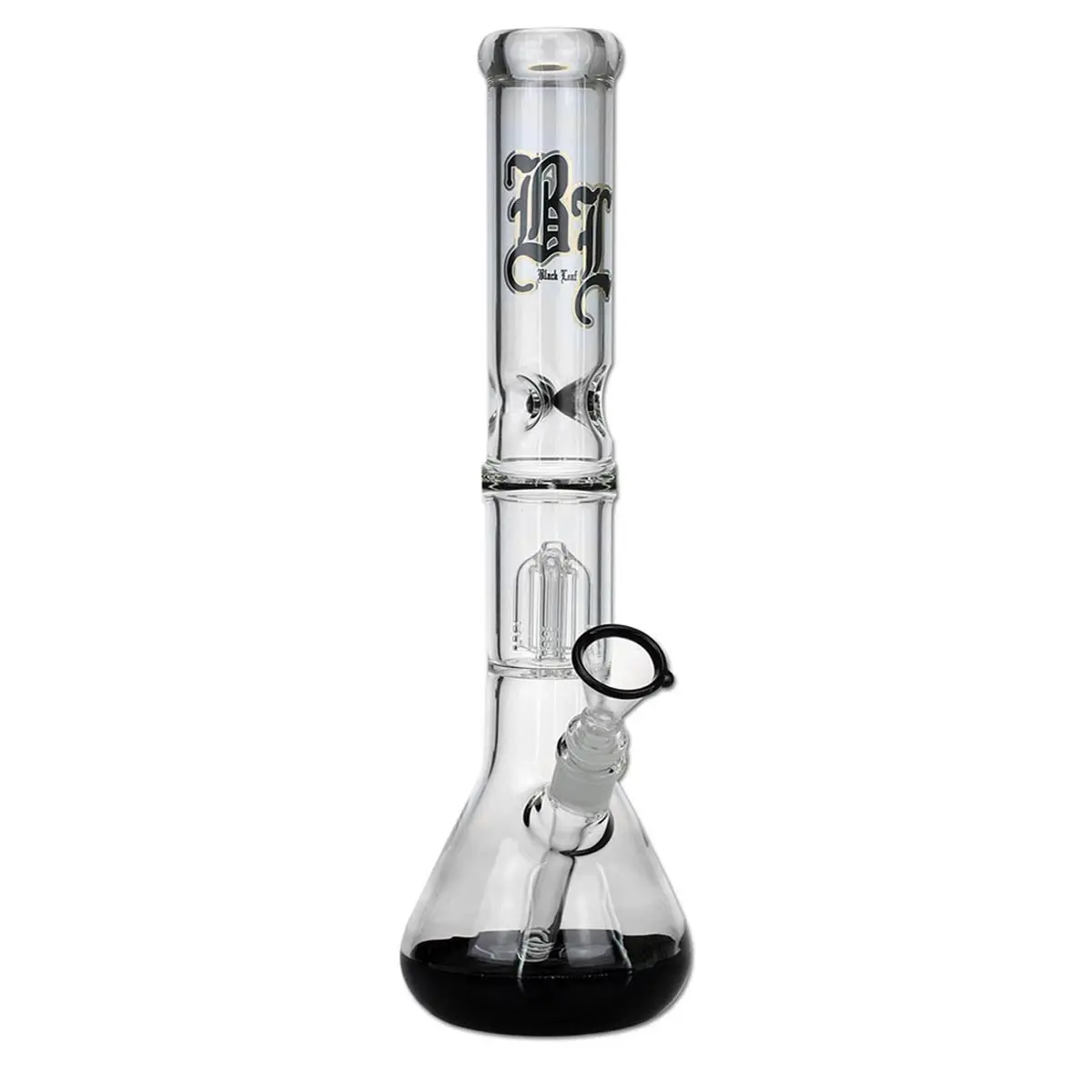
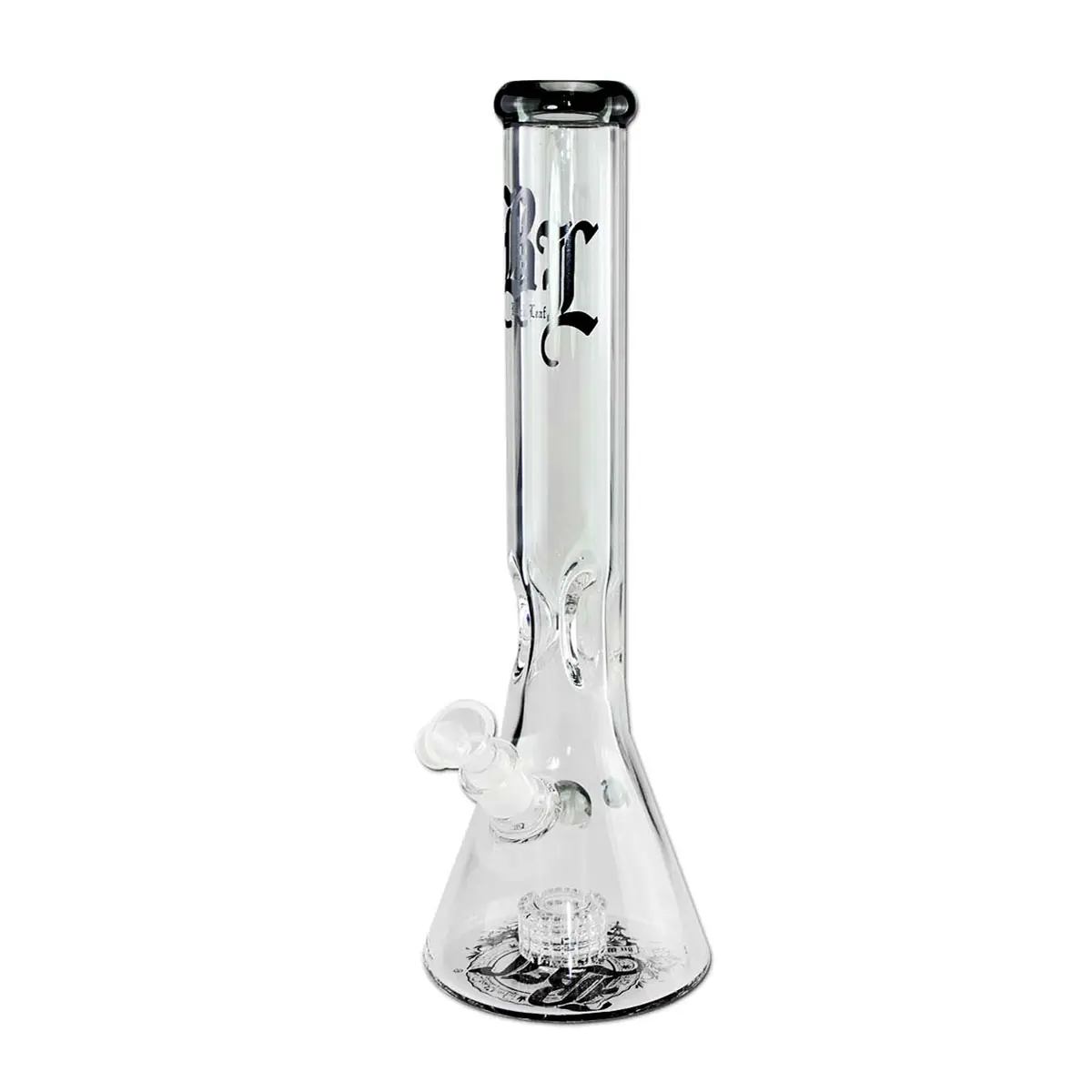
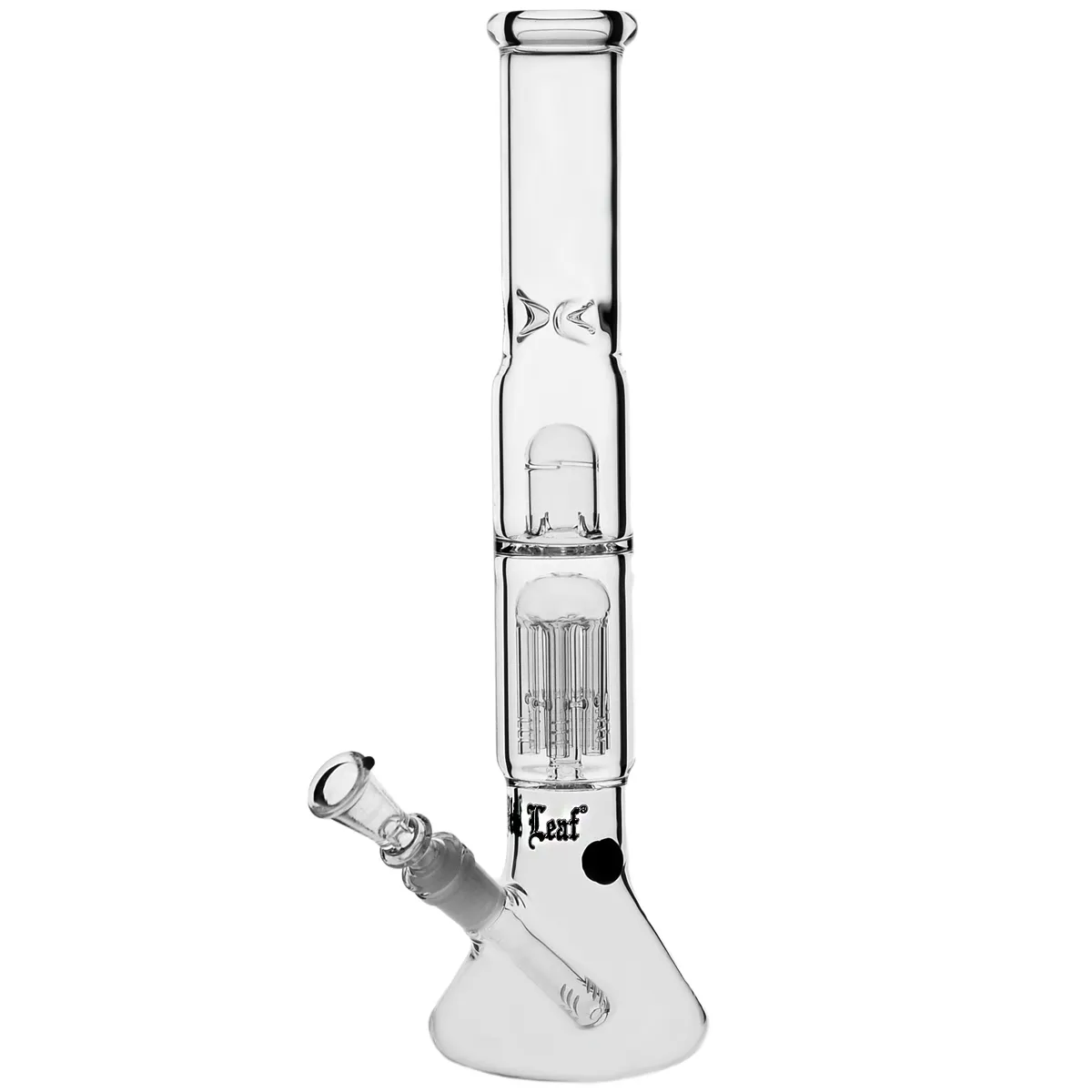
A dome perc consists of a dome- or bell-shaped glass cover placed over the rising smoke tube, so that the smoke is first collected and condensed under the dome before escaping into the surrounding water through fine slits or openings at the bottom edge or in the dome wall. Through this targeted bundling and subsequent flowing through the water, the smoke is effectively cooled and solid smoke softening is achieved. Thanks to their compact, closed, and arched design, dome percolators often prove to be more stable against mechanical stress in everyday use compared to more delicate models. In addition, they are usually easier to clean due to their smoother and less convoluted surface structure, making residues easier to remove.
Tree Percolators (Tree Percs)
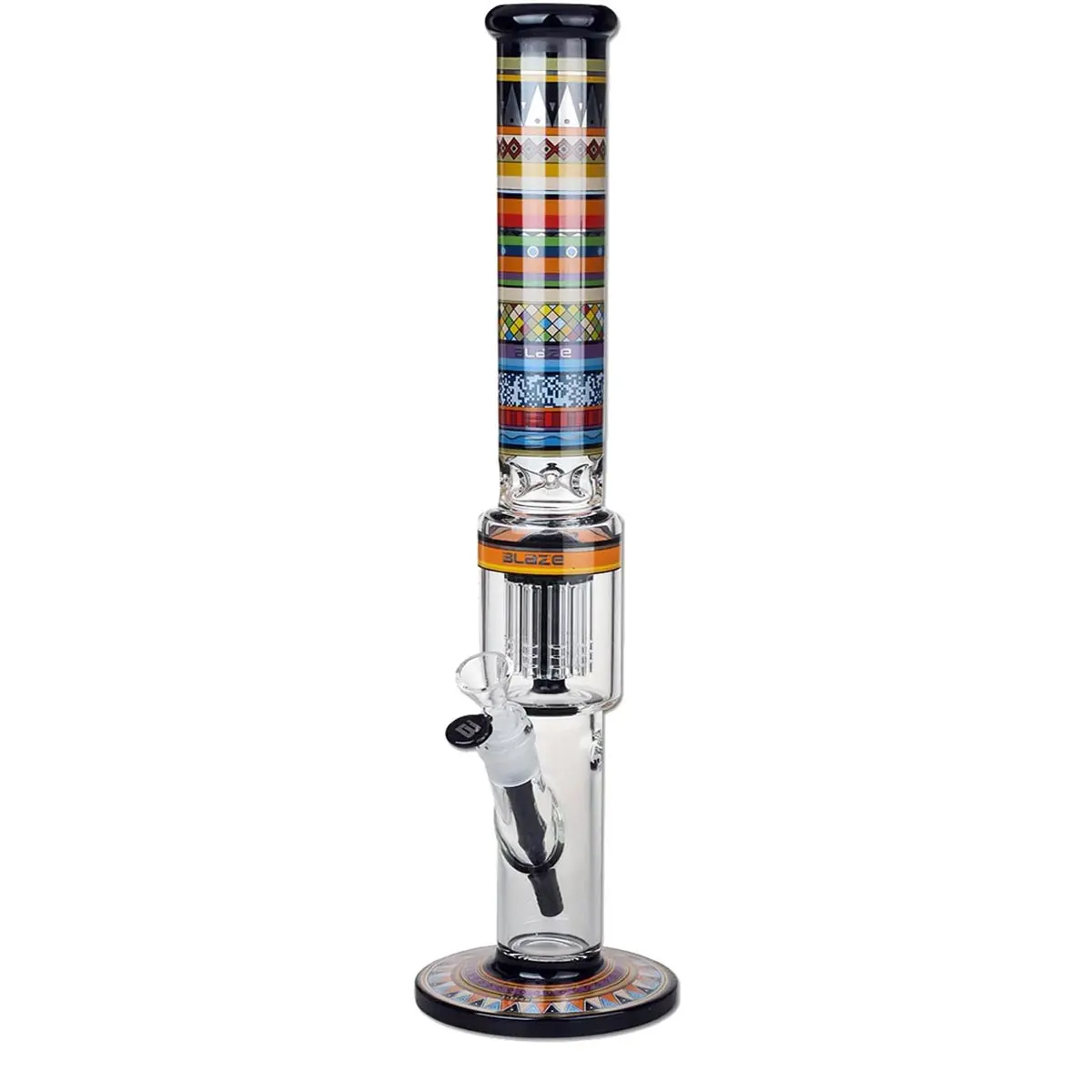
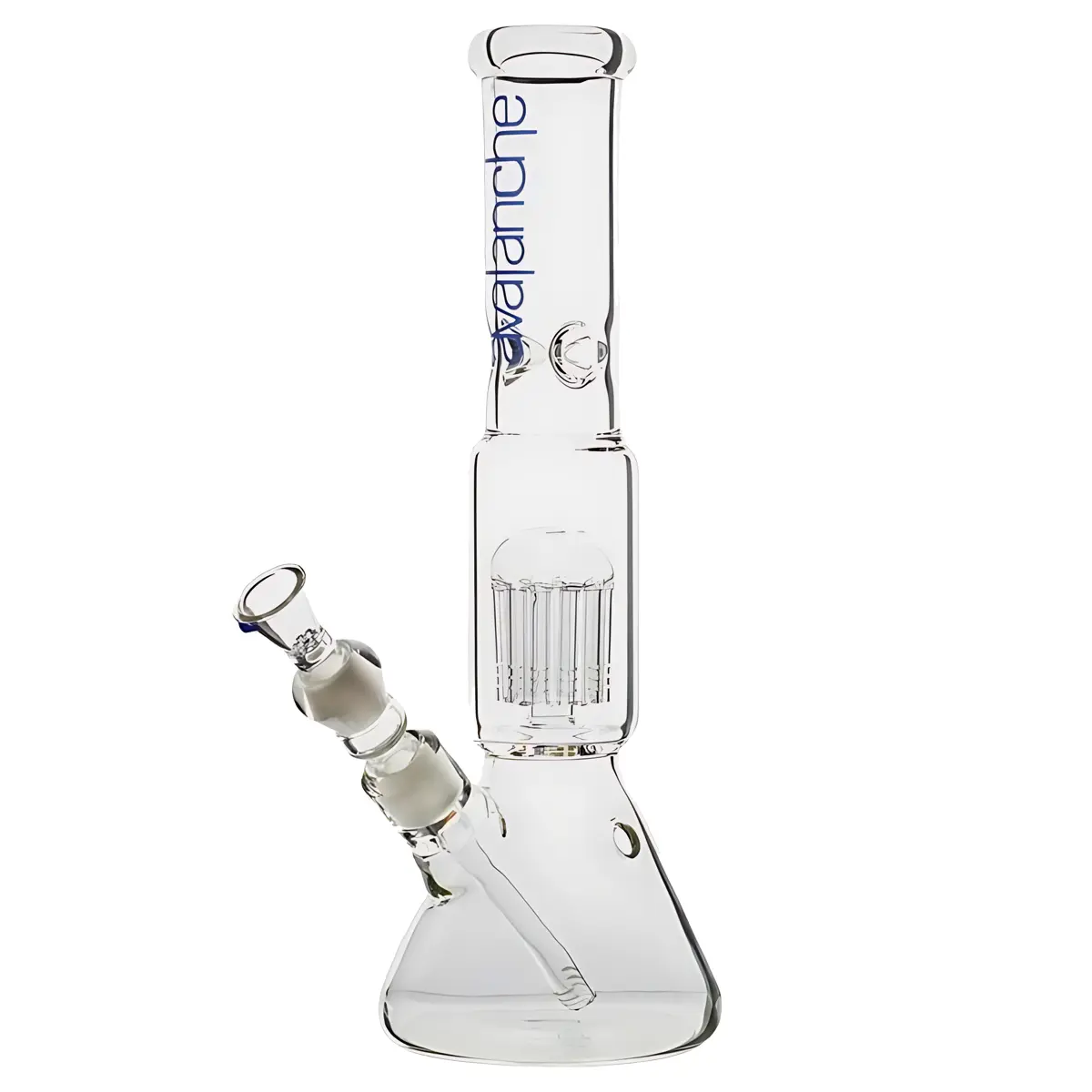
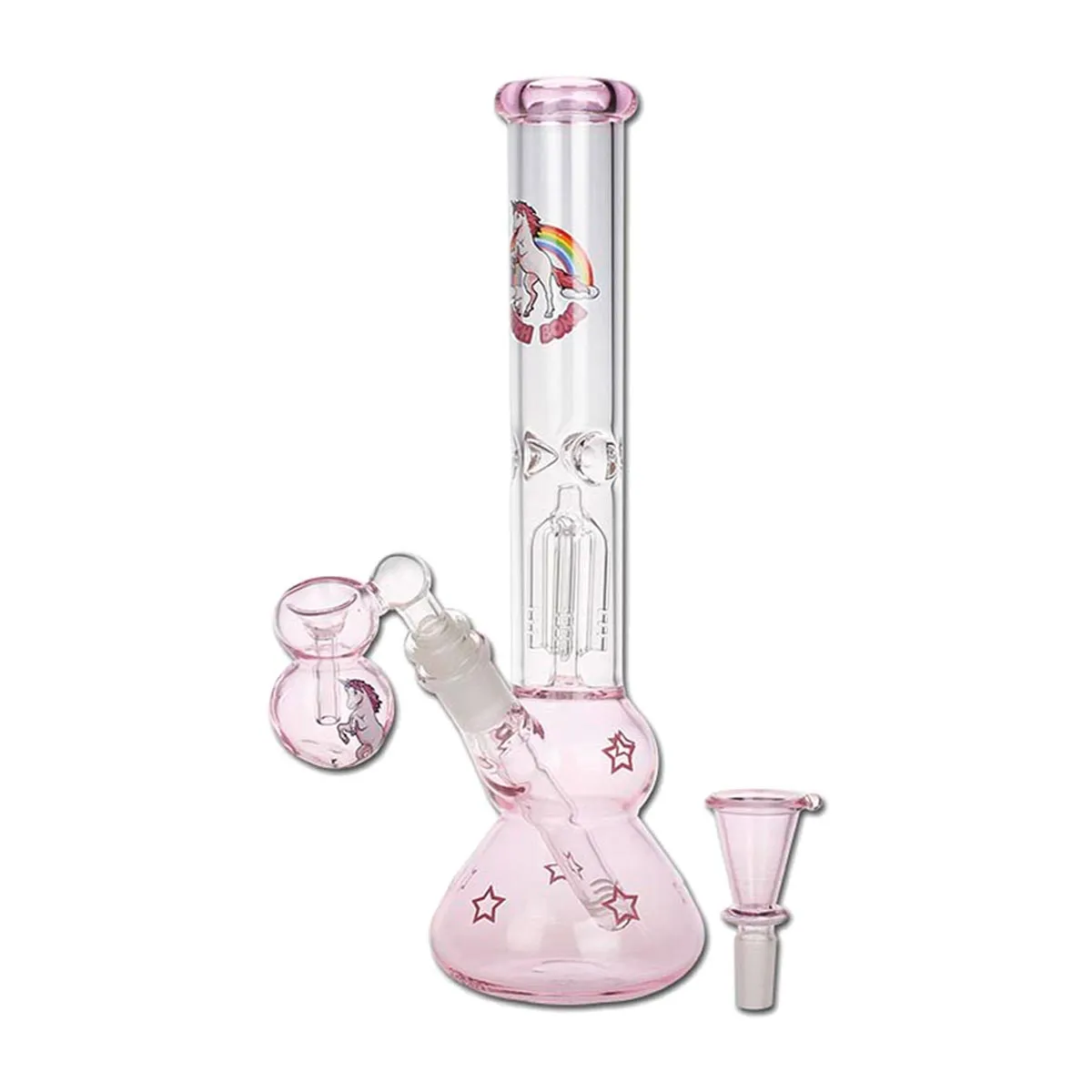
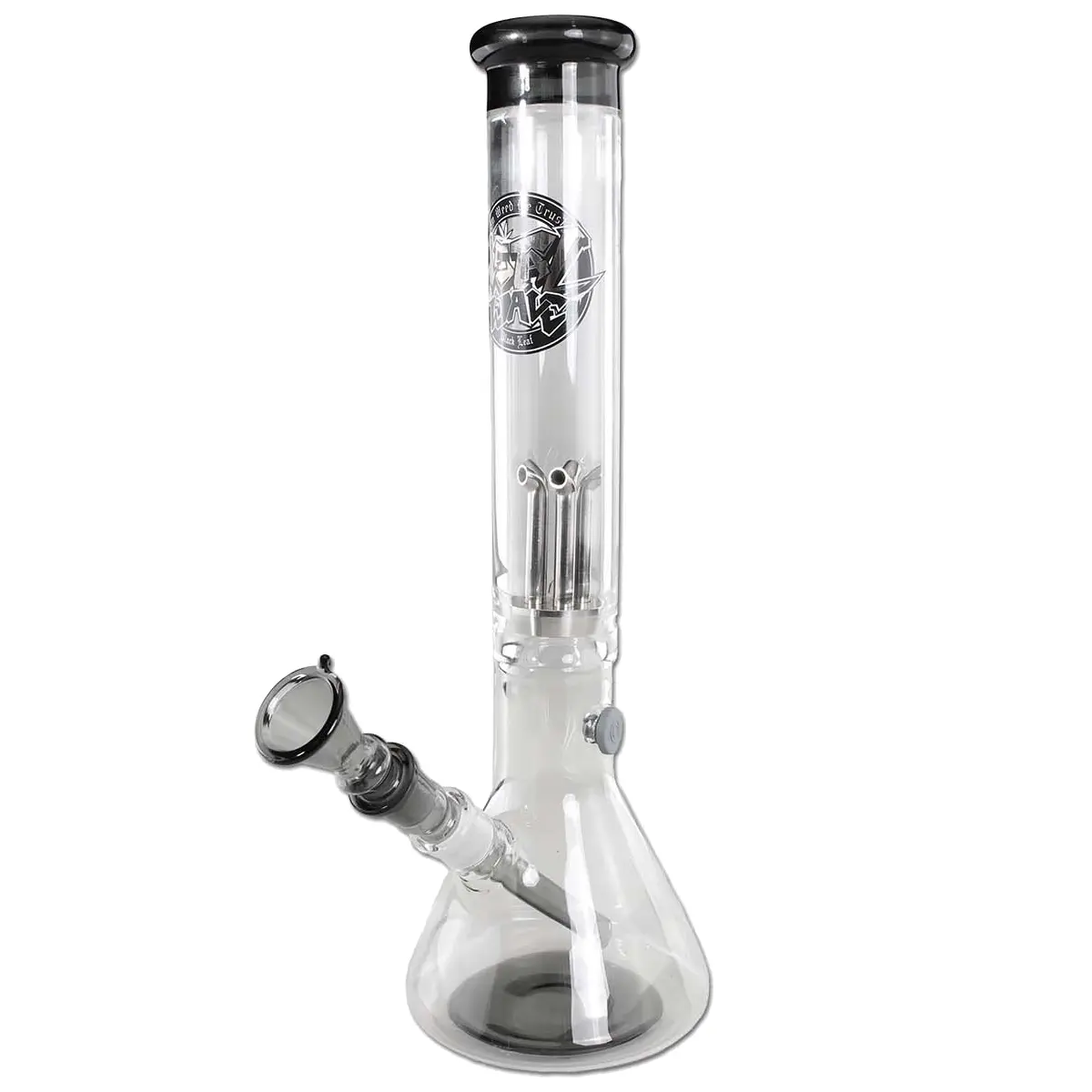
This design resembles the shape of a tree and consists of several vertical tubes or arms that branch out radially from a central cylinder, in order to atomize the smoke extremely finely in the water through a multitude of slotted outlet openings and achieve outstanding filtration performance as well as excellent swirling. The enormous number of small nozzle arms ensures that the surface area of the smoke is maximized, leading to a particularly smooth and pleasant inhalation experience. However, this complex and delicate structure requires increased caution during handling and mechanical maintenance to avoid damage to the thin glass arms. With careless or overly enthusiastic cleaning using rigid brushes, there is otherwise a relatively high risk of glass breakage, which is why gentle soaking methods are often recommended here.