
Bong Joints: Everything That Connects
Weed Wissen
Especially among casual newcomers, the confusion around the various bong features runs deep, and it unfortunately contributes to plenty of wrong purchases. So on this page and in the lines below, here's a quick rundown of the different joint types.
The standard joint (Normalschliff)
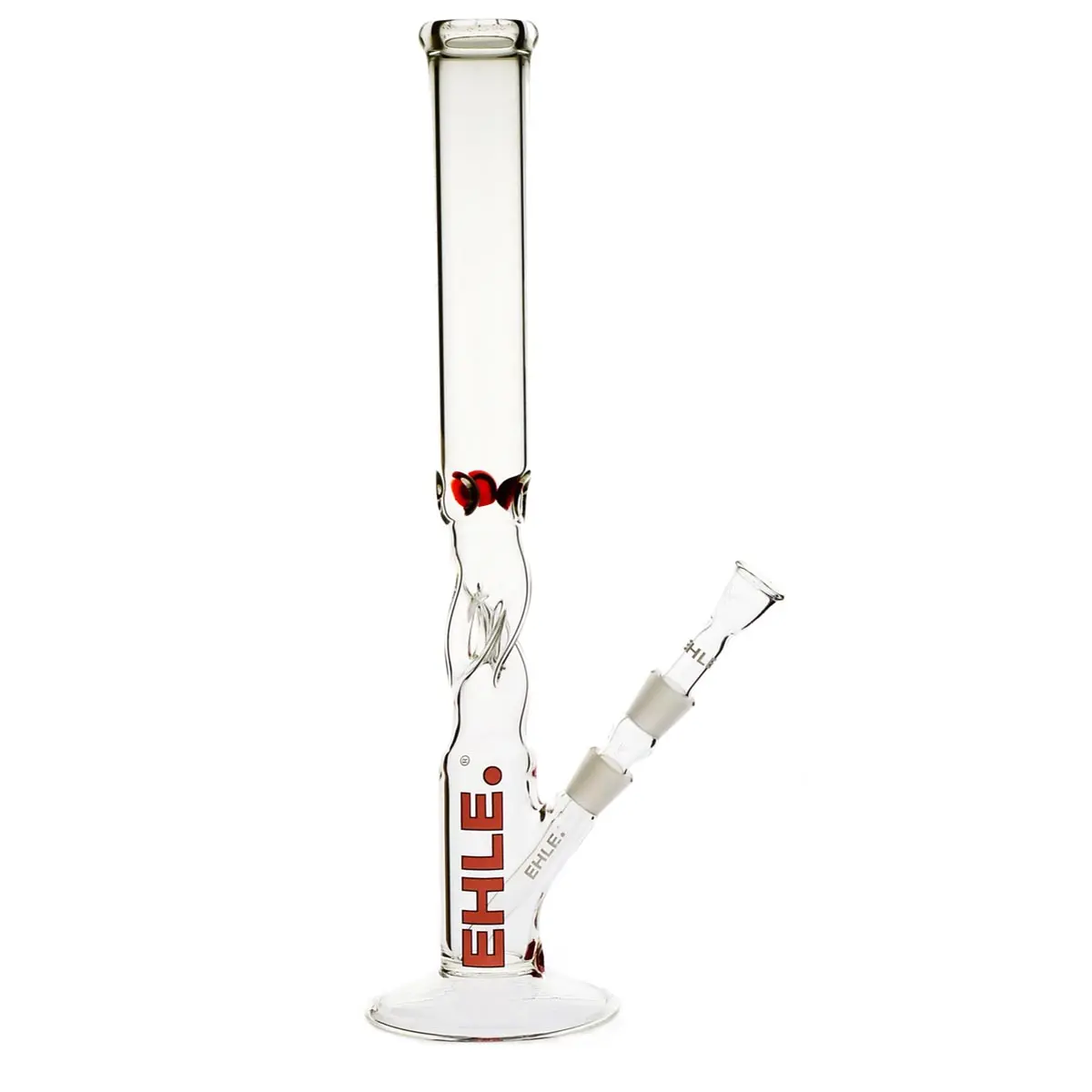
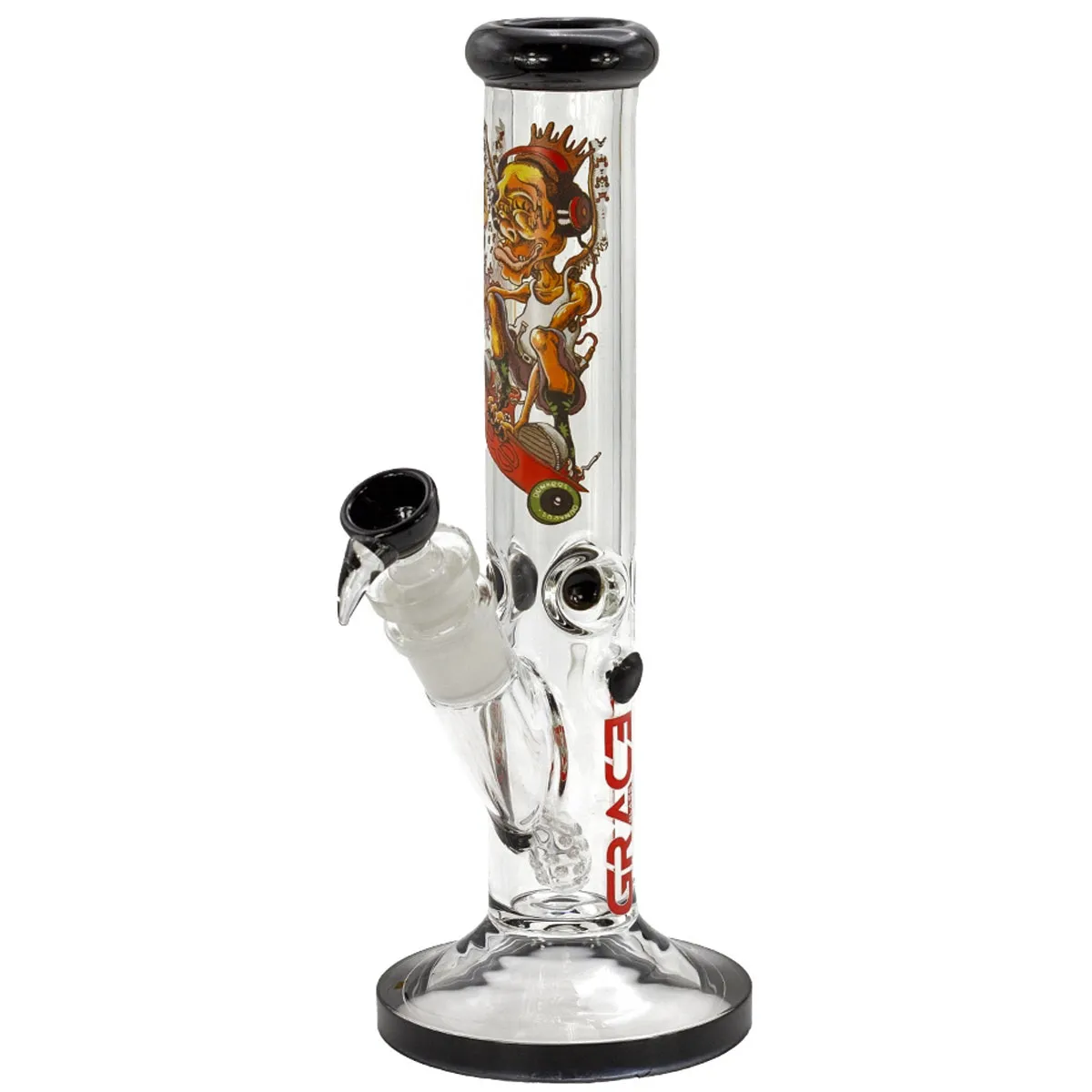
"Joint" is the term for the connection points on a glass bong. In most cases this refers to where the chillum fits into the bong and the connector from the bowl to the chillum or diffuser. These always have to be chosen in the same joint size (see below) to guarantee a proper fit. Unfortunately these joints are often rather fragile and can break easily. In the worst case such damage can even render the whole bong unusable. That's why some manufacturers came up with something:
The hammer joint (Hammerschliff)
The hammer joint counters the problem of the usually rather thin joint sections, which under careless movements like to crack and so put the chillum, or worse, the bong itself, at risk. With a hammer joint the glass thickens around the connector and thus forgives rougher handling too. Still: everything has its limits, there's no such thing as 100% break resistance with glass bongs.
The Panzerschliff (reinforced joint)
The Panzerschliff goes one step further: the thickening of the connection point is a touch more generous than with the hammer joint. G-Spot Bongs, among others, are known for their Panzerschliff.
The insidecut
The insidecut follows a similar approach, but here it also draws on the glass of the pipe itself. The glass mount for the chillum or diffuser sits directly on the body of the pipe and isn't pulled out of it. This makes the pipe itself less prone to lateral pulling forces and the damage they cause. Breaks, if they happen, then occur on the chillum itself.
Joint sizes
When it comes to the joint sizes you need, several standards have become established. Most bongs and accessories come with one of the following joint diameters:
- 12.5mm
- 14.5mm
- 18.8mm
- 29.2mm
The two middle sizes are by far the most common. 12.5mm is still occasionally found on very small glass bongs, while 29.2mm is usually reserved for oversized giants.
Adapters
If, for instance, you want to combine leftovers from an old bong (bowl, chillums, diffuser, etc.) with a new purchase but it fails because of the different joint sizes, in most cases suitable adapters will get you out of trouble. Here, though, you usually step down or up to the nearest size, so for example from 14.5mm to 18.8mm or the other way round. Adapters from 14.5 to 29.2, or from 12.5 to 18.8, are unfortunately very rare and hard to find.

Insidecut
Der Insidecut verfolgt einen ähnlichen Ansatz, nützt hierbei aber gleich das Glasmaterial der Pfeife selbst mit aus. Der Glasansatz für Chillum oder Diffusor befindet sich hier direkt am Pfeifenkörper und ist nicht aus demselben herausgezogen. Dadurch ist die Pfeife selbst weniger anfällig für seitliche Zugbelastungen und den damit verbundenen Schäden. Brüche erfolgen wenn dann am Chillum selbst.Schliffgrößen
Bzgl. der notwendigen Schliffgrößen haben sich verschiedene Standards etabliert. Meist erhält man Bongs bzw. das Zubehör mit folgenden Schliffdurchmesser:
- 12,5mm
- 14,5mm
- 18,8mm
- 29,2mm
Adapter
Wer z.B noch Altbongreste (Köpfchen, Chillen, Diffusor, etc) mit einer Neuerwerbung kombinieren möchte, dies aber an den unterschiedlichen Schliffgrößen scheitert, kann sich in den meisten Fällen mit geeigneten Adaptern behelfen. Allerdings wird hier meist auf die nächstliegende Größe reduziert bzw. vergrößert – also z.B von 14,5mm auf 18,8mm oder umgekehrt. Adapter für 14,5 auf 29,2 oder auch von 12,5 auf 18,8 sind leider sehr selten und kaum zu bekommen.