
Bong Material: Glass, Acrylic, or Something Else Entirely?
May 22, 2023 Der Knospenzwirbler
Weed Wissen
Weed Wissen
Glas, Acryl oder doch ein anderes Material? Wir zeigen dir, welches Bong-Material zu deinen Ansprüchen passt und wo die jeweiligen Stärken und Schwächen liegen.
When buying a bong, plenty of questions come up. The first and most important decision you have to make is choosing the right material.
The two most common materials on the market are glass and acrylic. Each of them has its own specific pros and cons. We present these in the respective subsections below.
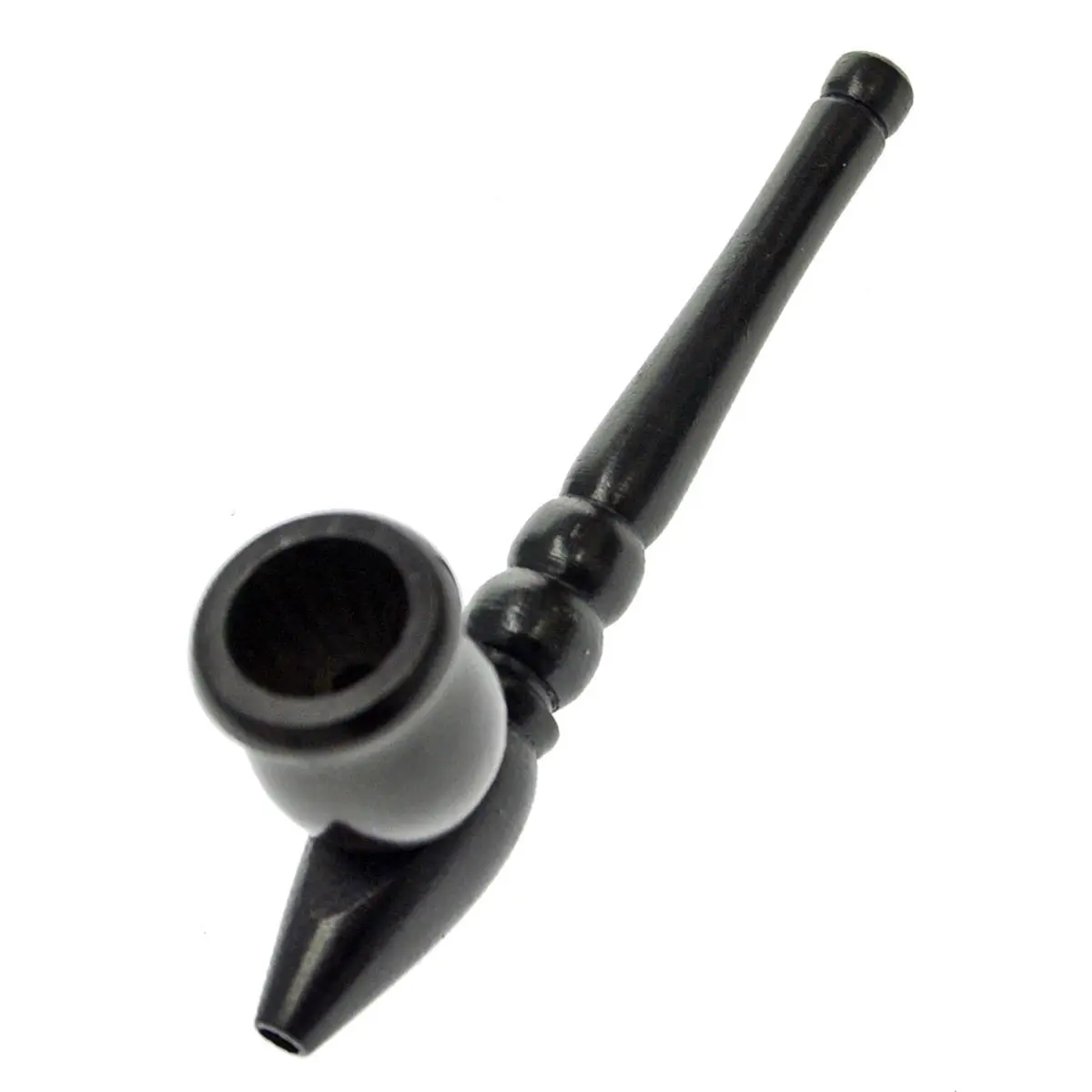
By now, alongside glass and acrylic, there are also bongs made from more exotic materials such as bamboo. Bongs made of aluminium or stainless steel are available too. In the third subsection on materials you'll find more detailed information as well as the pros and cons of these rather unusual bong materials.


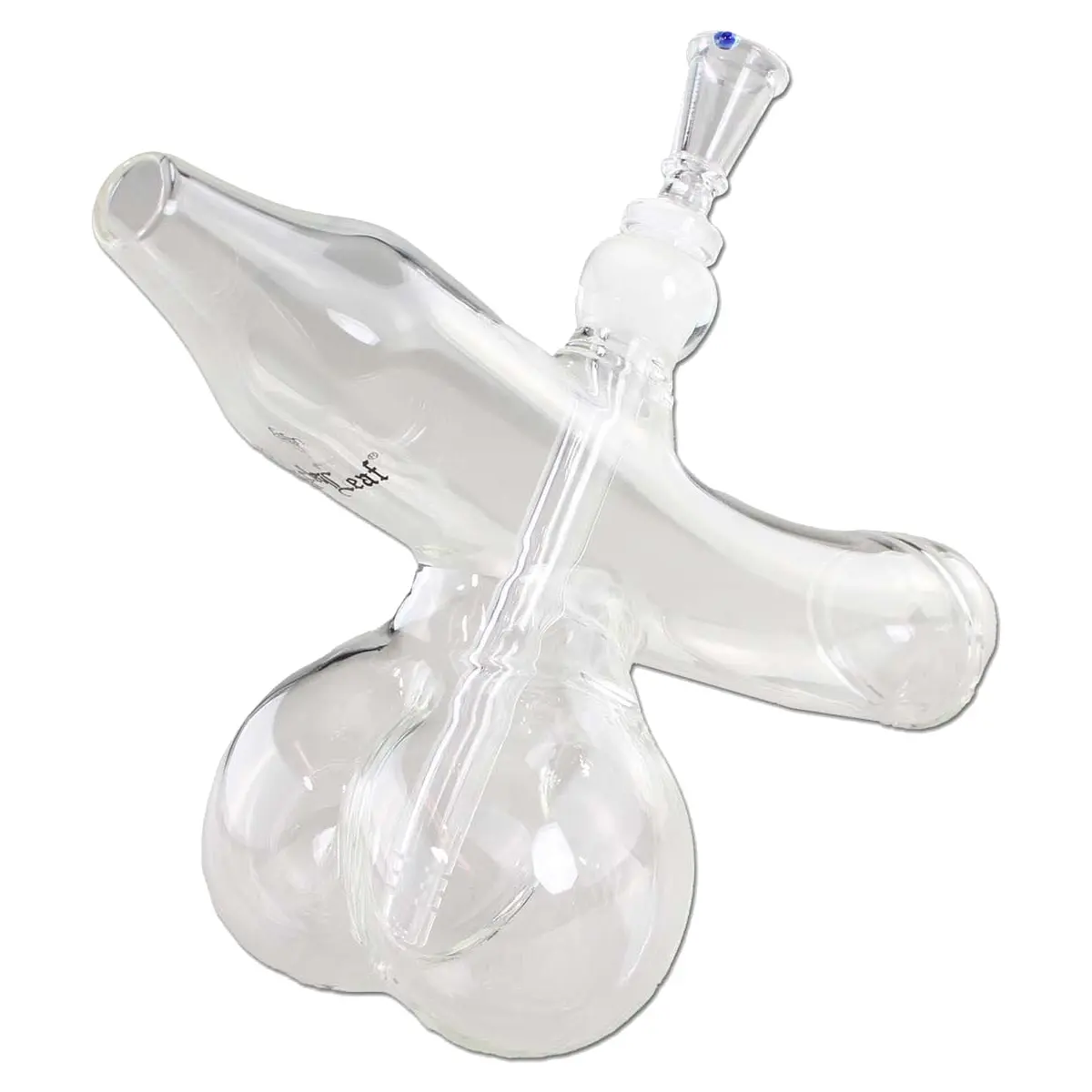
Modern bongs are a marvel of smoking theory even in their concept and, thanks to advanced glassworking techniques, an extremely fine thing in practical terms too. What gets a little lost is the old-school feeling of days gone by, when you could hardly find two identical pipes in one town. As part of a small revival, glass art and hand-blown artisan pipes keep becoming available again.
Unlike many mass-produced bongs, hand-blown pipes are in principle handmade and produced without any machine help. You can tell from the fact that no two pieces are 100% alike and slight variations in shape, colour and design are simply in the nature of the thing. So the smoker can call a genuine one-of-a-kind (if not an incomparable one) their own.
The two most common materials on the market are glass and acrylic. Each of them has its own specific pros and cons. We present these in the respective subsections below.
By now, alongside glass and acrylic, there are also bongs made from more exotic materials such as bamboo. Bongs made of aluminium or stainless steel are available too. In the third subsection on materials you'll find more detailed information as well as the pros and cons of these rather unusual bong materials.
What are the pros and cons of glass bongs?
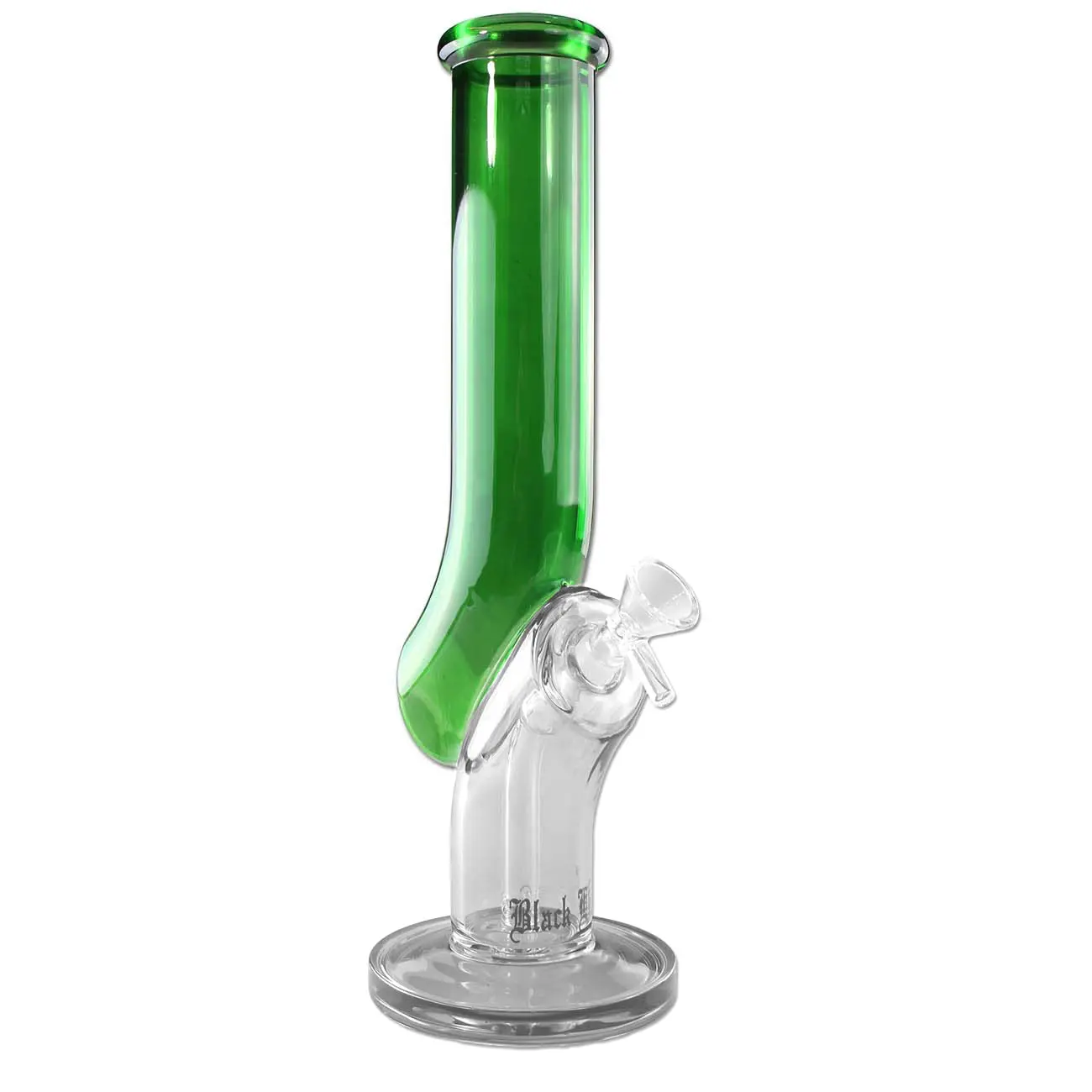
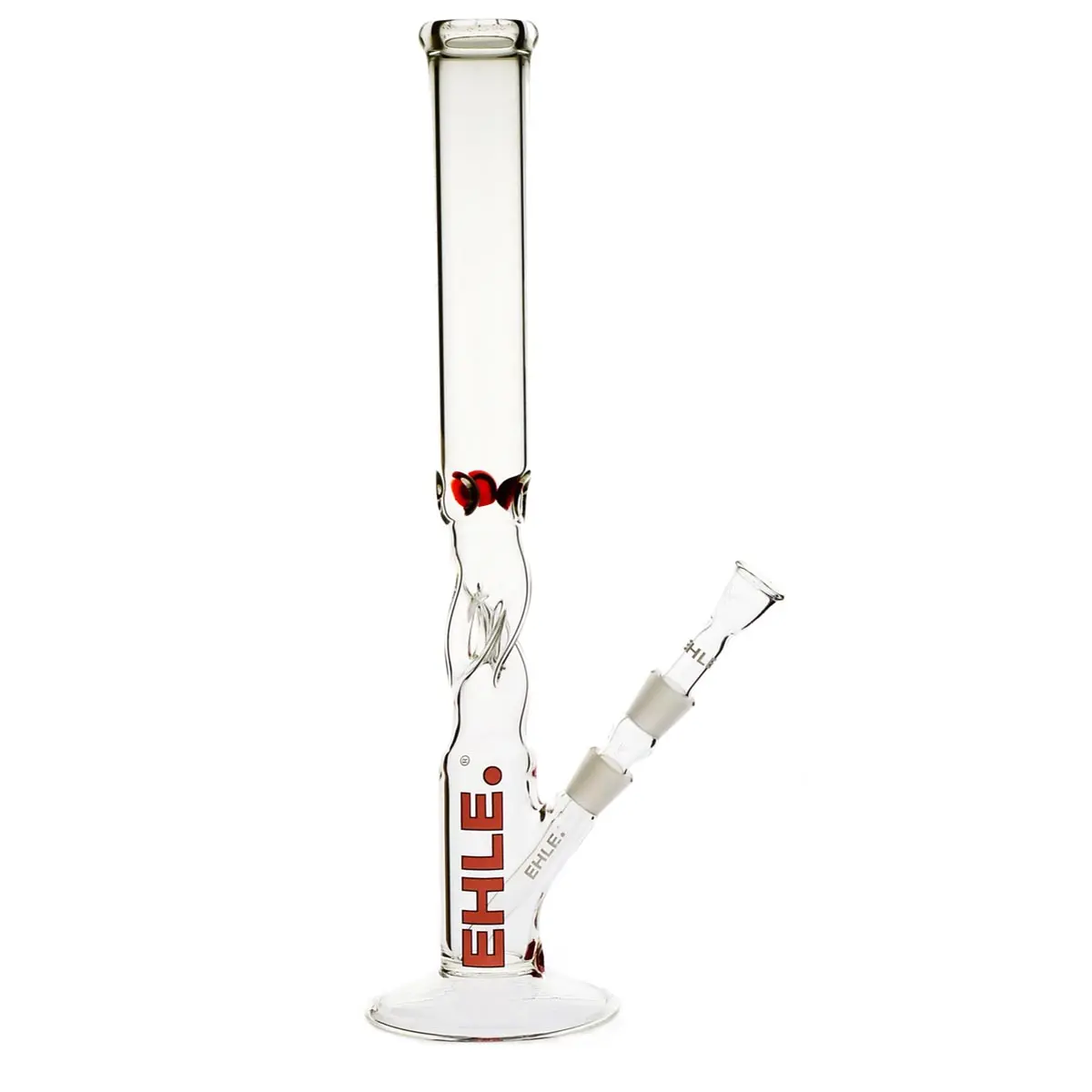
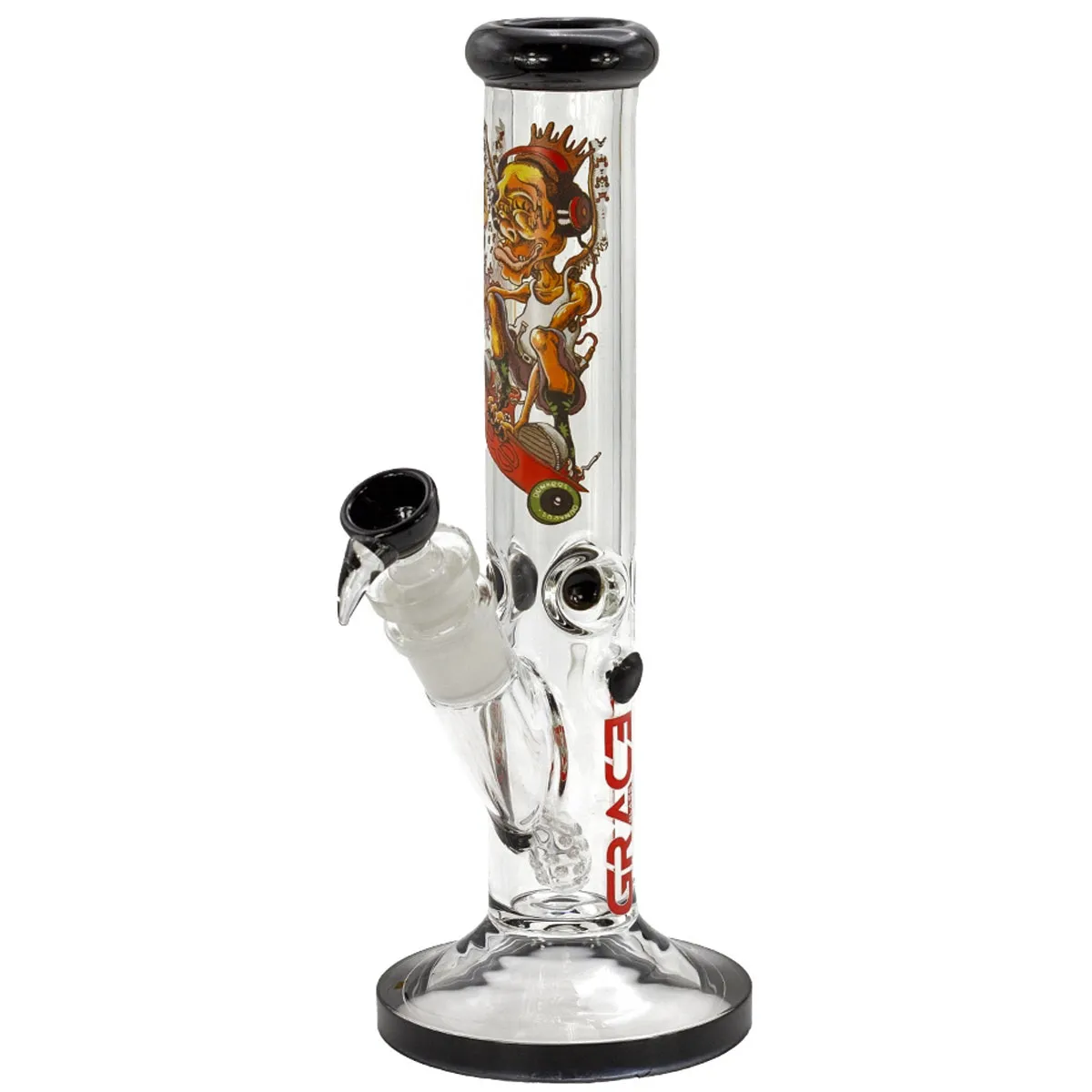
Glass is the classic bong material. It has a number of qualities that make it ideal for building bongs. Below we take a closer look at glass and its pros and cons. The advantages of glass bongs
- Modern glass bongs are usually made from borosilicate glass. You'll often see the name Duran glass too, a particularly high-quality variant of borosilicate glass. Borosilicate glass is known for its exceptional heat resistance and, besides bong making, is mainly used for laboratory glassware. It is extremely durable and robust.
- There are bongs made of crystal glass, but these are almost prohibitively expensive and a pure niche product. The same goes for the once very popular hand-blown artisan glass bongs.
- Glass takes on virtually no foreign taste. A well-cared-for glass bong can still taste fresh and pleasant even after years. There are now even dishwasher-safe versions.
- There are countless attractive models. Many specialised manufacturers now exist, Ehle being just one example, producing glass bongs of enormous quality. Alongside attractive looks, there are now bongs that are practically indestructible in normal use thanks to their enormous glass thickness of 8mm and more.
- Glass bongs are stable. Thanks to their relatively high weight, glass bongs don't tip over as easily as acrylic models. The glass foot shifts the weight further down, increasing the bong's stability even more.
- There are standard joint sizes. Since standard ground-glass joints have become established on the market, accessory parts from different manufacturers can be combined to build smoking devices tailored to your individual taste.
The disadvantages of glass bongs
- Glass can break. No matter how high the quality, when you buy a glass bong you always take the risk of a total loss from an unlucky fall off the table or out of your hand.
- Glass bongs are comparatively expensive. Compared with acrylic, making a glass bong is more involved, safe shipping is trickier and storage more complex. All of this leads to considerably higher prices.
What are the pros and cons of acrylic bongs?
Alongside glass, acrylic has established itself as the second standard material for bongs. So what pros and cons should you weigh up when buying an acrylic bong? The advantages of acrylic bongs
- Acrylic bongs are made of acrylic glass. The term Plexiglas is also commonly used, though it's less common in the bong world. Acrylic glass is known for its high resistance to breaking. In normal use it's almost impossible to destroy an acrylic bong.
- Acrylic is easy to shape. That's why there's a wide range of very different models. Models with ice notches are now available, as are designs whose complex form would be hard to achieve with any other material.
- Acrylic comes in many colours. While coloured versions of glass bongs are usually considerably more expensive, this is no obstacle with acrylic bongs. So if you have particular colour preferences, an acrylic bong is hard to beat.
- Acrylic bongs are light. So if you're looking for a portable bong for festivals and the like, acrylic is especially suitable. Its particular durability is a real advantage here too, of course.
- Acrylic bongs are cheap. Because the material is easy to work and ships without trouble, acrylic bongs are usually considerably cheaper than glass versions. There's also a large selection of small entry-level models.
The disadvantages of acrylic bongs
- Acrylic bongs are relatively unstable. Due to the low weight of the material, acrylic bongs tip over more easily. Because of their break resistance this isn't as dramatic as with glass, but with larger models it can easily lead to regular floods.
- Acrylic bongs aren't permanently taste-neutral. Unlike glass, an acrylic bong takes on a certain flavour of its own even with regular cleaning, which can really dampen the pleasure of a smoke.
- Acrylic bongs are cheap bongs and unfortunately usually have a somewhat cheap look too. Although there are now extremely high-quality acrylic models such as the Jetstream bongs, these cost roughly the same as an equivalent glass bong. Acrylic's main advantage, the price, is then significantly relativised.
Other materials for bongs
Besides the standard materials acrylic and glass, there's now a whole range of alternatives. Below we go through them briefly and give an overview of the respective pros and cons of each material. Regardless of the individual material, all these bongs share one big advantage: they stand out pleasantly from the standard. Stainless steel and aluminium
- Especially break-resistant. Both materials are extremely sturdy.
- Excellent cooling properties. Both stay cold for a long time and cool the smoke more strongly than acrylic or glass.
- Boring shapes. It's hard to produce either material in anything other than a plain tubular form. This does make cleaning easier, but it's not much to look at.
- Limited taste neutrality. Aluminium tends to develop a strong flavour of its own over time. With stainless steel this is hardly or not at all the case.
- Comparatively expensive. Especially given the simple shape, both metal versions are relatively expensive, particularly compared with acrylic bongs.
Ceramic
- Ceramic can be worked well. This allows for models that look more like a figurine than a simple bong.
- Various coloured versions. Thanks to the different ceramic glazes, ceramic bongs come in almost any colour. Colour gradients and the like are easily possible too.
- Relatively heavy and stable. Since ceramic bongs are usually rather small, they have a low centre of gravity. Together with the higher weight compared with acrylic, this makes a ceramic bong a good choice for surfaces that need protecting.
- Not taste-neutral. Depending on the glaze, the bong takes on flavour relatively quickly and thus significantly reduces smoking enjoyment.
- Fragile. Ceramic breaks relatively quickly from a fall or knock, so particular care is needed when using a ceramic bong.
Bamboo
- Bamboo is inexpensive. Bamboo has been used in Asia as a sturdy material for thousands of years. Working it is therefore well-developed and cost-effective.
- Natural material. When disposed of, bamboo poses no additional environmental burden.
- Ecological. A bamboo bong is largely made by hand, and thanks to the lightness of the material, transport doesn't burden the environment excessively either.
- Not taste-neutral. Bamboo bongs usually have a relatively strong flavour of their own from the start. This intensifies with regular use and can become very unpleasant.
- Bamboo can rot. As a natural material it draws water and can't be cleaned anywhere near as well as glass or acrylic. To counteract this, chemical glazes are often used which do increase durability but can at the same time be harmful to health and defeat the whole idea of an organic bong.
Hand-blown artisan glass
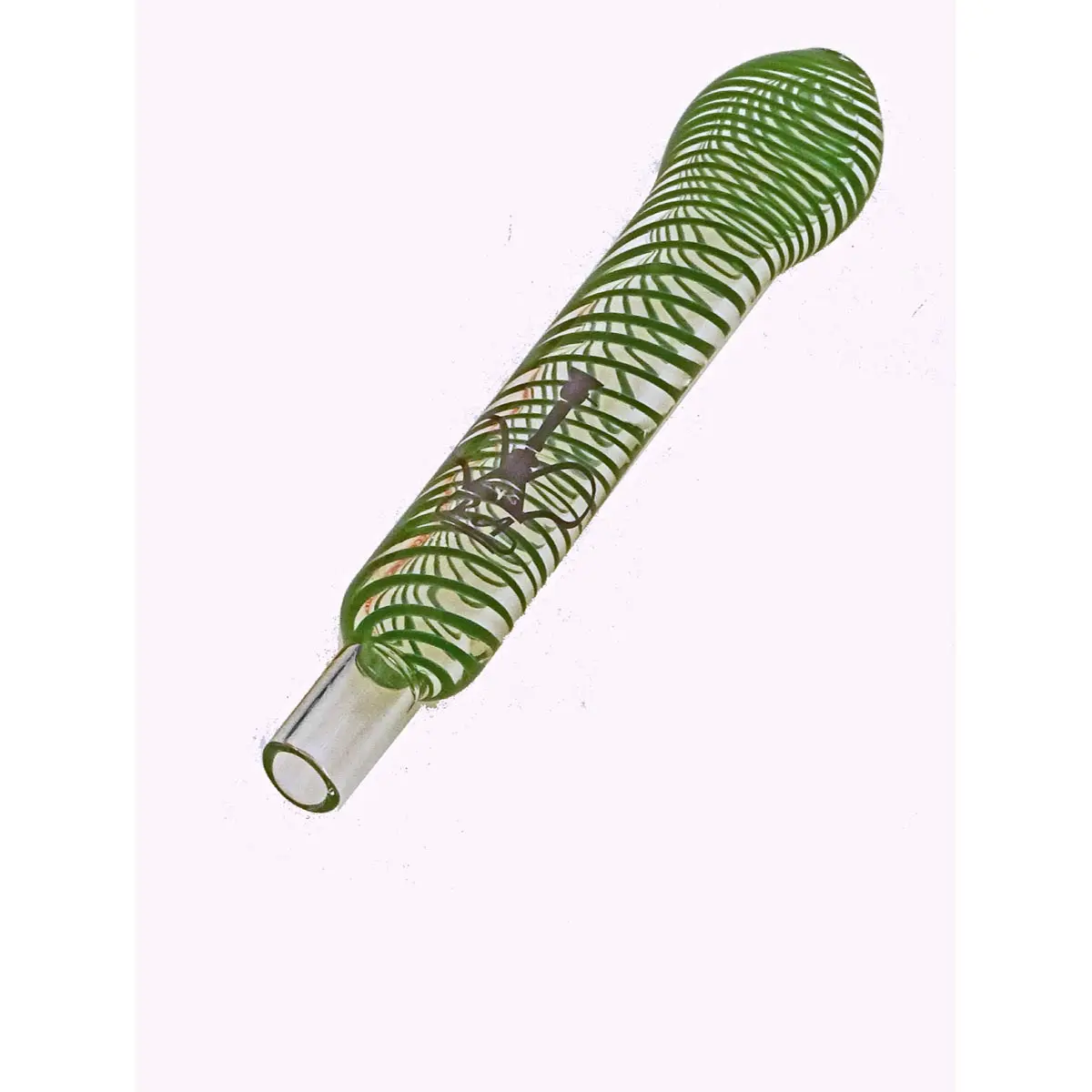
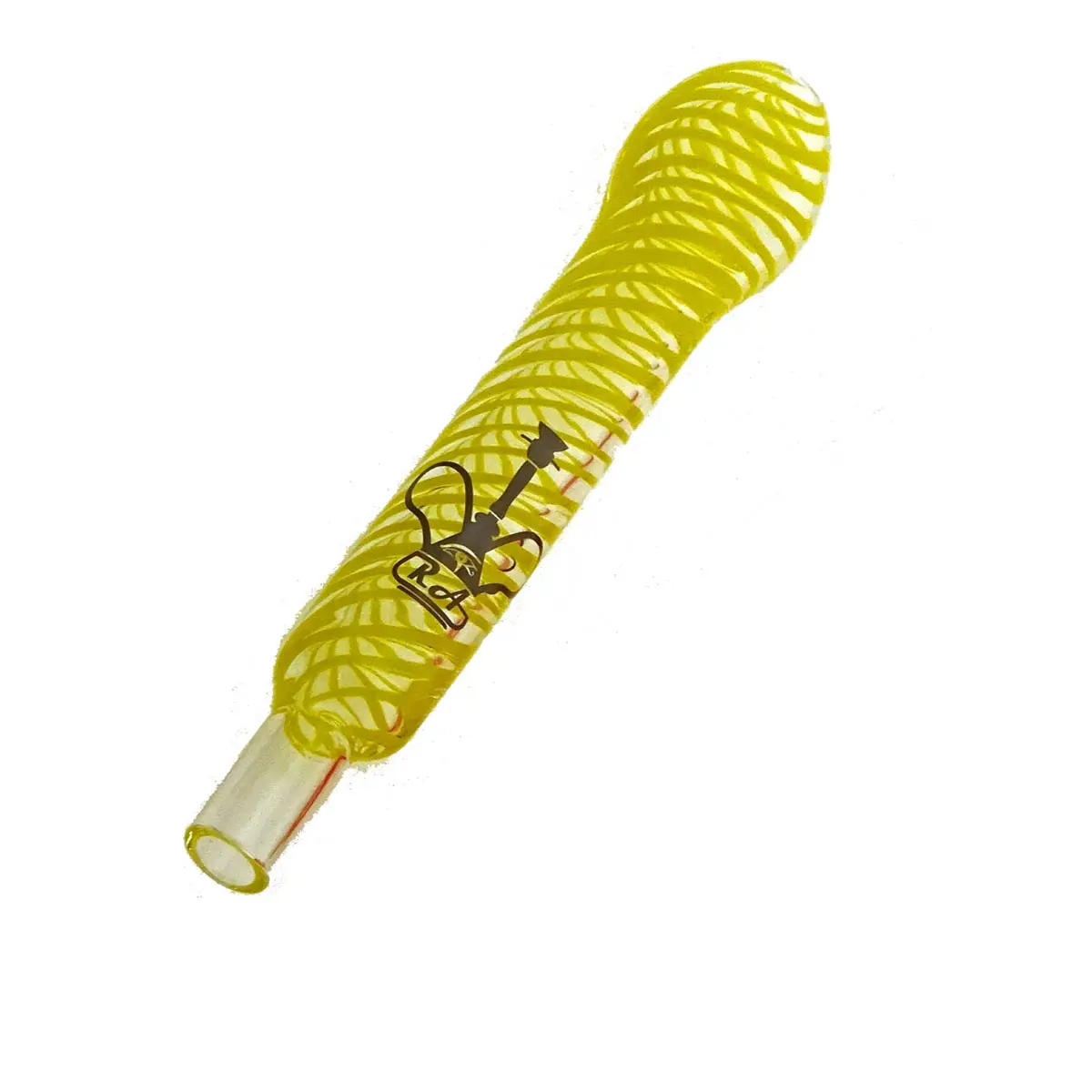
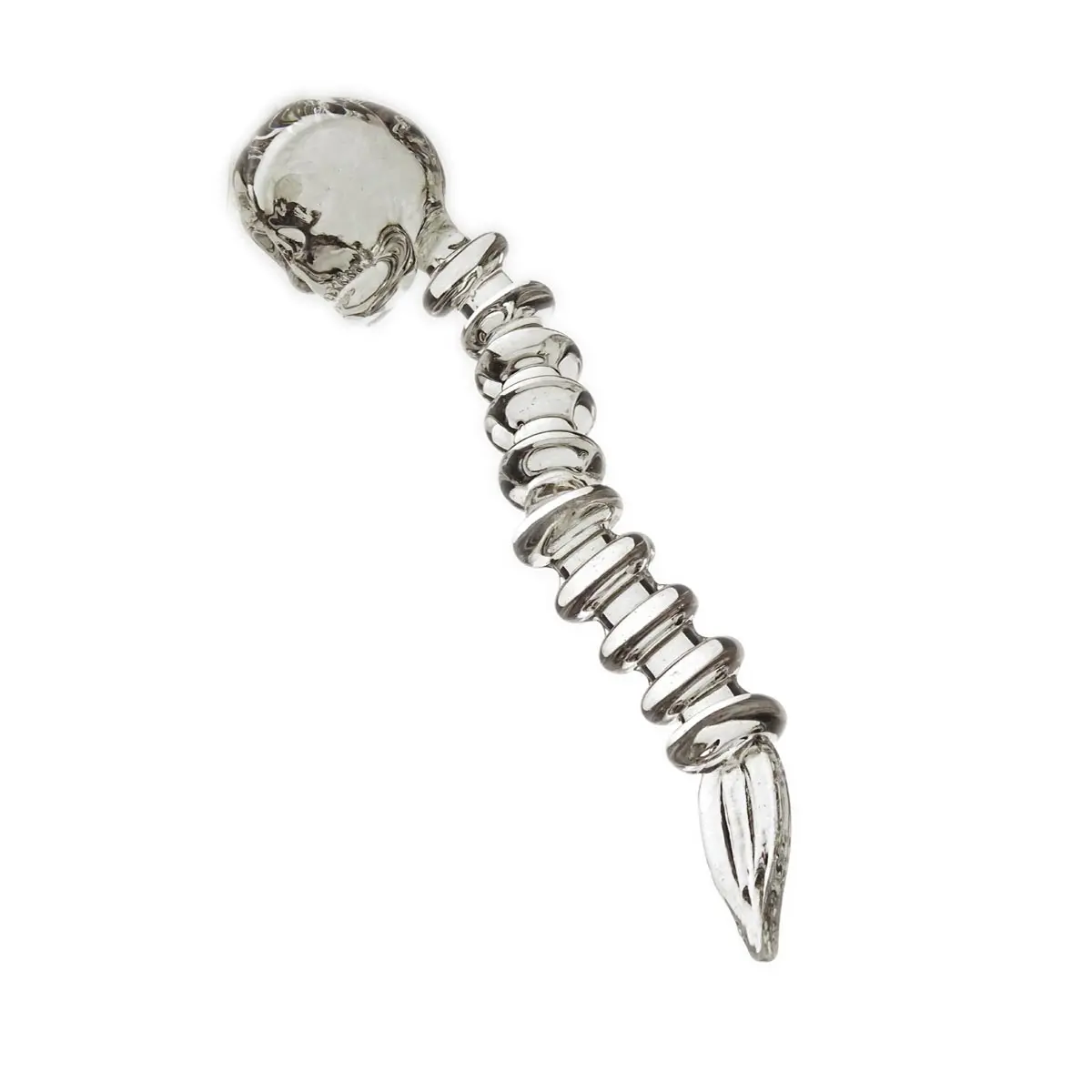
Artisan glass pipes ("Hüttenglas") are glass bongs at their core, but they still have a few special features. They remain a good choice for occasional smokers with an eye for special design. The available sizes range from just over 10 to almost 50 cm.Modern bongs are a marvel of smoking theory even in their concept and, thanks to advanced glassworking techniques, an extremely fine thing in practical terms too. What gets a little lost is the old-school feeling of days gone by, when you could hardly find two identical pipes in one town. As part of a small revival, glass art and hand-blown artisan pipes keep becoming available again.
Unlike many mass-produced bongs, hand-blown pipes are in principle handmade and produced without any machine help. You can tell from the fact that no two pieces are 100% alike and slight variations in shape, colour and design are simply in the nature of the thing. So the smoker can call a genuine one-of-a-kind (if not an incomparable one) their own.




Zu den Nachteilen von Acrylbongs
- Acrylbongs sind relativ instabil. Durch das geringe Gewicht des Materials kippen Acrylbongs leichter um. Dies ist aufgrund der Bruchfestigkeit zwar nicht so dramatisch wie bei GLas, kann aber bei größeren Modellen leicht zu regelmäßigen Überflutungen führen.
- Acrylbongs sind nicht dauerhaft geschmacksneutral. Anders als Glas nimmt eine Acrylbong selbst bei regelmäßiger Reinigung einen gewissen Eigengeschmack an der die Rauchfreude doch sehr trüben kann.
- Acrylbongs sind billige Bongsund haben leider meist auch eine etwas billige Optik. Obwohl es mittlerweile auch äußerst hochwertige Acrylmodelle wie etwa die Jetstream Bongs gibt sind diese preislich in etwa genauso teuer wie eine gleichwertige Glasbong. Der Hauptvorteil von Acryl, der Preis, relativiert sich dann also deutlich.
Andere Materialien für Bongs
Neben den Standardmaterialien Acryl und Glas gibt es mittlerweile eine Vielzahl an Alternativen. Im folgenden werden wir kurz auf diese eingehen und Übersichtsartig die jeweiligen Vor- und Nachteile des Materials näher beleuchten. Unabhängig vom einzelnen Material haben jedoch alle diese Bongs einen großen Vorteil: Sie heben sich wohltuend vom Standard ab. Edelstahl und Aluminium
- Besonders bruchfest. Beide Materialien zeichnen sich durch extreme Stabilität aus.
- Hervorragende Kühleigenschaften. Beide Materialien bleiben lange kalt und kühlen den Rauch stärker ab als Acryl oder Glas
- Langweilige Formen. Es ist kaum möglich die beiden Materialien anders als plan röhrenförmig zu produzieren. Dies verbessert zwar die Reinigung, macht aber optisch nicht viel her
- Eingeschränkt geschmacksneutral. Aluminium neigt dazu im Laufe der Zeit einen starken Eigengeschmack zu entwickeln. Bei Edelstahl ist dies kaum oder gar nicht der Fall.
- Vergleichsweise teuer. Besonders wenn man die einfache Form betrachtet sind beide Metallvarianten vergleichsweise teuer, besonders gegenüber Acrylbongs.
Keramik
- Keramik kann gut bearbeitet werden. So sind auch Modelle möglich die eher die Optik einer Figur als einer einfachen Bong haben.
- Verschiedene farbige Ausführungen. Durch die verschiedenen Keramikglasuren gibt es Keramikbongs in fast allen Farben. Auch Farbverläufe und dergleichen sind problemlos machbar.
- Relativ schwer und standsicher. Da Keramikbongs meist eher klein sind verfügen sie über einen niedrigen Schwerpunkt. Zusammen mit dem höheren Eigengewicht gegenüber Acryl macht das eine Keramikbong zur guten Wahl bei schutzbedürftigen Böden.
- Nicht geschmacksneutral. Je nach Glasur nimmt die Bong den Geschmack relativ schnell an und reduziert so den Rauchgenuß erheblich.
- Zerbrechlich. Keramik geht bei einem Sturz oder Schlag relativ schnell kaputt, beim Rauchen einer Keramikbong ist deshalb besondere Vorsicht geboten.
Bambus
- Bambus ist preiswert. Bambus wird in Asien seit Jahrtausenden als stabiler Werkstoff benutzt. Seine Bearbeitung ist deshalb ausgereift und kostengünstig.
- Natürliches Material. Bei der Entsorgung stellt Bambus keine zusätzliche Umweltbelastung dar.
- Ökologisch. Die Produktion einer Bambusbong geschieht größtenteils in Handarbeit, durch die Leichtigkeit des Materials wird auch beim Transport die Umwelt nicht übermäßig belastet.
- Nicht geschmacksneutral. Bambusbongs weisen meist von vornherein eine relativ starken Eigengeschmack auf. Dieser intensiviert sich durch regelmäßige Nutzung und kann sehr unangenehm werden.
- Bambus kann vergammeln. Als natürliches Material zieht er Wasser und kann nicht annähernd so gut gereinigt werden wie etwas Glas oder Acryl. Um den entgegenzuwirken werden häufig chemische Glasuren verwendet die zwar die Haltbarkeit erhöhen, gleichzeitig aber gesundheitsschädlich sein können und die Idee einer biologischen Bong ad absurdum führen.
Hüttenglas
Hüttenglaspfeifen sind zwar im Kern Glasbongs, haben aber dennoch einige besondere Features. Sie sind noch immer eine gute Wahl für Gelegenheitsraucher mit Anspruch an besonderes Design. Die erhältlichen Größen liegen in der üblichen Spanne von knap über 10 bis hin zu fast 50cm.Moderne Bongs sind bereits in der Konzeption ein Wunderwerk an Rauchsporttheorie und - dank fortgeschrittener lasverarbeitungstechnik - auch in praktischer Hinsicht eine extrem tolle Sache. Was ein bißchen verloren geht, ist das Old-School-Feeling vergangener Tage, als man kaum zwei identische Pfeifen in einer Stadt antreffen konnte. Im Zuge eines kleinen Revivals sind die Glass Art- und Hüttenglaspfeifen immer wieder erhältlich.
Im Gegensatz zu vielen Bongs aus Massenherstellung sind Hüttenglaspfeifen prinzipiell handgemacht und ohne maschinelle Hilfe hergestellt. Das zeigt sich auch daran, das kein Exemplar dem anderen zu 100% gleicht und leichte Abweichungen in Form, Farbe und Gestaltung in der Natur der Sache liegt. So kann der Raucher quasi auch ein echtes Unikat (wenn auch kein Unvergleichliches) sein eigen nennen.
Author: Der Knospenzwirbler

‘Der Knospenzwirbler’ has been part of our company for over 20 years and has witnessed several generations of cannabis culture: from the early days right through to today’s developments. His many years of practical experience and his deep understanding of products, materials and trends make his contributions particularly valuable. ‘Der Knospenzwirbler’ is a pseudonym, but behind the name lies a real person with genuine experience. His writing is insightful, easy to understand and always packed with substance rather than empty hype.