
Male Cannabis Plant: How to Spot It, Put It to Use & the Truth About Smoking It!
Weed Wissen
Panik in der Growbox? Du hast eine Pflanze entdeckt, die irgendwie... anders aussieht? Die Angst vor einer männlichen Hanfpflanze sitzt bei vielen Growern tief. Wir räumen auf mit Vorurteilen und Halbwissen!
- Male or female? Your guide to reliably sexing cannabis
- Can you smoke male cannabis plants? (THC content & effect explained honestly)
- Bin it? No way! 7 smart uses for your male plants
- Watch out, hermies! When a plant shows both sexes
- Male plants & legal home growing: why this knowledge is worth gold now
- Frequently asked questions about male cannabis plants (FAQ)
- Conclusion: give the guy a chance! Male cannabis is worth more than you think
Male cannabis plant: more than just a pollen donor – your guide to spotting & using it
Panic in the grow tent? You've spotted a plant that somehow... looks different? The fear of a male cannabis plant runs deep among many growers. Straight away come the mental images of pollinated flowers full of seeds and a ruined harvest. The knee-jerk reaction is often: get it out, now! But hold on – is the male cannabis plant really just a troublemaker you need to dispose of as fast as possible?
Time to clear up the prejudice and half-knowledge! In this guide we show you plainly how to reliably identify a male cannabis plant, what its THC content and the smoking question are *really* about, and what surprisingly useful things you can do with it instead of just tossing it on the compost. Especially now, in an age of legal home growing spreading to more and more countries, this knowledge is worth its weight in gold!
Male or female? Your guide to reliably sexing cannabis
The be-all and end-all for preventing unwanted pollination is spotting the sex of your plants in good time. Don't worry, it's no wizardry once you know what to look for. The key lies in the so-called pre-flowers.
The decisive moment: when does the sex show? (Spotting pre-flowers)
Cannabis plants don't reveal their sex right away. As a rule, the sex characteristics – the pre-flowers – start to develop about 3 to 6 weeks after germination, often still in the vegetative stage or shortly after switching to the flowering phase (12/12 light cycle). So you need to look closely, specifically at the nodes – the points where the side shoots grow out from the main stem. This is exactly where the first signs appear.
Eyes open: the key traits of male plants (pollen sacs)
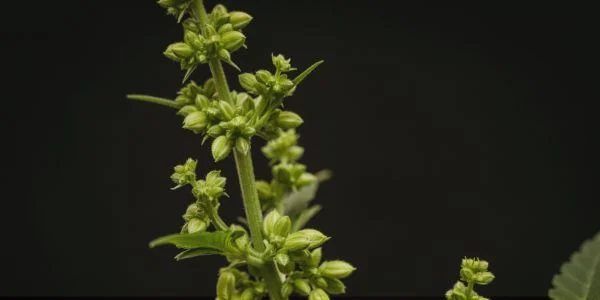
The clearest sign of a male plant are the developing pollen sacs. Look for small, mostly greenish structures at the nodes that:
- look like tiny balls, eggs or mini bananas.
- often hang together in clusters or bunches.
- sit on a short stalk.
- have NO fine, white hairs (pistils).
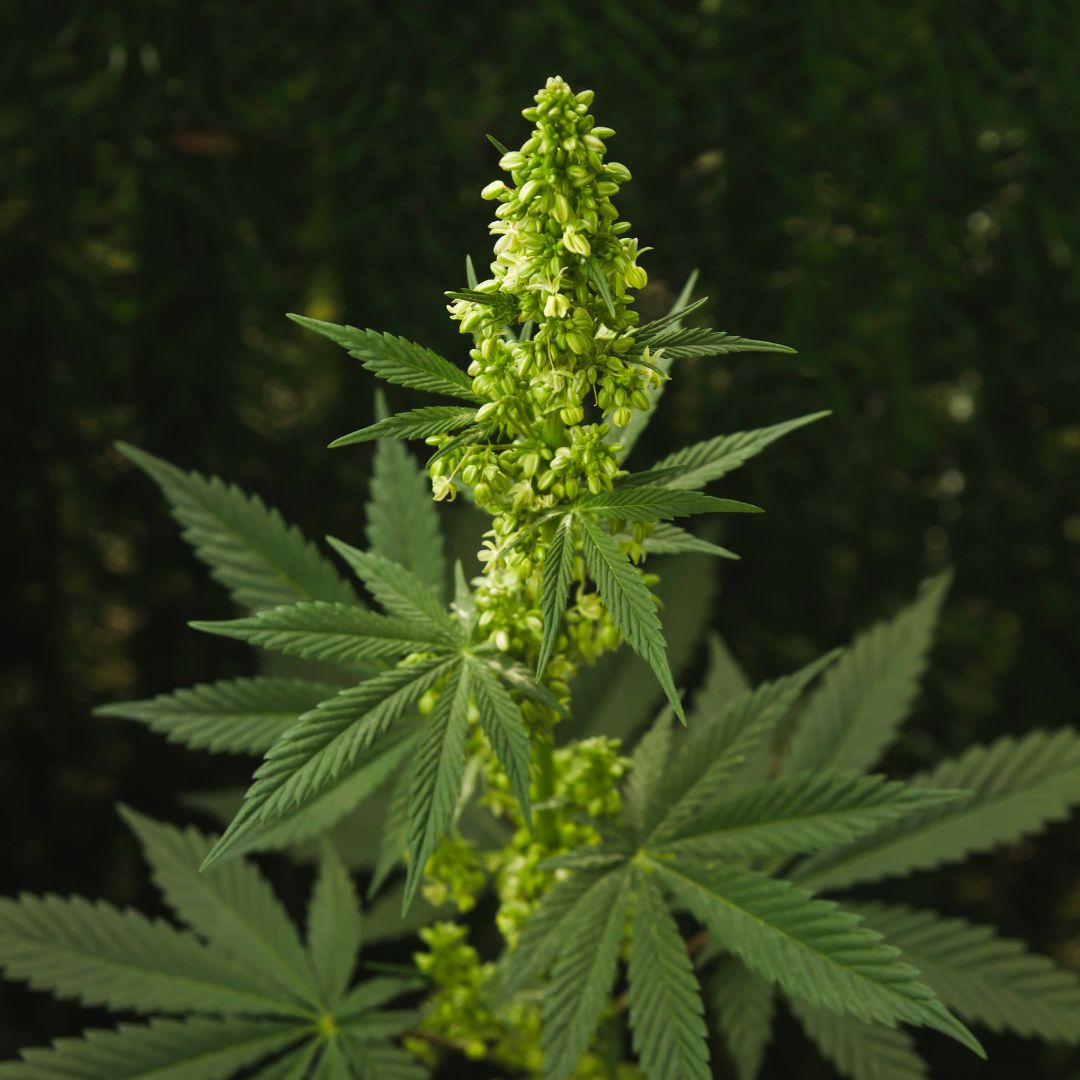
Once you spot these little sacs, you have your answer: it's a male. Since these sacs later burst open and release their pollen, you need to act fast if you don't want seeds.
The counterpart: traits of female plants (calyxes & pistils)
Female plants show completely different pre-flowers at the same spots (the nodes):
- They develop small, mostly teardrop- or calyx-shaped structures (the future flower calyxes).
- From the tip of this structure typically grow two fine, white or slightly cream-coloured hairs – the so-called pistils.

If you see these characteristic white hairs, you can breathe easy: you've got a female plant in front of you, one with the potential for resinous flowers.
Extra clues: growth shape, leaves & timing
Besides the definitive sex traits, there are a few *tendencies* that can help, though they're less reliable:
- Height: male plants often grow a bit faster and tend to get taller than females of the same strain, with wider gaps between the nodes.
- Build: they often look "lankier" and less bushy, with less leaf mass.
- Stem: the main stem is frequently thicker and sturdier in males.
- Flowering start: male plants often show their pre-flowers one to two weeks earlier than females.
But be careful: don't rely on these traits alone! Checking the pre-flowers (pollen sacs vs. pistils) is the only sure method of visual sexing.
| Trait | Male cannabis plant | Female cannabis plant |
|---|---|---|
| Pre-flower | Pollen sacs (balls/bananas) | Calyxes with white hairs |
| Hairs | None | Yes (2 white pistils) |
| Growth tendency | Taller, lankier, faster | More compact, bushier, slower |
| Leaf tendency | Fewer | More |
| Stem tendency | Thicker | Slimmer |
| Main use | Pollen (breeding), fibres, biomass | Flowers (cannabinoids, terpenes) |
Can you smoke male cannabis plants? (THC content & effect explained honestly)
One of the most common questions, especially from grow beginners: can't you just smoke the male plants anyway? And what about the THC content? Time for an honest answer.
THC & CBD in male plants: what's really in there
Yes, male cannabis plants do produce cannabinoids like THC and CBD too. So they aren't completely free of active compounds. BUT: the concentration of these compounds is usually far lower than in the potent, resinous flowers of female plants. The cannabinoids are found mainly in:
- the leaves (especially the smaller, upper leaves)
- the stems
- and, in small amounts, in the pollen sacs themselves.
Studies have shown the THC content of male leaves can sometimes be surprising, but it comes nowhere near that of high-quality female buds.
Smoking: taste, effect & whether it's worth it (spoiler: not really)
So can you smoke it? Technically, yes. But do you want to? Probably not. Smoking dried male plant parts (leaves, stems) is usually:
- ❌ Low in potency: don't expect a strong psychoactive effect like you get from female flowers. Often the effect is minimal to non-existent.
- ❌ Unpleasant in taste: male plant parts, especially leaves and stems, contain lots of chlorophyll and little resin, which makes for a harsh, bitter smoke often described as "grassy".
- ❌ Inefficient: you'd probably have to smoke a very large amount just to feel any mild effect at all.
💡 In short: smoking male cannabis plants is not recommended and offers no pleasant experience. Better to focus on the sensible uses instead!
Bin it? No way! 7 smart uses for your male plants
Okay, so smoking isn't a good idea. But simply throwing male plants away would be pure waste! They actually have a whole range of useful properties and applications, especially for you as a home grower.
1. Breeding & new strains: the male's most important role
This is the most obvious and biologically most important function: no male pollen, no seeds – and therefore no way to breed new strains or preserve existing ones (other than by cloning). So if you're toying with the idea of making your own crosses, a healthy, potent male plant is worth gold. Its genetics determine half the traits of the next generation!
2. Healthy alternatives: tea & juice from male hemp (THCA/CBDA)
The leaves and stems of male plants contain cannabinoid acids like THCA and CBDA, the precursors to THC and CBD. These are considered beneficial (antioxidant, anti-inflammatory) without being psychoactive. You can take the fresh (!) plant parts and:
- ✅ Juice them: put them (leaving out the thickest stems and largest leaves, which are bitter) into a juicer with other fruit/veg for a green smoothie boost.
- ✅ Brew them as tea: pour hot (not boiling!) water over dried leaves and small stems and let them steep.
3. Natural bodyguard: male hemp as pest protection in the garden
Male (and female) hemp plants produce aromatic terpenes like limonene and pinene. These not only smell good, they also act as a natural repellent against many pests (insects, nematodes) and can even inhibit the growth of some weeds. A male plant placed strategically in the vegetable bed or on the balcony (well away from flowering females, of course!) can serve as a natural "bodyguard" for your other plants.
4. More than just "trim": simple extracts like cannabutter?
Since male plants contain cannabinoids, you can in theory make extracts from them too, much like from female trim. One option is cannabutter:
- Break up leaves and thin stems (a sturdy grinder can make prep easier).
- Decarboxylate them (gently heat in the oven) to convert THCA into THC.
- Then let the material steep in melted butter at a low temperature for a good while.
- Filter out the plant residue.
⚠ But note: don't expect a high-potency butter! The effect will be mild. It's more for the experimentally minded or for using up the whole plant.
5. Circular economy: nutrient-rich compost & mulch
The simplest and most sustainable use: put the male plants (broken up) on your compost heap! They break down and deliver valuable nutrients for your garden soil. Alternatively, you can use the stems as mulch. That way the resources stored in the plant don't go to waste.
6. Soft fibres: the traditional use for textiles & co. (brief overview)
Historically and industrially, hemp is of course an important fibre plant. Male hemp fibres are considered especially soft and fine and were traditionally used for higher-quality textiles (tablecloths, bed linen), while female fibres served more robust purposes (ropes, sailcloth). For the home grower, though, this is usually less relevant.
7. Historical & ritual: bhang & co. (a little aside)
For the sake of completeness: in some cultures, especially in India, male plant parts (together with female ones) are traditionally used for ritual drinks like "bhang", a kind of spiced milk-and-cannabis mixture.
💡 To sum up: male plants are all-rounders! Use them for breeding, healthy teas/juices, natural pest control, mild extracts or simply as compost.
Watch out, hermies! When a plant shows both sexes
Sometimes a plant develops both male pollen sacs and female pistils. Such plants are called hermaphrodites ("hermies"). This can happen when a plant (usually a female) is put under severe stress:
- ❌ Irregular light cycle (light leaks during the dark period!)
- ❌ Extreme temperatures (too hot, too cold)
- ❌ Nutrient deficiency or excess
- ❌ Physical damage
Hermies are a problem because they can pollinate themselves and other female plants, which leads to a seedy and less potent harvest. If you spot a hermie, you should likewise remove it carefully, or at least pluck off the male pollen sacs before they open.
Male plants & legal home growing: why this knowledge is worth gold now
As private home cultivation becomes legal in more and more countries, knowing about male plants matters more than ever:
- ⚠ Limited plant count: most laws that allow home growing cap the number of plants you may grow. A male plant you don't catch in time takes the spot of a potential flower producer.
- ⚠ Pollination risk: a single undetected male can seed your entire (small) permitted harvest and ruin its quality.
- ⚠ Legal classification: does a male plant count toward the permitted total? In most places, very likely yes. Home-growing laws usually speak of "cannabis plants" in general. Even if it bears no potent flowers, botanically it's a cannabis plant and falls under the rules. So remove it in good time to stay within the legal limit!
Important note: how exactly home-growing rules are interpreted and enforced differs from country to country and keeps evolving. Always check the most up-to-date local rules where you live. This is not legal advice.
💡 Tip for home growers: spotting and removing male plants early is crucial to make the most of your permitted plant count and to prevent unwanted pollination of your female harvest.
Frequently asked questions about male cannabis plants (FAQ)
Here are answers to a few questions that keep coming up:
When at the latest should I remove male plants to prevent pollination?
Answer: as fast as possible once you've reliably identified them as male! The pollen sacs can develop and open quickly. Don't wait until they're large.
Can I collect male pollen and store it for later? If so, how?
Answer: yes, you can. Collect the pollen carefully (e.g. over a sheet of paper) when the sacs open. Dry it well and store it in a small, airtight container with a little desiccant (e.g. rice grains or silica gel) in the fridge or freezer. That way it stays viable for several months to years.
Do male plants count toward the permitted number of cannabis plants?
Answer: where home growing is legal, usually yes. Laws typically don't distinguish by sex but speak of "cannabis plants". A male plant is a cannabis plant and so (as things stand) counts toward the permitted amount. Check your local rules.
Can you tell the sex from the seed already?
Answer: no, unfortunately that's not possible. The sex only becomes visible during growth through the development of the pre-flowers. The only exception: feminized seeds (which we don't stock), which produce (almost) exclusively female plants.
What do I do if I discover a hermie?
Answer: best to remove it carefully and completely from your grow area to prevent pollination. If it's only a few pollen sacs, you can try to remove them gently with tweezers (spray the plant with water first to minimize pollen release), but that's risky.
Conclusion: give the guy a chance! Male cannabis is worth more than you think
The male cannabis plant is far more than a potential troublemaker. It's essential for breeding, delivers interesting compounds for teas or juices, can protect your other garden plants, and its biomass is a valuable source of nutrients. Even if it's no good for the classic smoking experience, it deserves respect and a sensible use rather than a quick trip to the bin.
Learn to identify it reliably, use its potential and make informed decisions for your grow – especially now that legal home growing is opening up new possibilities in more and more countries.
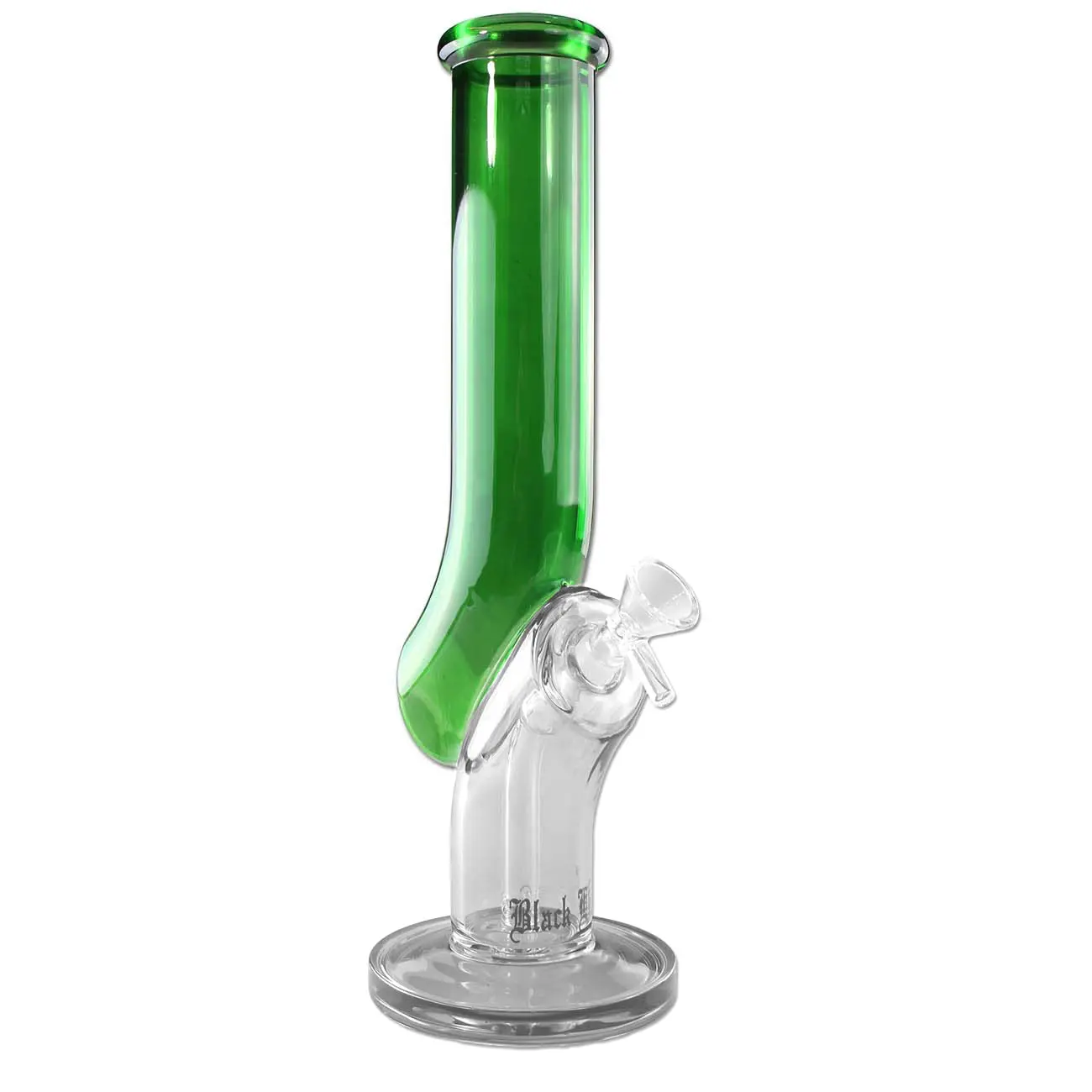
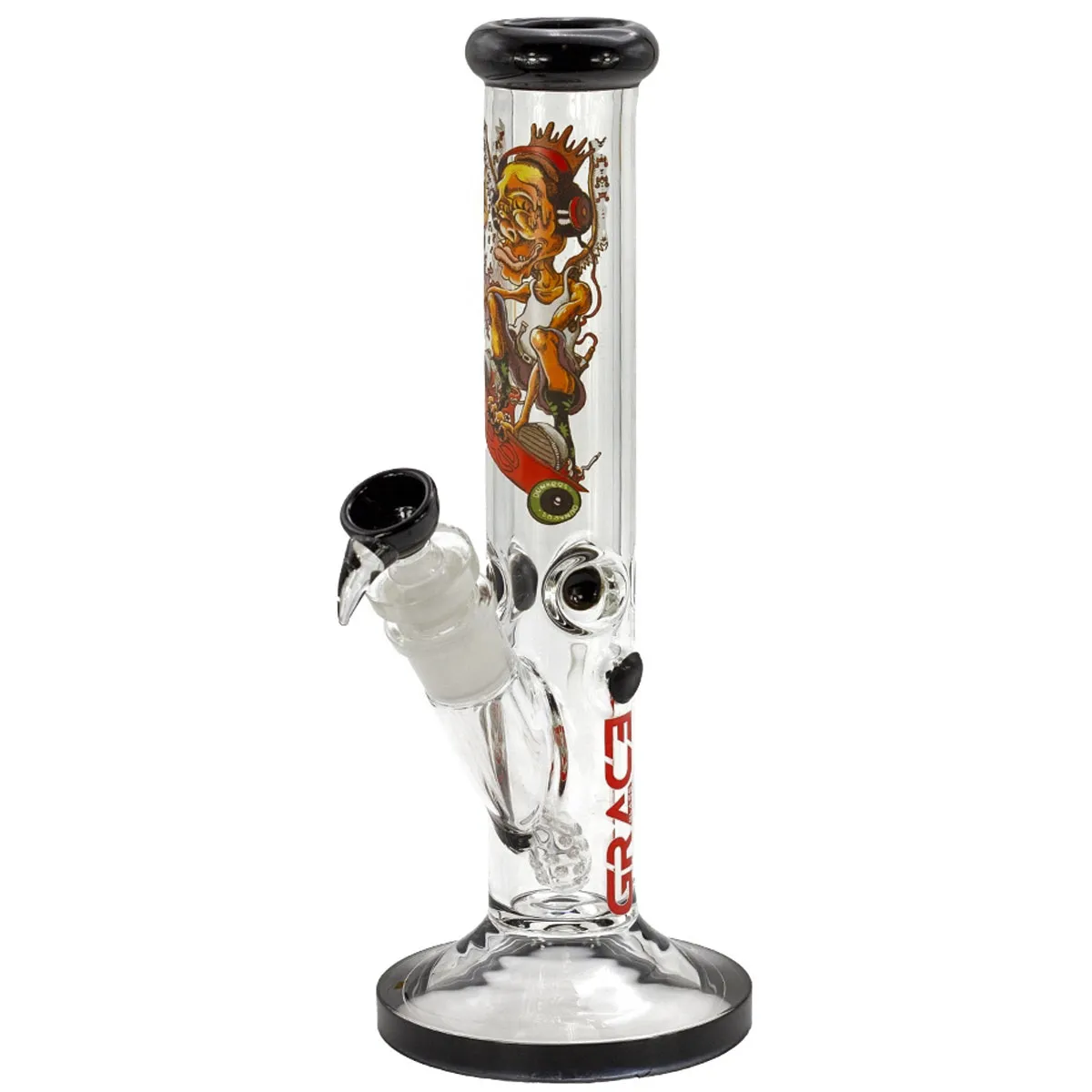
What are your experiences with male plants? Got any more tips on using them? Share your thoughts in the comments! And now that you know what to do with the male plants (or not), you'll find everything you need with us for the perfect enjoyment of your female harvest: from quality grinders and the best papers to stylish bongs and all the other headshop accessories your heart could desire.

Kann man männliche Hanfpflanzen rauchen? (THC-Gehalt & Wirkung ehrlich erklärt)
Eine der häufigsten Fragen, besonders von Grow-Anfängern: Kann man die männlichen Pflanzen nicht einfach trotzdem rauchen? Und wie sieht es mit dem THC-Gehalt aus? Zeit für eine ehrliche Antwort.
THC & CBD in männlichen Pflanzen: Was wirklich drin ist
Ja, auch männliche Cannabispflanzen produzieren Cannabinoide wie THC und CBD. Sie sind also nicht komplett wirkstofffrei. ABER: Die Konzentration dieser Wirkstoffe ist in der Regel deutlich geringer als in den potenten, harzigen Blüten weiblicher Pflanzen. Die Cannabinoide finden sich hauptsächlich in:
- den Blättern (insbesondere den kleineren, oberen Blättern)
- den Stängeln
- und in geringen Mengen auch in den Pollensäcken selbst.
Studien haben zwar gezeigt, dass der THC-Gehalt männlicher Blätter manchmal erstaunlich sein kann, er reicht aber bei weitem nicht an den von hochwertigen weiblichen Buds heran.
Rauchen: Geschmack, Wirkung & ob es sich lohnt (Spoiler: Eher nicht)
Kann man es also rauchen? Technisch gesehen, ja. Aber willst du das? Wahrscheinlich nicht. Das Rauchen von getrockneten männlichen Pflanzenteilen (Blätter, Stängel) ist meistens:
- ❌ Wenig potent: Erwarte keine starke psychoaktive Wirkung, wie du sie von weiblichen Blüten kennst. Oft ist der Effekt minimal bis gar nicht spürbar.
- ❌ Unangenehm im Geschmack: Männliche Pflanzenteile, besonders Blätter und Stängel, enthalten viel Chlorophyll und wenig Harz, was zu einem kratzigen, bitteren und oft als "grasig" beschriebenen Rauch führt.
- ❌ Ineffizient: Du müsstest vermutlich eine sehr große Menge rauchen, um überhaupt einen leichten Effekt zu erzielen.
💡 Kurz gesagt: Das Rauchen männlicher Hanfpflanzen ist nicht empfehlenswert und bietet kein angenehmes Erlebnis. Konzentriere dich lieber auf die sinnvollen Nutzungsmöglichkeiten!
Wegwerfen? Auf keinen Fall! 7 Sinnvolle Verwendungen für deine männlichen Pflanzen
Okay, rauchen ist also keine gute Idee. Aber männliche Pflanzen einfach wegzuwerfen, wäre pure Verschwendung! Sie haben tatsächlich eine ganze Reihe nützlicher Eigenschaften und Anwendungen, gerade auch für dich als Homegrower.
1. Zucht & neue Sorten: Die wichtigste Rolle des Männchens
Das ist die offensichtlichste und biologisch wichtigste Funktion: Ohne männlichen Pollen keine Samen und damit keine Möglichkeit, neue Sorten zu züchten oder bestehende zu erhalten (außer durch Klonen). Wenn du also mit dem Gedanken spielst, eigene Kreuzungen zu machen, ist eine gesunde, potente männliche Pflanze Gold wert. Ihr Erbgut bestimmt die Hälfte der Eigenschaften der nächsten Generation!
2. Gesunde Alternativen: Tee & Saft aus männlichem Hanf (THCA/CBDA)
Die Blätter und Stängel männlicher Pflanzen enthalten Cannabinoidsäuren wie THCA und CBDA, die Vorstufen von THC und CBD. Diese gelten als gesundheitsfördernd (antioxidativ, entzündungshemmend), ohne psychoaktiv zu wirken. Du kannst die frischen (!) Pflanzenteile:
- ✅ Entsaften: Gib sie (ohne die dicksten Stängel und größten Blätter wegen Bitterstoffen) mit anderem Obst/Gemüse in einen Entsafter für einen grünen Smoothie-Boost.
- ✅ Als Tee aufgießen: Getrocknete Blätter und kleine Stängel mit heißem (nicht kochendem!) Wasser übergießen und ziehen lassen.
3. Natürlicher Bodyguard: Männlicher Hanf als Schädlingsschutz im Garten
Männliche (und weibliche) Hanfpflanzen produzieren aromatische Terpene wie Limonen und Pinen. Diese riechen nicht nur gut, sie wirken auch als natürliches Abwehrmittel gegen viele Schädlinge (Insekten, Nematoden) und können sogar das Wachstum einiger Unkräuter hemmen. Eine männliche Pflanze strategisch im Gemüsebeet oder auf dem Balkon platziert (natürlich weit weg von blühenden Weibchen!) kann als natürlicher "Bodyguard" für deine anderen Pflanzen dienen.
4. Mehr als nur "Trim": Einfache Extrakte wie Cannabutter?
Da männliche Pflanzen Cannabinoide enthalten, kannst du theoretisch auch Extrakte daraus herstellen, ähnlich wie aus weiblichem Schnittmaterial ("Trim"). Eine Möglichkeit ist Cannabutter:
- Zerkleinere Blätter und dünne Stängel (ein robuster Grinder kann die Vorbereitung erleichtern).
- Decarboxyliere sie (vorsichtig im Ofen erhitzen), um THCA in THC umzuwandeln.
- Lasse das Material dann für längere Zeit in geschmolzener Butter bei niedriger Temperatur ziehen.
- Filtere die Pflanzenreste ab.
⚠️ Aber Achtung: Erwarte keine hochpotente Butter! Der Effekt wird mild sein. Eignet sich eher für Experimentierfreudige oder zur Nutzung des gesamten Pflanzenmaterials.
5. Kreislaufwirtschaft: Nährstoffreicher Kompost & Mulch
Die einfachste und nachhaltigste Verwertung: Gib die männlichen Pflanzen (zerkleinert) auf deinen Komposthaufen! Sie zersetzen sich und liefern wertvolle Nährstoffe für deinen Gartenboden. Alternativ kannst du die Stängel als Mulchmaterial verwenden. So gehen die in der Pflanze gespeicherten Ressourcen nicht verloren.
6. Weiche Fasern: Der traditionelle Nutzen für Textilien & Co. (Kurzüberblick)
Historisch und industriell ist Hanf natürlich eine wichtige Faserpflanze. Männliche Hanffasern gelten als besonders weich und fein und wurden traditionell für hochwertigere Textilien (Tischdecken, Bettwäsche) verwendet, während weibliche Fasern eher für robustere Zwecke (Seile, Segeltuch) dienten. Für den Homegrower ist das aber meist weniger relevant.
7. Historisch & Rituell: Bhang & Co. (Ein kleiner Exkurs)
Nur der Vollständigkeit halber: In einigen Kulturen, besonders in Indien, werden auch männliche Pflanzenteile (zusammen mit weiblichen) traditionell für rituelle Getränke wie "Bhang" verwendet, eine Art gewürzte Milch-Cannabis-Mischung.
💡 Zusammengefasst: Männliche Pflanzen sind Alleskönner! Nutze sie für Zucht, gesunde Tees/Säfte, natürlichen Pflanzenschutz, milde Extrakte oder einfach als Kompost.
Achtung, Zwitter! Wenn eine Pflanze beide Geschlechter zeigt
Manchmal passiert es, dass eine Pflanze sowohl männliche Pollensäcke als auch weibliche Blütenstempel entwickelt. Solche Pflanzen nennt man Zwitter oder Hermaphroditen ("Hermies"). Das kann passieren, wenn eine Pflanze (meist eine weibliche) unter starken Stress gerät:
- ❌ Unregelmäßiger Lichtzyklus (Lichtlecks in der Dunkelphase!)
- ❌ Extreme Temperaturen (zu heiß, zu kalt)
- ❌ Nährstoffmangel oder -überfluss
- ❌ Physischer Schaden
Zwitter sind problematisch, weil sie sich selbst und andere weibliche Pflanzen bestäuben können, was zu einer samenreichen und weniger potenten Ernte führt. Entdeckst du einen Zwitter, solltest du ihn ebenfalls vorsichtig entfernen oder zumindest die männlichen Pollensäcke abzupfen, bevor sie sich öffnen.
Männliche Pflanzen & das CanG: Warum dieses Wissen jetzt Gold wert ist
Mit der Legalisierung des privaten Anbaus durch das Cannabisgesetz (CanG) in Deutschland ist das Wissen über männliche Pflanzen wichtiger denn je:
- ⚠️ Begrenzte Pflanzenzahl: Du darfst nur eine bestimmte Anzahl Pflanzen anbauen. Eine männliche Pflanze, die du nicht rechtzeitig erkennst, nimmt einer potenziellen Blütenproduzentin den Platz weg.
- ⚠️ Bestäubungsrisiko: Ein einziges unentdecktes Männchen kann deine gesamte (kleine) erlaubte Ernte mit Samen durchsetzen und die Qualität ruinieren.
- ⚠️ Rechtliche Einordnung: Zählt eine männliche Pflanze zur erlaubten Gesamtanzahl? Ja, höchstwahrscheinlich. Das CanG spricht allgemein von "Cannabispflanzen". Auch wenn sie keine potenten Blüten tragen, sind es botanisch gesehen Cannabispflanzen und fallen somit unter die Regelung. Entferne sie also rechtzeitig, um im legalen Rahmen zu bleiben!
Wichtiger Hinweis: Die genaue Auslegung und Kontrolle des CanG entwickelt sich noch. Informiere dich immer über die aktuellsten lokalen Bestimmungen. Dies ist keine Rechtsberatung.
💡 Tipp für CanG-Grower: Das frühzeitige Erkennen und Entfernen männlicher Pflanzen ist entscheidend, um deine erlaubte Pflanzenzahl optimal zu nutzen und eine ungewollte Bestäubung deiner weiblichen Ernte zu verhindern.
Häufige Fragen zu männlichen Hanfpflanzen (FAQ)
Hier noch Antworten auf ein paar Fragen, die immer wieder auftauchen:
Wann sollte ich männliche Pflanzen spätestens entfernen, um Bestäubung zu verhindern?
Antwort: So schnell wie möglich, nachdem du sie sicher als männlich identifiziert hast! Die Pollensäcke können sich schnell entwickeln und öffnen. Warte nicht, bis sie groß sind.
Kann ich männliche Pollen sammeln und für später aufbewahren? Wenn ja, wie?
Antwort: Ja, das geht. Sammele die Pollen vorsichtig (z.B. über einem Blatt Papier), wenn sich die Säcke öffnen. Trockne sie gut und bewahre sie in einem kleinen, luftdichten Behälter (wir empfehlen hier stets Tightvac Dosen mit etwas Trockenmittel (z.B. Reiskörner oder Silicagel) im Kühlschrank oder Gefrierschrank auf. So bleibt er einige Monate bis Jahre lebensfähig.
Zählen männliche Pflanzen zur erlaubten Anzahl an Cannabispflanzen laut CanG?
Antwort: Nach aktueller Einschätzung: Ja. Das Gesetz unterscheidet nicht nach Geschlecht, sondern spricht von "Cannabispflanzen". Eine männliche Pflanze ist eine Cannabispflanze und zählt somit (Stand jetzt) zur erlaubten Menge.
Kann man das Geschlecht schon am Samen erkennen?
Antwort: Nein, das ist leider nicht möglich. Das Geschlecht wird erst während des Wachstums durch die Entwicklung der Vorblüten sichtbar. Einzige Ausnahme: Feminisierte Samen (die wir nicht führen), die (fast) ausschließlich weibliche Pflanzen hervorbringen.
Was mache ich, wenn ich einen Zwitter entdecke?
Antwort: Entferne ihn am besten vorsichtig und komplett aus deinem Grow-Bereich, um eine Bestäubung zu verhindern. Wenn es nur wenige Pollensäcke sind, kannst du versuchen, diese vorsichtig mit einer Pinzette zu entfernen (Pflanze vorher mit Wasser besprühen, um Pollenflug zu minimieren), aber das ist riskant.
Fazit: Gib dem Kerl eine Chance! Männlicher Hanf ist wertvoller als du denkst
Die männliche Hanfpflanze ist weit mehr als nur ein potenzieller Störenfried. Sie ist essenziell für die Zucht, liefert interessante Inhaltsstoffe für Tees oder Säfte, kann deine anderen Gartenpflanzen schützen und ihre Biomasse ist ein wertvoller Nährstofflieferant. Auch wenn sie für das klassische Raucherlebnis nicht taugt, verdient sie Respekt und eine sinnvolle Verwertung statt der schnellen Entsorgung.
Lerne, sie sicher zu erkennen, nutze ihr Potenzial und triff informierte Entscheidungen für deinen Grow – besonders jetzt, wo der legale Anbau in Deutschland neue Möglichkeiten eröffnet.
Was sind deine Erfahrungen mit männlichen Pflanzen? Hast du noch weitere Tipps zur Nutzung? Teile deine Gedanken in den Kommentaren! Und wenn du jetzt weißt, was du mit den männlichen Pflanzen anfängst (oder eben nicht), findest du bei uns alles für den perfekten Genuss deiner weiblichen Ernte: von hochwertigen Grindern über die besten Papers & Blättchen bis hin zu stylischen Bongs und allem weiteren Headshop Zubehör, das dein Herz begehrt.